 EN
 DE
 FR
 ES
 RU
 JA EN DE FR ES RU JA
In the heart of Europe’s high-tech corridor—stretching from the innovative hardware hubs of Adlershof and Siemensstadt Square to the clinical engineering research centers in Berlin-Buch—German electronic systems demand uncompromising precision, ergonomic tactile actuation, and strict EU regulatory compliance. As a certified custom silicone push button and membrane switch manufacturer established in 2003, Dongguan Ravo Electronics bridges Tier-1 Asian manufacturing capability with the rigorous functional tolerances mandated by Berlin engineering teams.
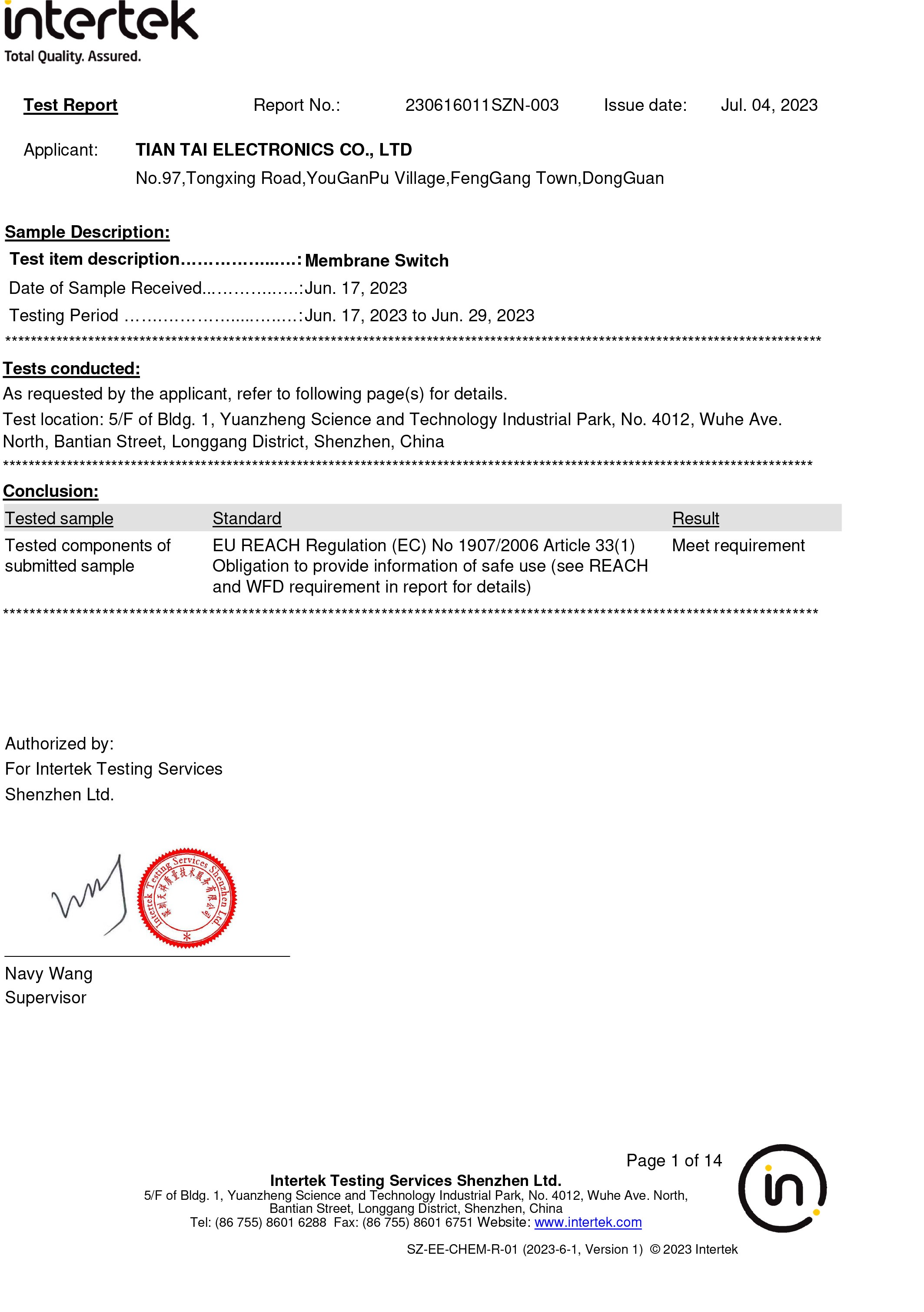
Technical Note on CE Declaration of Conformity (DoC): For industrial electronics deployed in the Berlin-Brandenburg metropolitan region, silicone push-button assemblies are engineered in accordance with the EU Low Voltage Directive (LVD) 2014/35/EU, Electromagnetic Compatibility (EMC) Directive 2014/30/EU, RoHS 2011/65/EU as amended by (EU) 2015/863, and REACH Regulation (EC) No 1907/2006. All raw silicone elastomers undergo independent laboratory testing to verify non-toxicity, zero halogen outgassing, and flammability compliance according to UL 94-V0 and DIN EN 60695 standards.
Explore our core custom elastomeric switch assemblies, precision graphic overlays, and hybrid silicone-membrane integration units currently supplied to European OEMs.
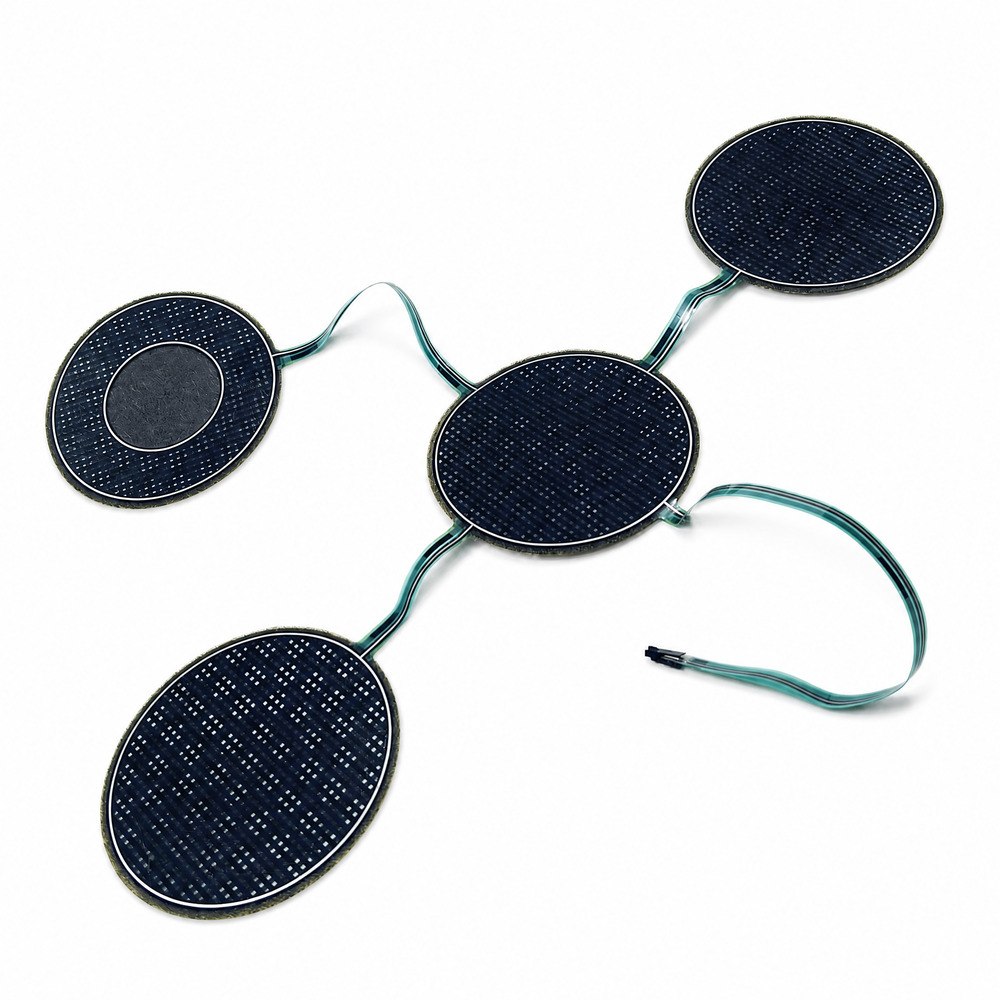
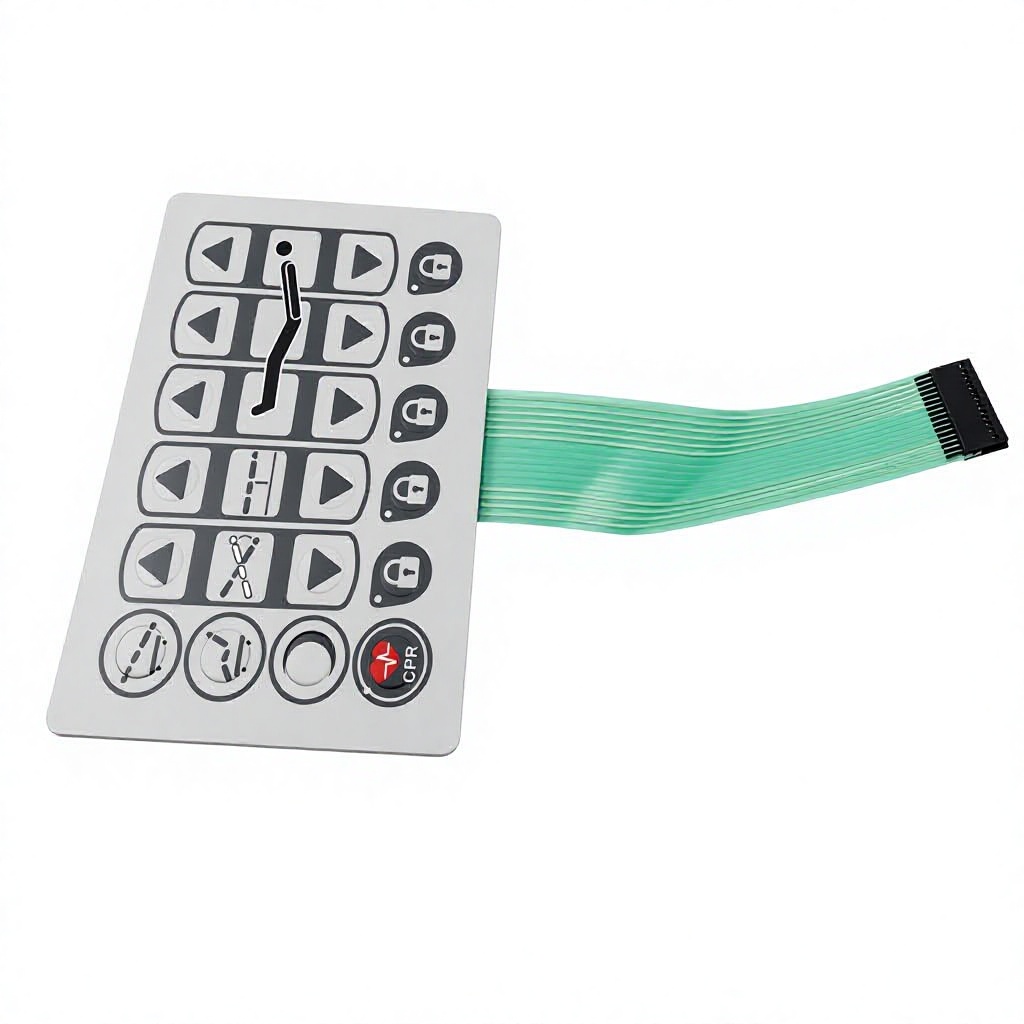
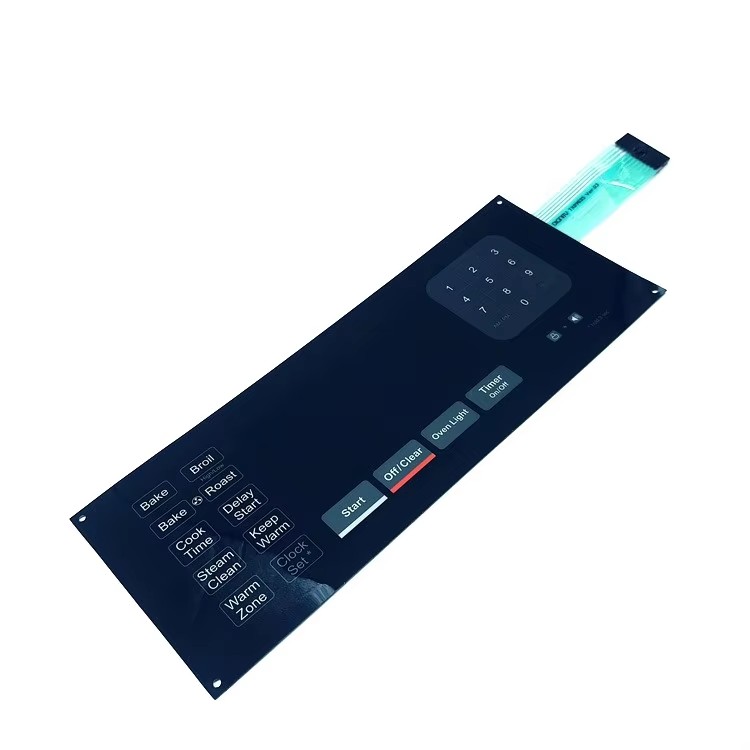
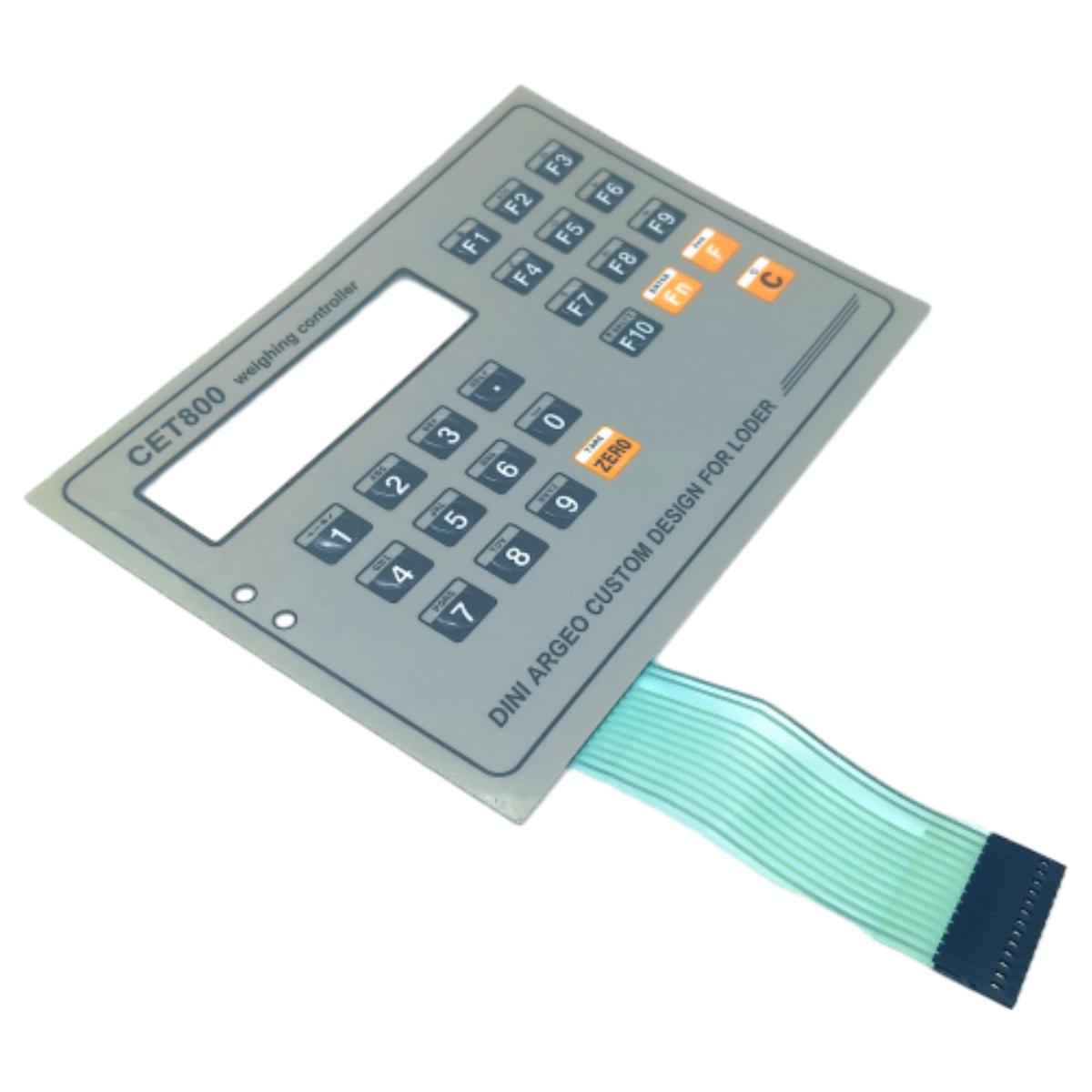
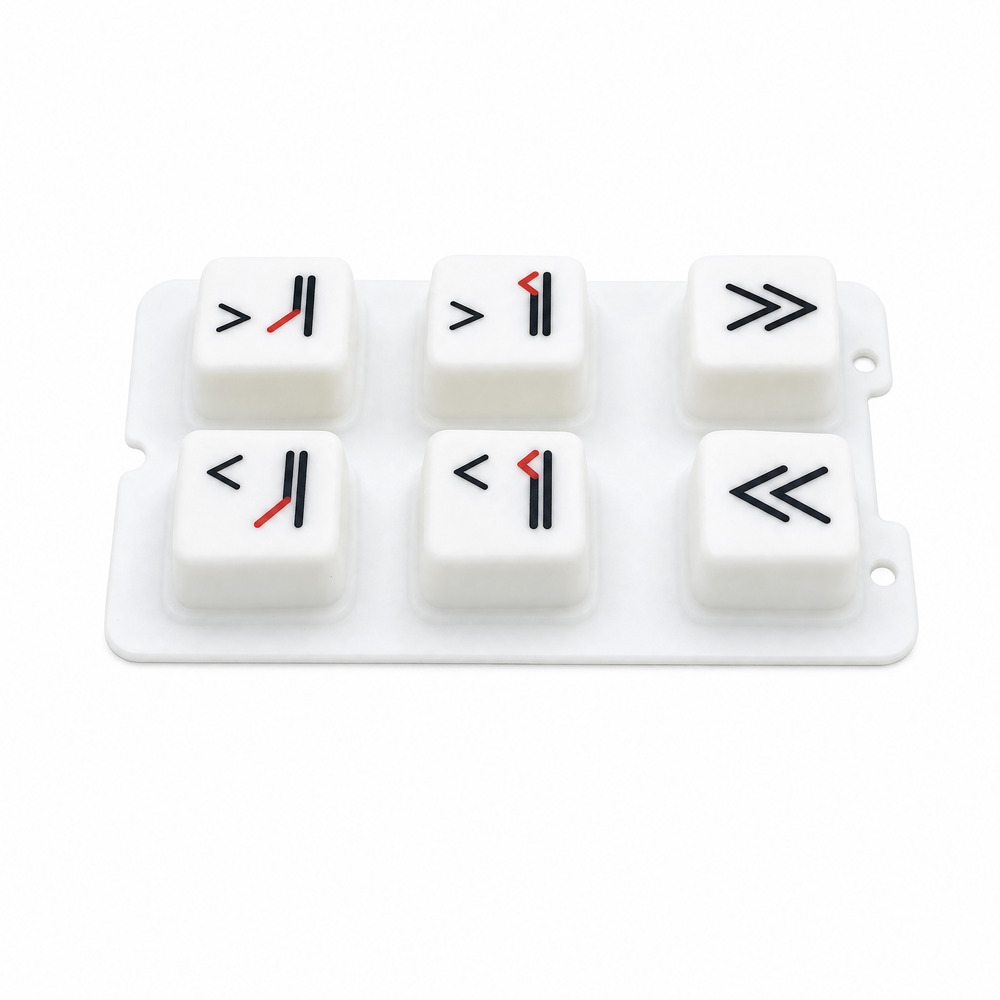
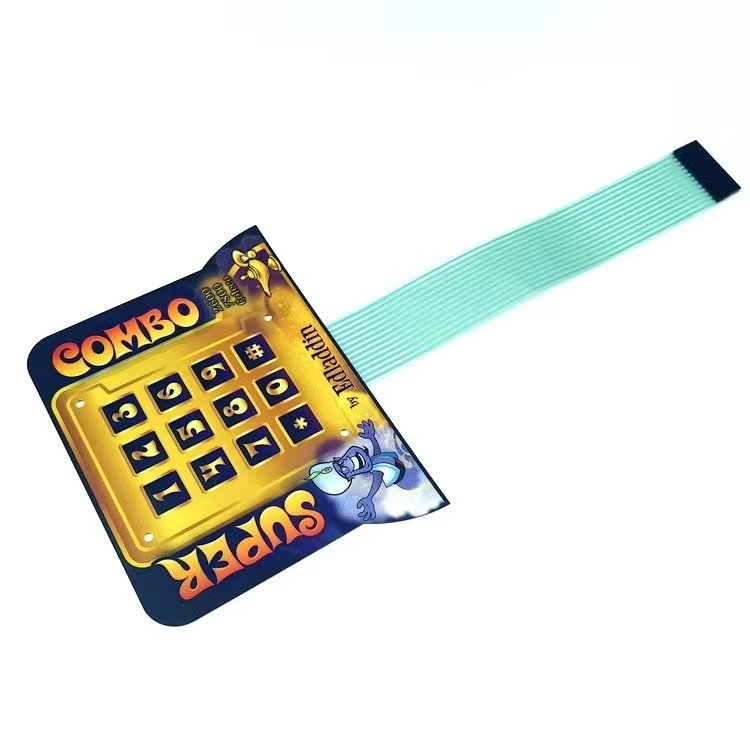
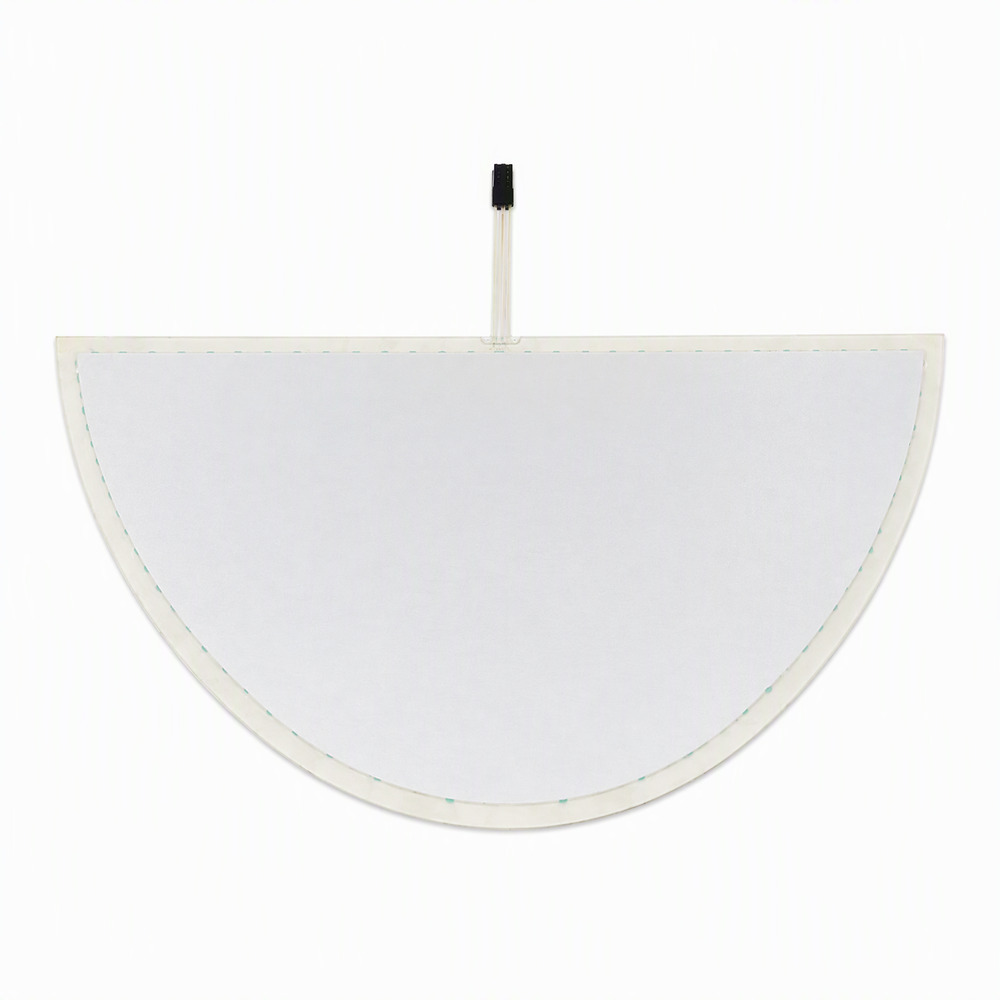
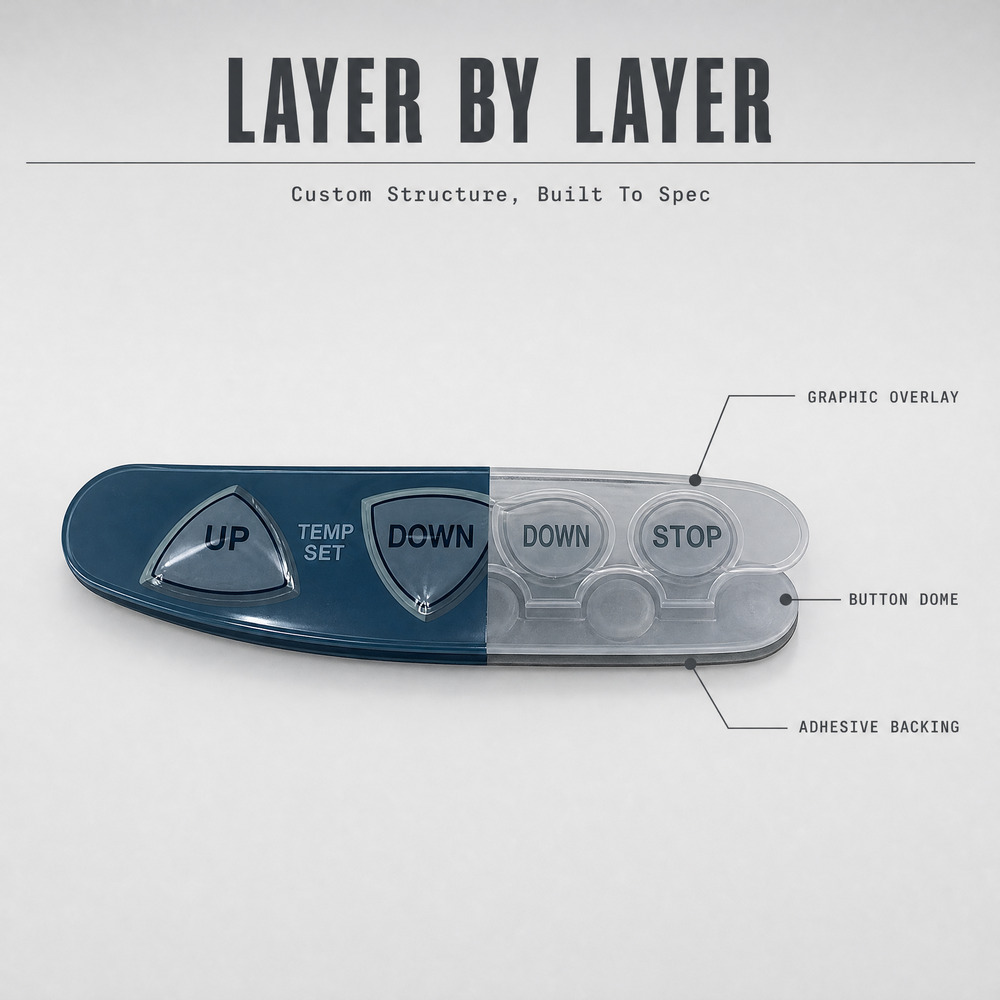
A superior tactile push-button switch relies on precise mechanical geometry and elastomer material science. Our engineering staff calculates key travel, actuation force, and return velocity using rigorous force-displacement curves.
The tactile feeling of an elastomeric push button is quantified by its Snap Ratio: Snap Ratio (%) = (Actuation Force (Fa) - Contact Force (Fc)) / Fa × 100.
For German medical and industrial equipment, our factory tunes the snap ratio between 45% and 60%, guaranteeing clear tactile verification for operators wearing thick nitrile or safety gloves.
Our tooling supports precision co-molded conductive carbon pills, low-resistance gold-plated copper discs, or non-conductive mechanical actuators configured over metal domes on FPC/PCB substrates.
Standard conductive carbon pills maintain contact resistance below 100 Ω, while specialized gold-contact pills achieve ultra-low resistance <0.5 Ω for sensitive logic circuits.
To support high-contrast nighttime and darkroom operations in Berlin hospitals and factory floors, we provide translucent silicone bases coated with opaque base pigments followed by UV-cured topcoats.
Ultra-fine fiber-laser etching ablates topcoat pigments with micron accuracy, allowing uniform LED light dispersion with zero light leakage.
Compare mechanical, electrical, and environmental criteria to choose the appropriate interface build for your industrial device.
| Performance Dimension | Molded Silicone Push Buttons | Tactile Metal Dome Membrane Keypad | Rigid PCB-Backed Switch Module |
|---|---|---|---|
| Actuation Force Range | 50 g to 500 g (Fully customizable via web angle) | 160 g to 500 g (Fixed dome geometry) | 180 g to 600 g (Mechanical dome + SMT switch) |
| Travel Distance | 0.8 mm – 3.0 mm (Long, ergonomic travel) | 0.3 mm – 0.6 mm (Short tactile click) | 0.4 mm – 1.5 mm (Hybrid assembly) |
| Contact Life Expectancy | > 1,000,000 cycles (DIN 42115 tested) | > 1,000,000 cycles | > 3,000,000 cycles |
| Ingress Protection (Sealing) | IP67 / IP68 (Continuous elastomeric gasket ring) | IP65 / IP67 (Perimeter adhesive perimeter seal) | IP65 to IP68 (O-ring enclosure integration) |
| Operating Temperature | -40°C to +200°C (High thermal resilience) | -20°C to +70°C (Limited by adhesive/PET film) | -40°C to +85°C (Automotive/Industrial grade) |
| Contact Resistance | <100 Ω (Carbon pill); <0.5 Ω (Gold pill) | <10 Ω (Silver ink); <1 Ω (Gold plated dome) | <0.1 Ω (Direct copper PCB trace) |
| Backlighting Methods | Laser etched legends + internal Light Guide Film | SMD surface-mounted LEDs + dead-front printing | Integrated RGB multi-color SMD LEDs |
| Surface Finishing Options | Polyurethane (PU), Silicone oil coating, Epoxy drip | Matte velvet, Gloss, Selective anti-glare texture | Conformal coating, Hard-coat polyester front |
The Berlin metropolitan region is a driving hub for European deep tech, MedTech diagnostics, and decentralized smart infrastructure. Our CE-certified elastomeric panels serve critical functions across key German industries.
Clinical Disinfection & Bio-Compatibility: In intensive care units, dialysis equipment, and surgical operating tables across German clinics, interfaces undergo strict sanitization with aggressive agents including isopropyl alcohol, Bacillol, and Sterillium. Our medical-grade silicone keypads feature seamless perimeter gasket lips preventing fluid intrusion into internal circuitry.
Formulated with medical-grade, non-cytotoxic silicone rubber complying with ISO 10993 biosecurity standards, keys remain supple without cracking or yellowing during chemical exposure.
Rugged Machine Controls & Robotics: Industrial automation panels installed in Berlin-Spandau factories demand rugged interfaces resistant to metal dust, cutting lubricants, and high mechanical shock. Our silicone push button panels withstand vibrational harmonics and feature high-stroke positive tactile feedback.
Integrated with ESD shielding foils, these switch matrices protect internal logic boards against electro-static discharges up to 15 kV in accordance with IEC 61000-4-2.
All-Weather German Climate Durability: Public electric vehicle (EV) supply equipment (EVSE) deployed across Berlin city infrastructure faces freezing continental winters (-25°C), humid rain, and direct summer sunlight (+40°C). Conventional membrane stickers can curl or delaminate under these thermal cycles.
Our compression-molded silicone rubber matrices preserve elastic memory and tactile bounce across extreme thermal ranges from -40°C to +150°C, backed by UV-inhibiting additives that prevent color fade under solar radiation.
Tactile Expressiveness & Velvet-Touch Feel: Berlin is universally celebrated as the capital of electronic music instrument engineering. Leading synthesizer and audio interface designers require soft-landing, non-clicking, velvety-coated silicone push buttons for performance pad controllers.
Ravo develops custom damping webs and silent carbon contacts, combining smooth tactile damping with soft-feel polyurethane surface varnishes that deliver luxury haptic feedback for professional creators.
Berlin electronic designers face strict European regulatory mandates alongside increasing corporate ESG and circular economy demands.
Under the European Medical Device Regulation (EU MDR 2017/745), component traceability is vital. Ravo provides complete Certificates of Conformity (CoC), material technical data sheets (TDS), and full chemical disclosure to streamline medical device CE approval.
Our raw silicone gum formulations, screen printing inks, and adhesives are 100% compliant with Directive 2011/65/EU and 2015/863 (RoHS 3). We screen every raw material batch against the European Chemicals Agency (ECHA) SVHC candidate list for zero toxic phthalates.
German procurement managers require reliable logistics and clear Incoterms. We support DDP (Delivered Duty Paid) Berlin express freight arrangements via Frankfurt and Berlin Brandenburg (BER) logistics hubs, ensuring rapid transit with zero customs friction.
Combining 20+ years of dedicated interface manufacturing with direct engineer-to-engineer communication.
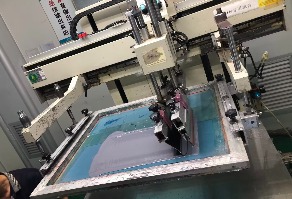
Unlike sourcing intermediaries, Ravo maintains in-house CNC tool machining, EDM discharge equipment, and liquid silicone rubber (LSR) injection tooling. We manufacture precision prototype steel and aluminum mold cavities in as few as 7 to 10 working days, allowing Berlin R&D labs to evaluate physical functional parts ahead of series production.
Prototyping orders start from just 1 to 10 pieces, giving startups and hardware incubators maximum financial agility during iterative validation phases.
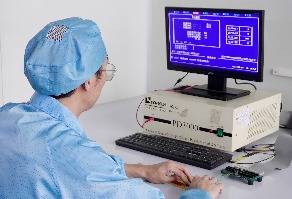
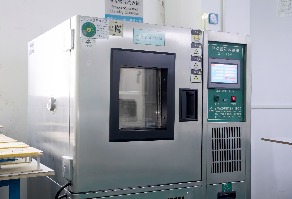
Every silicone push button array undergoes comprehensive dimensional and functional quality control before dispatch: optical key legend registration checks, laser keypad height scanning, 100% electrical insulation and continuity test loops, and automated cycle fatigue sampling up to 1,000,000 actuations.
Our average engineering response time is under 2 hours, guaranteeing immediate Design for Manufacturability (DFM) feedback on your 2D drawings and 3D CAD models.
Direct technical answers addressing lead times, compliance paperwork, custom tooling costs, and quality assurance.
Consult directly with our interface specialists. Receive comprehensive DFM analysis, 3D tooling feasibility feedback, and formal project quotations within two business hours.
