EN
 DE
 FR
 ES
 RU
 JA EN DE FR ES RU JA
In the rapidly evolving industrial ecosystem of Auckland and the greater North Island region—spanning marine electronics, medical devices, agritech automation, and heavy outdoor equipment—the human-machine interface (HMI) serves as a critical node of operational reliability. Devices deployed in New Zealand operate under unique, aggressive environmental stresses: high ultraviolet radiation indices, persistent salt-spray fog along maritime coasts, wide diurnal thermal shifts, and rigorous cleaning protocols in healthcare and food processing facilities.
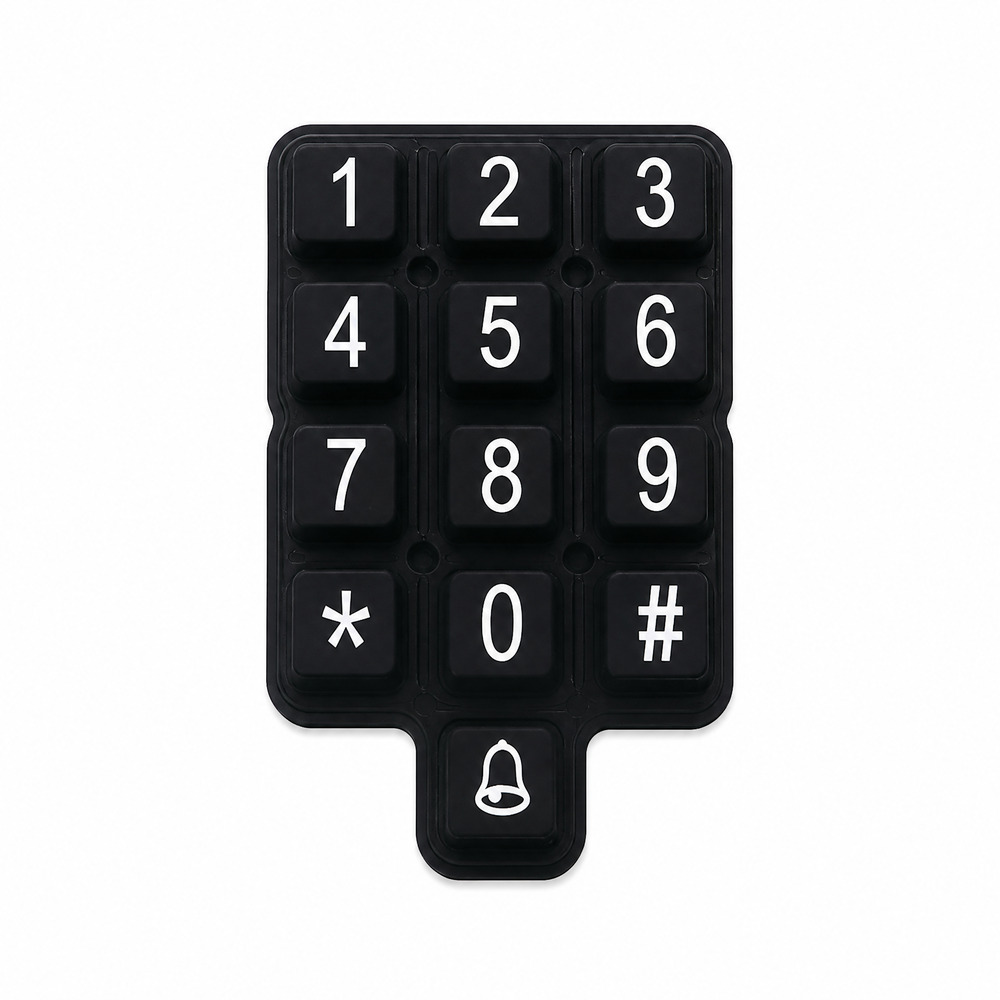
As a premier OEM/ODM manufacturer specializing in custom silicone button pads and integrated membrane switch assemblies, Dongguan Ravo Electronics Co., Ltd. delivers high-precision, CE-certified elastomer solutions tailored to these exact requirements. By combining advanced liquid silicone rubber (LSR) molding, solid compression silicone processing, laser-etched backlighting options, and proprietary chemical-resistant hard coatings, our technical team enables Auckland product designers to achieve optimal snap ratios, precise tactile feel, and multi-decade seal integrity up to IP68 rating.
Achieving an exceptional tactile feel requires meticulous engineering of the elastomeric web angle, wall thickness, key stroke travel, and Shore A hardness rating. Our engineering department utilizes finite element analysis (FEA) to simulate force-displacement behavior before tooling fabrication, ensuring the actuation feel matches exact customer specifications.
Snap ratio defines the tactile crispness of a rubber key: Snap Ratio = ((F1 - F2) / F1) × 100%, where F1 is peak actuation force and F2 is return force. We precisely tune snap ratios between 40% and 65% with peak forces ranging from 50g to 500g, catering to soft-touch medical controllers or high-resistance industrial equipment.
Choose between low-resistance molded carbon pills (<100 Ω), printed conductive carbon ink pads, gold-plated contacts, or tactile stainless steel metal domes placed beneath the silicone key stem. For severe outdoor or high-current designs, non-conductive key stems can directly actuate microswitches on rigid PCB substrates.
Protect key graphics against aggressive abrasion, oils, and solvents. We offer polyurethane (PU) clear varnish, epoxy cap doming for a premium glass-like aesthetic, soft-touch silicone oil coating, and laser-engraved translucent keytops with backlighting compatibility.
| Engineering Parameter | Standard Specification Range | High-Precision / Custom Capability | Compliance / Testing Standard |
|---|---|---|---|
| Elastomer Hardness | 30 to 70 Shore A | 20 to 80 Shore A (Dual-durometer molding) | ASTM D2240 |
| Actuation Force (F1) | 100g to 300g (±20g tolerance) | 30g to 600g (Precision ±10g) | ISO 37 / Internal FEA Curve |
| Key Travel Distance | 0.8mm to 2.0mm | 0.3mm to 3.5mm custom stroke | Direct Dial Gauge Measure |
| Snap Ratio Range | 35% to 55% | up to 65% crisp tactile switch | Force-Displacement Tester |
| Contact Resistance | Carbon Pill: <100 Ω | Gold Pill / Metal Dome: <1 Ω | MIL-STD-202 Method 307 |
| Life Expectancy | 1,000,000 actuations | >5,000,000 actuations (Silicone Grade dependent) | ASTM D3389 / Life Tester |
| Thermal Resistance | -40°C to +180°C operating | -60°C to +230°C (High-temp formulation) | IEC 60068-2-14 |
| Environmental Sealing | IP65 Perimeter Seal | IP67 / IP68 Fully Enclosed Molding | IEC 60529 / CE Mark |
As New Zealand’s primary commercial and industrial hub, Auckland houses specialized OEM equipment developers requiring strict compliance with local AS/NZS standards, European CE directives, and international IP sealing benchmarks. Our silicone button pad manufacturing process directly addresses the regional challenges faced by Auckland businesses:
Auckland’s world-renowned marine cluster demands electronic interfaces that withstand continuous saltwater immersion, salt fog, high UV radiation, and heavy vibration. We engineer silicone keypads featuring organosilicon UV-stabilizers, IP67 marine perimeter gaskets, and laser-etched backlight legends compatible with night-sailing chartplotters, bilge pump controllers, and autopilot consoles.
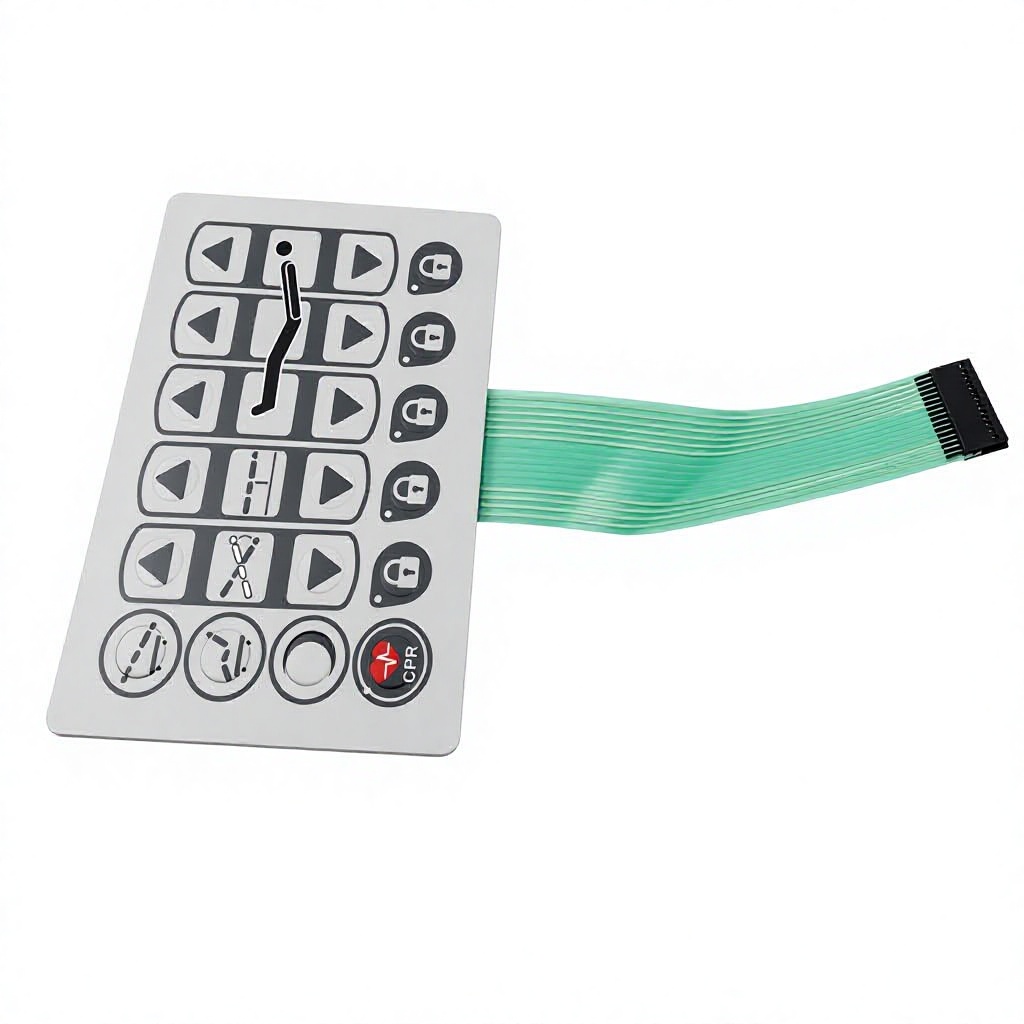
In alignment with Auckland’s biomedical innovation sector, our silicone keypads are manufactured using medical-grade, biocompatible silicone rubber compliant with ISO 10993 and FDA guidelines. Seamless, wipe-clean silicone surfaces resist aggressive hospital disinfectants (isopropyl alcohol, bleach solutions, hydrogen peroxide) for patient monitors, infusion pumps, and hospital bed controls.
New Zealand agritech relies on rugged field instruments—from handheld soil moisture testers to automated livestock sorting consoles and irrigation controllers. Our silicone button pads incorporate wide-temperature formulations (-40°C to +120°C) and dustproof/waterproof housings that perform flawlessly under muddy, high-humidity, and direct solar conditions.
For Auckland dairy and food processing plants, hygiene and clean-in-place (CIP) washdowns are mandatory. Our silicone control panels eliminate creviced buttons where bacteria accumulate, delivering smooth, antimicrobial-treated elastomeric covers that endure high-pressure water washdowns and chemical sterilizers.
The New Zealand technology landscape is experiencing three major transformations in interface design, driving procurement managers in Auckland away from traditional mechanical switches toward advanced silicone rubber assemblies:
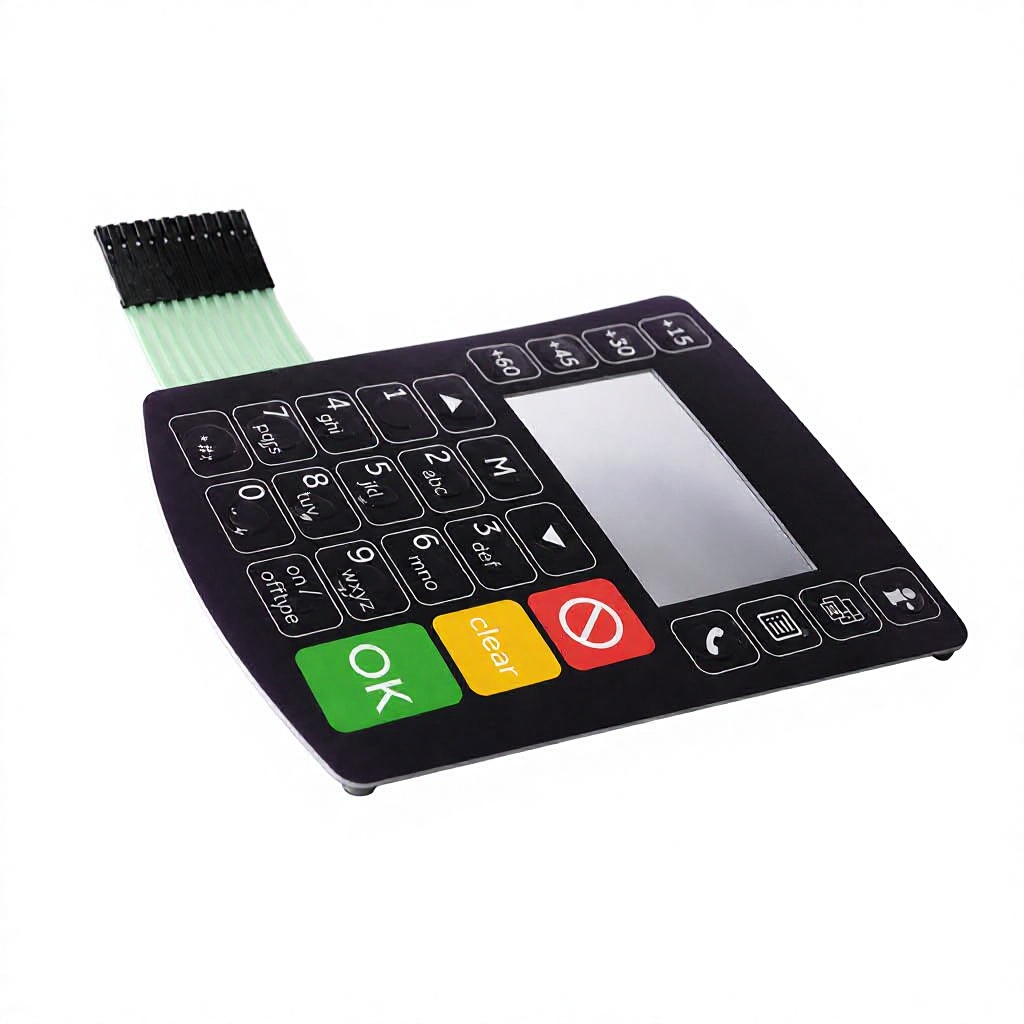
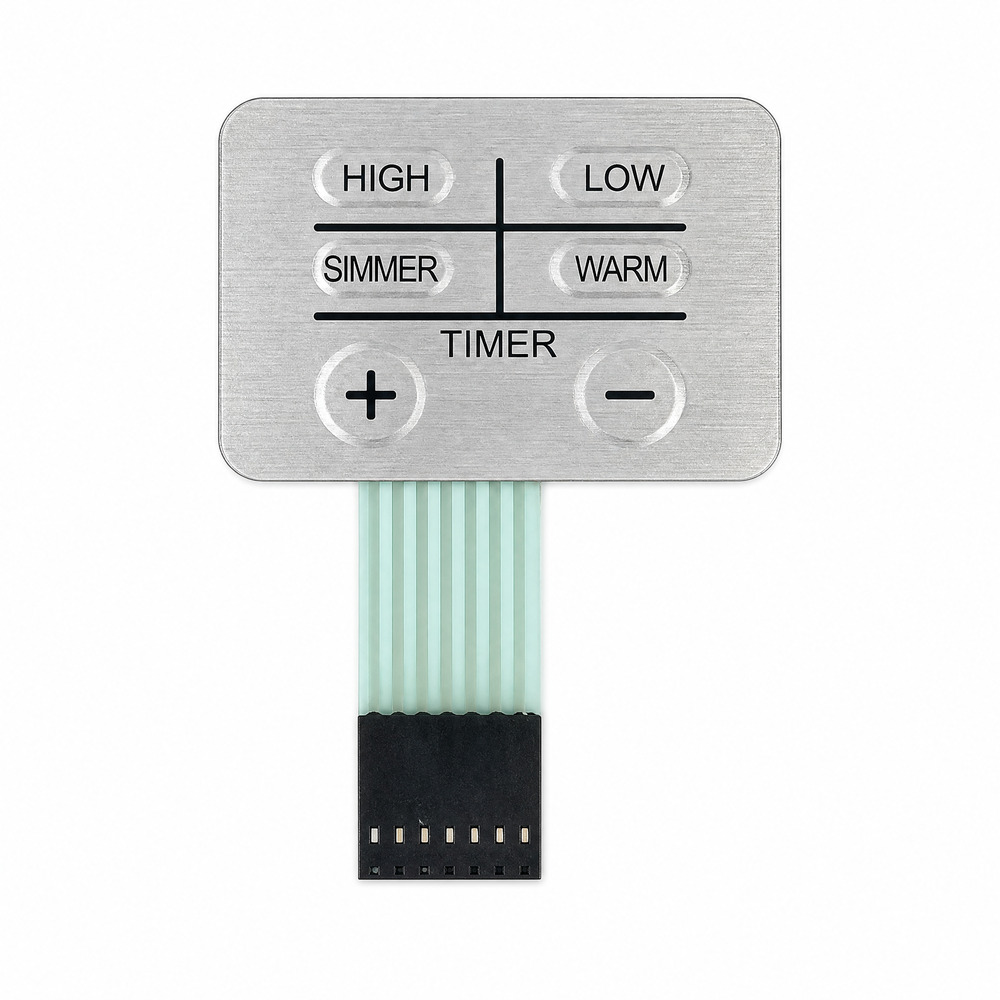
Founded in 2003, Dongguan Ravo Electronics Co., Ltd. has operated for over two decades as a vertically integrated manufacturer of custom membrane switches, graphic overlays, capacitive touch panels, thin-film pressure sensors, and precision silicone rubber keypads. Located in Fenggang Town, Dongguan—at the epicenter of global electronics manufacturing—our 12,000 m² facility bridges state-of-the-art engineering with cost-efficient volume production.
Our bilingual engineering desk provides Design for Manufacturability (DFM) feedback within ≤2 hours. We review 2D/3D CAD drawings (STEP, DXF, AI, PDF) to verify draft angles, wall thickness, web deflection ratios, and tooling feasibility before steel cutting.
With CNC machining, screen printing, compression molding presses, die-cutting, and laser-engraving stations under one roof, prototype runs can be delivered from 1 to 10 pieces in as fast as 7 to 10 working days, significantly accelerating your NPI phase.
Every batch undergoes strict quality control: incoming raw material inspection, color matching using Pantone X-Rite spectrophotometers, 100% electrical continuity and short testing, key force-displacement curve plotting, and life-cycle endurance testing.
Common technical questions asked by Auckland product engineers, supply chain managers, and hardware startups when sourcing custom silicone keypads and membrane panels from our factory:
Our factory operates under an ISO 9001 certified quality management system. All silicone button pads, inks, and adhesive layers fully comply with CE directives, EU RoHS 3 (Directive 2015/863), REACH SVHC, and FDA food-contact / medical biocompatibility standards (ISO 10993) upon request. Official certificate copies and material safety data sheets (MSDS) are provided with every order documentation package.
Waterproof sealing is achieved by molding a continuous perimeter sealing ring (gasket bead) directly into the bottom or sides of the silicone keypad matrix. When compressed between your device's top bezel and lower enclosure, this silicone bead forms a hermetic seal against moisture, dust, and salt fog. Additionally, we utilize waterproof 3M adhesives (such as 3M 467MP, 3M 468MP, or 3M VHB series) to bond silicone keypads to PCB or housing substrates.
To provide a quote within 2 hours, please provide:
1) 2D/3D CAD drawings (STEP, IGES, DXF, or PDF) detailing keypad dimensions, key height, and key travel.
2) Artwork file (AI or PDF) showing graphic legends and Pantone color codes.
3) Desired actuation force (e.g., 180g ± 20g) and contact resistance requirement (carbon pill vs. metal dome).
4) Surface finish requirement (PU coating, epoxy caps, laser etching, soft-touch spray).
5) Estimated prototype quantity and annual mass production volumes.
Yes. We regularly manufacture complete hybrid assemblies where the silicone button pad is pre-bonded to an FPC or rigid FR-4 PCB equipped with surface-mount (SMD) LEDs, resistors, and output connectors. This delivers a plug-and-play HMI module directly to your Auckland assembly line, reducing manual labor and sourcing complexity.
Tooling costs for custom silicone compression molds depend on key count and complexity, usually ranging from USD $350 to $1,200. Prototype fabrication takes 7 to 10 working days following drawing freeze. Express air shipping from Dongguan to Auckland via DHL, FedEx, or UPS typically takes 3 to 5 business days.
We support hardware innovators and low-volume, high-mix OEMs. Prototype runs can be placed from as few as 1 to 10 pieces. Mass production MOQs generally start at 100 to 500 units depending on size, material grade, and laser etching requirements.
Laser etching involves molding keypads from translucent silicone rubber, spray-coating the keytops with a light-colored coat (often white), and applying a dark topcoat (such as black or metallic grey). A precision CNC laser then burns away the top layer to reveal the underlying translucent legend. When placed over PCB-mounted LEDs, light passes strictly through the legend icons, providing sharp illumination with zero light bleed.
While flat polyester (PET) membrane switches excel in ultrathin, low-cost applications, silicone keypads provide superior 3D tactile ergonomic feel, greater impact resistance, higher flex fatigue durability (>5 million cycles), and deeper sealing channels. Silicone also withstands broader operating temperatures (-50°C to +200°C) without cracking or yellowing under high UV exposure.
Connect directly with our senior technical engineers for immediate DFM feedback, 3D stack-up validation, and competitive factory-direct quotation within 2 hours.
Contact Us