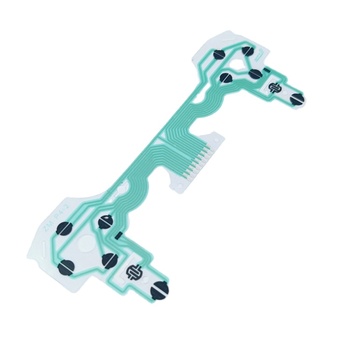
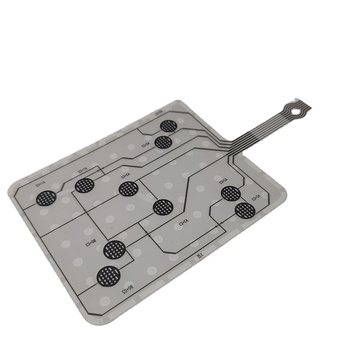
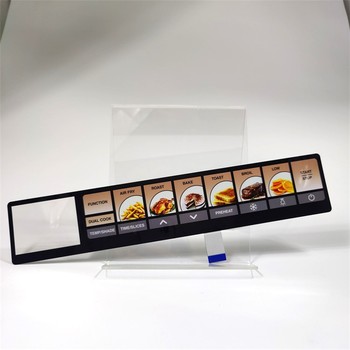
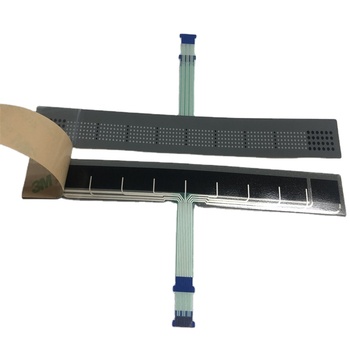
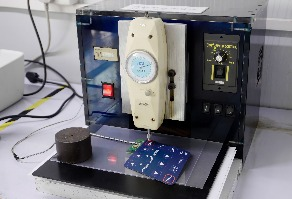
Conductive Silver Ink Circuit and Flexible Printed Electronics manufactured by Dongguan Ravo Electronics Co., Ltd.
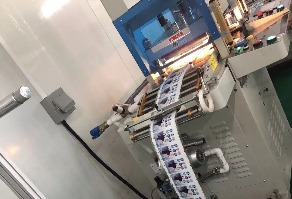
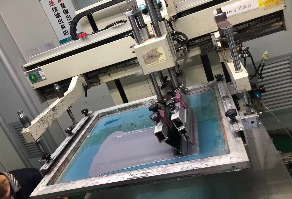
Precision screen printing line for conductive silver ink circuits and graphic overlays
Precision Printed Electronics & Flexible Circuit Specialist

Conductive Silver Ink Circuit Manufacturing: The Strategic Technical Guide for Global B2B Sourcing Teams

In an industrial landscape transitioning toward ultra-lightweight, aerodynamically conformal, and cost-optimized Human-Machine Interfaces (HMI), procurement executives, hardware architects, and system integrators face a pivotal engineering question: How do precision-printed conductive silver ink circuits deliver superior cost-efficiency, anti-migration reliability, and structural flexibility compared to traditional copper FPCs? Dongguan Ravo Electronics Co., Ltd. provides the answer through 20+ years of manufacturing mastery, deep DFM consultation, and verified on-site fabrication in Dongguan, China.

On-site Verified Manufacturer ≤0.02 Ω/sq Low Sheet Resistance Fast-Track Prototypes from 1 pc Anti-Migration Carbon Barrier Tech
2003
Year Founded in Dongguan, China
12,000m²
Self-Owned Integrated Plant Area
300+
Highly Trained Technicians & Staff
98.59%
B2B Buyer Inquiry Response Rate
≤2h
DFM Engineering Response Time · 14 Years Global Verified Export History
Engineering Insight & Information Gain

The Architecture of High-Reliability Conductive Silver Ink Circuits

Understanding the fundamental material physics, paste composition, and curing kinetics that prevent trace micro-fractures and electrochemical migration in harsh operating conditions.

Screen-Printed Silver Paste on Thermally Stabilized PET

A conductive silver ink circuit is far more than mere metallic paint deposited on plastic. At Dongguan Ravo Electronics Co., Ltd., we utilize optical-grade, heat-stabilized Polyethylene Terephthalate (PET) polyester film substrates (typically 75µm, 100µm, 125µm, or 188µm thick) that undergo thermal pre-shrinkage processes at 150°C for up to 60 minutes. This critical thermal pre-conditioning eliminates dimensional distortion, substrate curling, and registration drift during multiple screen-printing passes.

Our formulation incorporates high-solids (70%–85% pure metallic silver flakes and sub-micron spherical particles) suspended in sophisticated thermoplastic and thermosetting polymer resin matrixes. Applied using precision 200–350 mesh stainless steel screens with computerized emulsion tensioning, our silver ink traces yield a controlled dry-cured thickness between 10µm and 15µm. This guarantees outstanding mechanical conductivity (bulk sheet resistance as low as <0.015 to 0.035 Ω/sq/mil) and eliminates catastrophic resistance spikes when folded, flexed, or subjected to intense vibration.

To eliminate the historical pitfall of silver electromigration—where silver dendrites crawl under continuous electric field and humidity between adjacent conductors—Dongguan Ravo Electronics Co., Ltd. applies an impervious, pinhole-free conductive carbon overcoat over every contact terminal, switch finger pad, and flex tail interface. This carbon shield functions as a galvanic barrier, completely isolating the underlying silver flakes from ambient moisture while offering superior wear resistance against repeated contact wipes.

ParameterConductive Silver Ink CircuitEtched Copper FPC
Tooling CostMinimal screen & die tooling (Inquire Now)High chemical photo-etch tooling
Tooling Lead TimeFast-track: 2 to 4 working daysTypical: 10 to 18 working days
Flexibility & Bend180° crease resistant with polymer binderSusceptible to copper work hardening
Unit Cost (Large Run)35%–55% lower than polyimide copperHigh baseline raw material expense
Max Current LoadSignal level: Up to 250mA continuousPower level: >1.5A to 10A+
Component MountingConductive silver epoxy (ECA) at low tempHigh temp lead-free reflow soldering
Cross-Over TracesPrinted UV dielectric crossover layersRequires double-sided plated via holes
Innovation Roadmap

Technological Evolution & Future Development in Silver Ink Circuits

From sub-micron particle sintering to multi-layer crossover dielectric technology, discover the innovations driving next-generation printed circuitry.

1. Nano-Silver Sintering & High-Density Fine Pitch

Historically, flake-based conductive silver paste restricted conductor line widths and trace spacing to 0.3mm (300µm). Today, Dongguan Ravo Electronics Co., Ltd. incorporates advanced micro-and-nano hybrid silver pastes that allow photonic or low-temperature thermal sintering. This technological leap enables trace widths down to 0.10mm (100µm) with 0.10mm line pitch, unlocking high-density matrix routing for compact IoT medical devices, smart stylus pens, and wearables without electrical shorting or capacitive cross-talk.

2. Multi-Layer Crossover Printed Dielectrics

Where complex trace matrixes collide in single-plane layouts, our precision multi-pass screen printing deposits cross-over dielectric insulating polymers. Formulated with ultraviolet (UV) or thermal curing epoxy-acrylate resins, these dielectric layers provide breakdown voltages exceeding 500V DC per 25µm layer. This eliminates the necessity of costly double-sided FPCs with plated-through holes (PTH), allowing ultra-complex matrix circuits to be built within a slim, single-sheet footprint.

3. Stretchable & In-Mold Structural Electronics (IME)

The frontier of printed electronics lies in thermoformable, stretchable conductive inks. Dongguan Ravo Electronics Co., Ltd. engineers conductive silver circuits formulated with polyurethane-elastomeric binders capable of undergoing 20% to 50% mechanical elongation without electrical interruption. These circuits are screen-printed flat, thermoformed into deep-draw 3D shapes, and directly injection-molded (IME) to create smart interior automotive center consoles and seamless home appliance interfaces.

Dongguan Ravo Electronics Co., Ltd. advanced manufacturing capabilities and R&D

Comprehensive Verification & Traceability

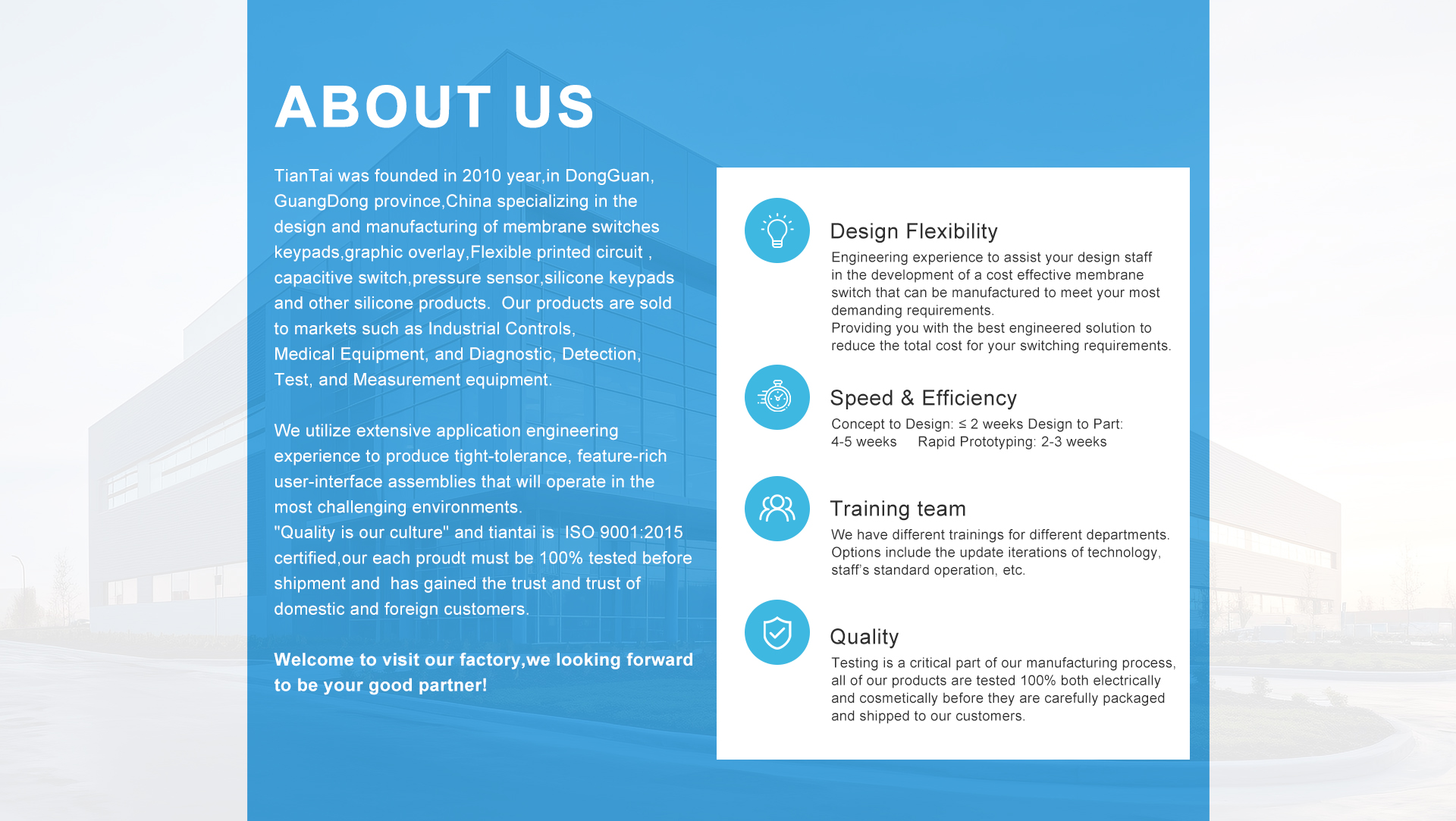
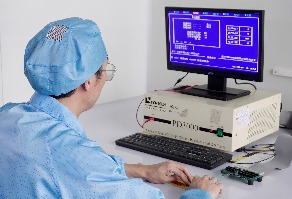
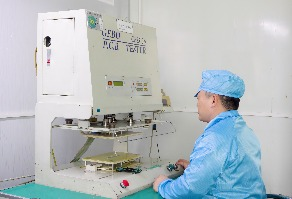
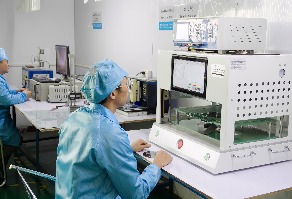
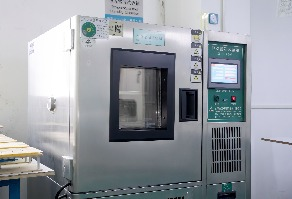
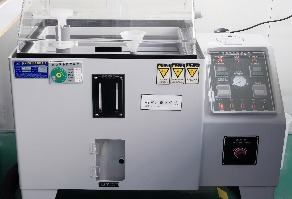
Every batch of conductive silver ink circuits manufactured at our Dongguan facility undergoes 100% automated electrical continuity checks, contact resistance logging, cross-hatch ink adhesion testing (ASTM D3359), and accelerated thermal-humidity endurance cycling (85°C / 85% RH for 500 hours).

Procurement Knowledge Hub

Conductive Silver Ink Circuit Sourcing FAQ

Critical engineering and supply chain questions answered by our senior technical director to guide your DFM reviews.

What is a conductive silver ink circuit and how does it compare to etched copper FPC?

A conductive silver ink circuit consists of highly conductive metallic silver particles blended with polymeric resins, screen-printed in precise conductor patterns onto a flexible polyester (PET) or polycarbonate (PC) substrate. Unlike copper FPC (Flexible Printed Circuit) that requires sub-tractive chemical acid etching of copper-clad polyimide films, silver ink circuit manufacturing is an additive printing process.

The primary advantages of silver ink circuits include 35%–55% lower unit cost, 70% cheaper tooling, and turnaround within days rather than weeks. Copper FPC remains preferable only where continuous high current (>1.5A), soldered high-pin BGA chips, or dynamic high-frequency flexure over millions of severe bend cycles are needed.

How does Dongguan Ravo Electronics Co., Ltd. resolve silver electromigration risks?

Silver electromigration is an electrochemical phenomenon where silver ions dissolve in moisture under a direct current (DC) electric field and migrate between conductors to form conductive dendritic whiskers, causing premature short circuits.

Dongguan Ravo Electronics Co., Ltd. eliminates migration through a multi-tier engineering strategy: First, we print a 100% pinhole-free conductive carbon paste barrier directly over all silver switch contact pads and unsealed traces. Second, we apply a high-dielectric breakdown UV insulation mask over all signal conductors. Third, our perimeter seals use high-performance 3M acrylic adhesive gaskets to create an IP65 or IP67 barrier against ambient moisture ingress.

What is the typical sheet resistance and current carrying capacity of your silver circuits?

Our cured silver traces exhibit exceptionally low sheet resistance, routinely maintained between <0.015 Ω/sq/mil and 0.050 Ω/sq/mil at a printed thickness of 10µm to 15µm. For a typical 1.0mm wide trace, loop resistance is easily maintained well below 10 to 20 Ohms across long routing runs.

Regarding current capacity, printed conductive silver ink circuits are optimized for signal logic, sensor interconnects, and low-power LED driving—typically carrying continuous loads of 50mA to 250mA DC. Where higher currents are required, our engineers widen traces, increase wet ink deposit volume, or incorporate localized carbon/copper reinforcements.

Can SMD components like LEDs, resistors, and connectors be bonded to silver ink circuits?

Yes. While standard lead-free soldering (240°C–260°C) will distort and melt polyester (PET) substrates, we mount surface mount components using specialized Electrically Conductive Adhesives (isotropic silver ECA) cured at low thermal profiles (120°C–140°C).

Following ECA curing, our automated dispense stations apply structural UV-cure polymer potting or epoxy encapsulation over the component body. This provides extraordinary lap-shear strength and resistance against vibration, drop tests, and thermal expansion fatigue.

What tail pitch and connection styles can be specified for conductive silver circuits?

Our standard flex tail terminations support 2.54mm (0.100") and 1.27mm (0.050") pitch crimped female contacts (compatible with Amphenol FCI Clincher, Nicomatic, or Molex housings), as well as 1.0mm, 0.5mm, or 1.27mm pitch flat bare-tail designs for Zero Insertion Force (ZIF) connectors. For ZIF tails, we laminate rigid PET or polyimide stiffeners to ensure positive mating retention and reliable wiping contact.

What are the minimum trace width and spacing capabilities for Ravo production lines?

For standard high-yield volume production, we recommend a trace width and spacing of 0.30mm / 0.30mm (12 mil / 12 mil). For high-density sensor arrays or space-constrained handheld devices, our clean-room semi-automatic printing lines achieve fine-line resolution of 0.15mm (6 mil) trace and space, verified under automated optical inspection (AOI).

What documentation is required to receive a fast engineering DFM quotation?

To provide a detailed DFM review and quotation within ≤2 hours, we request: 1) Circuit artwork or layout in Gerber, CAD (.dxf, .dwg), or vector (.ai, .pdf) formats; 2) Mechanical dimensions and connector type; 3) Operating voltage, current, and environmental requirements (temperature range, IP rating); and 4) Estimated prototype and annual production volumes.

What is your typical turnaround time from CAD approval to delivery?

For fast-track engineering prototypes, Dongguan Ravo Electronics Co., Ltd. can fabricate silkscreen masks, assemble, test, and ship functional silver circuit prototypes in 5 to 7 working days. Standard volume mass production runs typically dispatch in 12 to 18 working days depending on layer count and mechanical complexity.

Enterprise Strengths

Why Global Leaders Partner with Dongguan Ravo Electronics Co., Ltd.

Dongguan Ravo Electronics Co., Ltd. is a premier manufacturer specializing in conductive silver ink circuits, membrane switches, PC/PET graphic overlays, flexible circuit boards, aluminum nameplates, copper panels, dimensional signs, silicone keypads, and custom silicone components. Located in Fenggang Town, Dongguan City, Guangdong Province—the premier hub of the Greater Bay Area electronics supply ecosystem—our facility is a recognized subsidiary of Tianjin Industry (HK) Co., Ltd., working in strategic synergy with Shenzhen Jingzhicheng Electronics Co., Ltd. (specialized in conductive buttons, Zebra connector stripes, and precision waterproof rings).

From our inception in 2003 with a tight-knit core team of eight craftsmen, we have expanded over two decades of technical evolution into a major manufacturing enterprise with over 300 experienced personnel operating across a modernized, self-owned facility covering more than 12,000 square meters.

Our factory integrates world-class precision screen printing lines, cleanroom lamination halls, computer-controlled CNC die-cutting, laser cutting systems, and high-precision SMD pick-and-place lines. With our strong engineering capability, state-of-the-art production machinery, rigorous quality assurance system, and dedicated English-speaking customer care, our conductive silver ink circuits and HMI products have earned widespread market adoption and customer trust across Europe, North America, and worldwide—including long-standing relationships with esteemed industry leaders such as LINAK, FLEXTRONICS, LG, CASIO, and EARLY LIGHT.

Our core mission is customer satisfaction. We are committed to engineering superior printed electronics that empower your products to perform with unwavering dependability.

≤2-Hour Rapid DFM Engineering Response

Our senior circuit engineers analyze your Gerber, CAD, and artwork files immediately, providing comprehensive manufacturability feedback and layer stack optimizations within 2 hours.

12,000 m² Vertically Integrated Manufacturing

Screen-making, precision ink blending, printing, thermal tunnel curing, die-cutting, SMD conductive epoxy bonding, and 100% electrical continuity testing handled entirely in-house.

Proven Tier-1 OEM Supplier Credibility

Trusted supplier to international manufacturing powerhouses including LINAK, Flextronics, LG, and Casio, ensuring complete compliance with ISO 9001 and global export standards.

Fast Prototype to High-Volume Flexibility

Whether you require 1 to 10 prototype samples for rapid proof-of-concept testing or 500,000+ monthly production units, our agile production scheduling delivers guaranteed consistency.

Production Control

Six-Step Quality-Controlled Manufacturing Process

Strict quality control from substrate preparation to final testing ensures that every conductive silver ink circuit meets zero-defect standards.

01

Substrate Bake

Polyester film pre-baked at 150°C to eliminate thermal shrinkage.

02

Silver Print

Precision 300-mesh screen printing of conductive silver paste.

03

Tunnel Curing

Controlled multi-zone thermal curing to optimize sheet conductivity.

04

Carbon Barrier

Anti-migration carbon layer printed over contact switch fingers.

05

Dielectric Mask

High-voltage UV dielectric printed over crossover trace lines.

06

100% Testing

Automated resistance, short, open, and continuity inspection.

Accelerate Your Project with Custom Conductive Silver Ink Circuits

Send your 2D/3D CAD drawings or Gerber files today. Our senior engineering team will respond with a comprehensive DFM review, layer stack suggestion, and firm quotation within two hours.

[email protected]