 EN
 DE
 FR
 ES
 RU
 JA EN DE FR ES RU JA
Explore production-grade membrane interfaces, tactical graphic overlays, and hybrid sensing solutions manufactured in Dongguan. Each model serves as an established stack-up baseline adaptable to unique pressure profiles, electrical geometries, and ingress ratings.
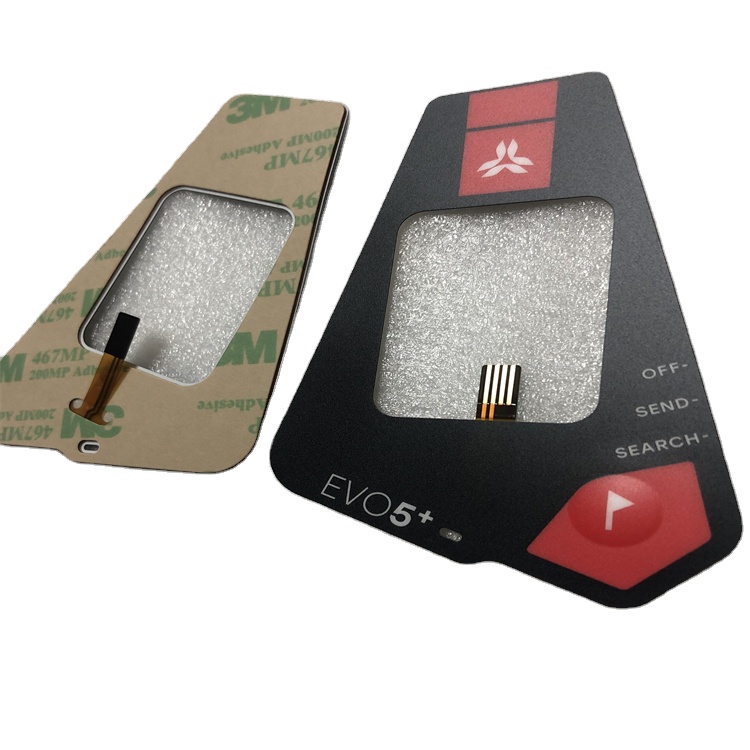
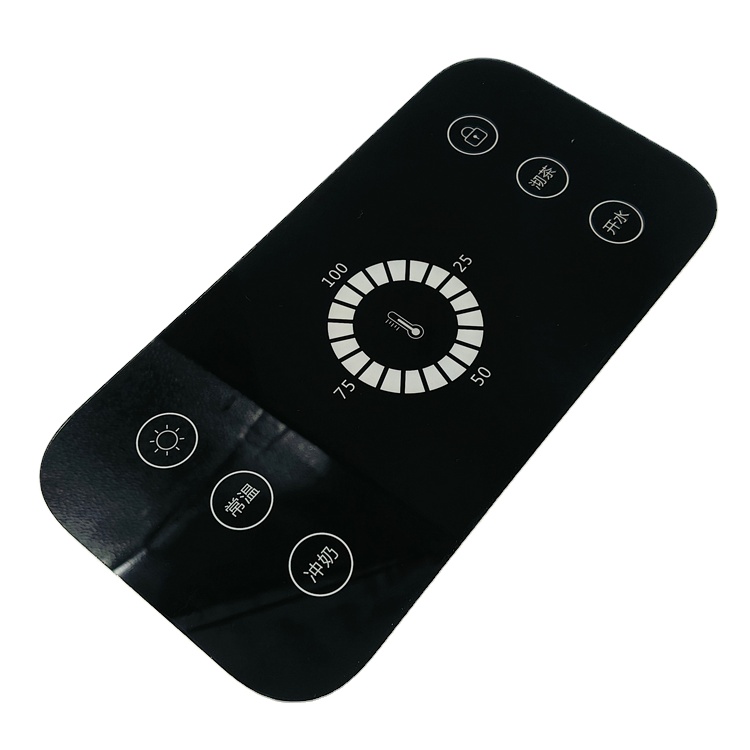
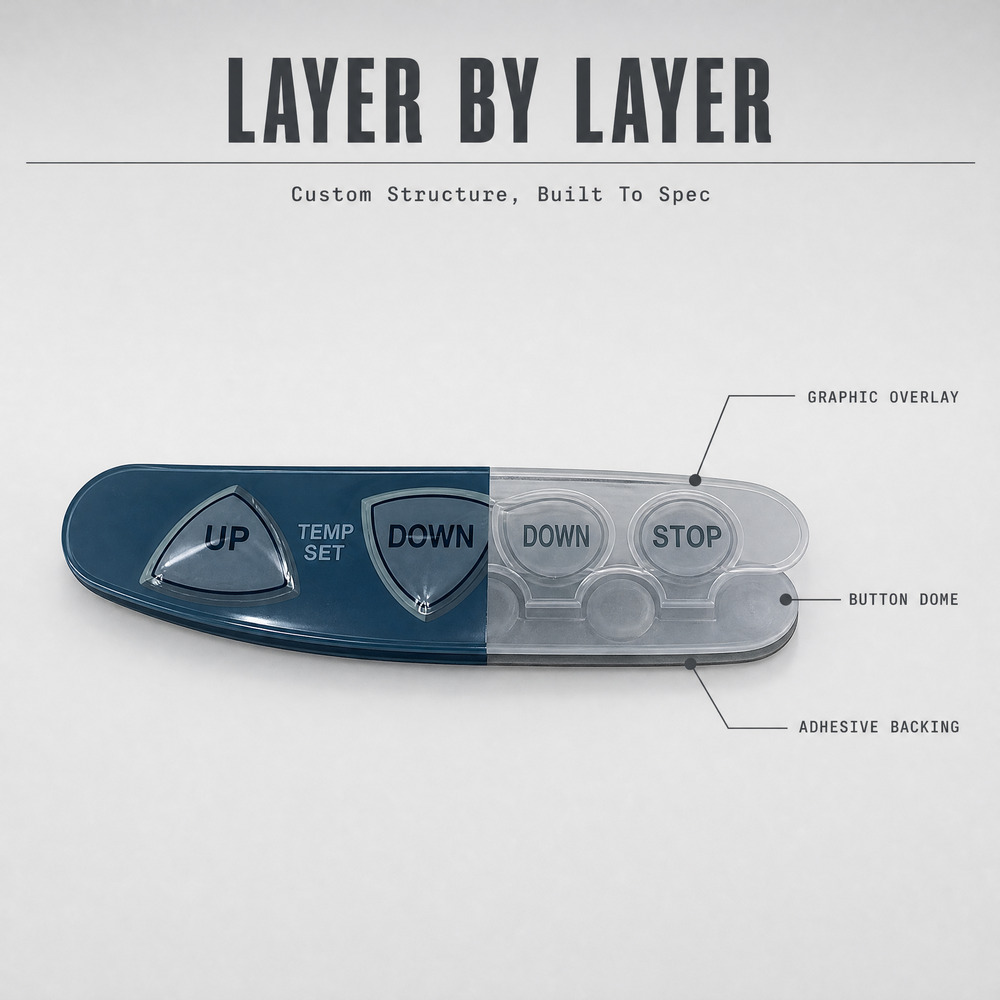
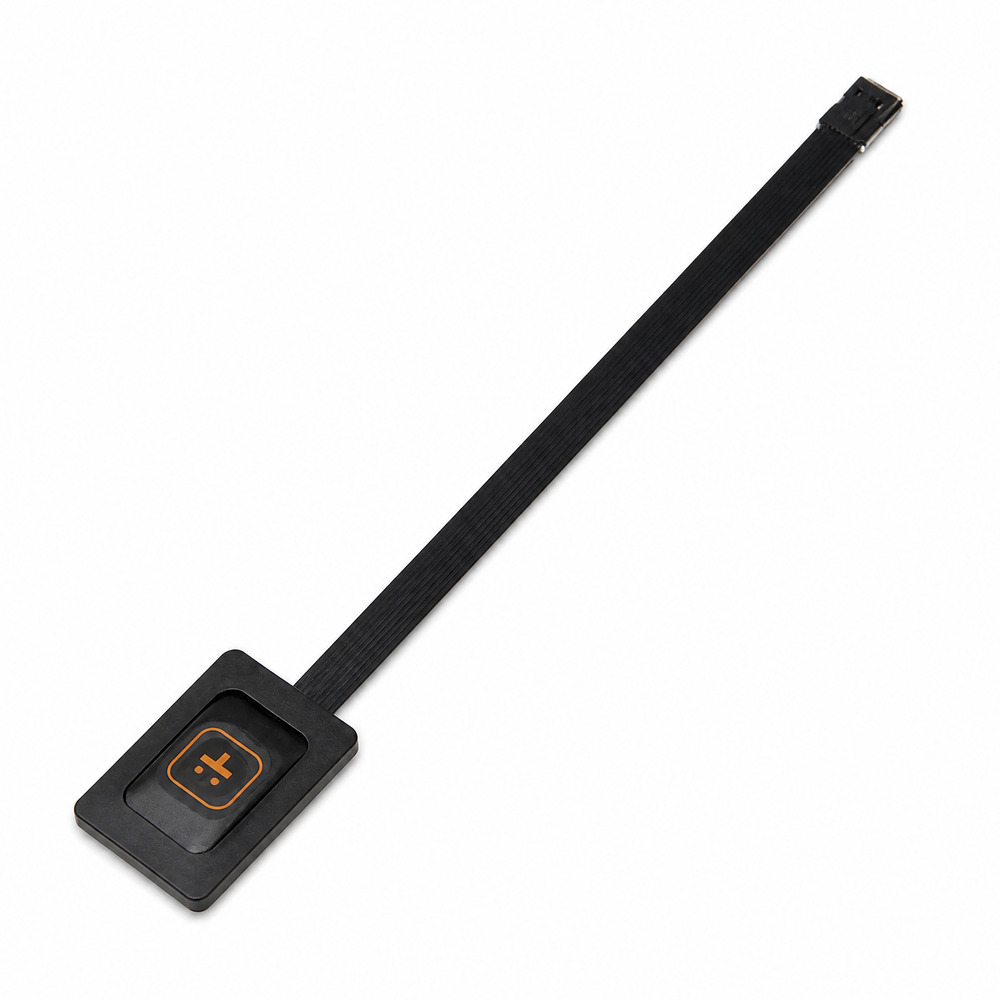
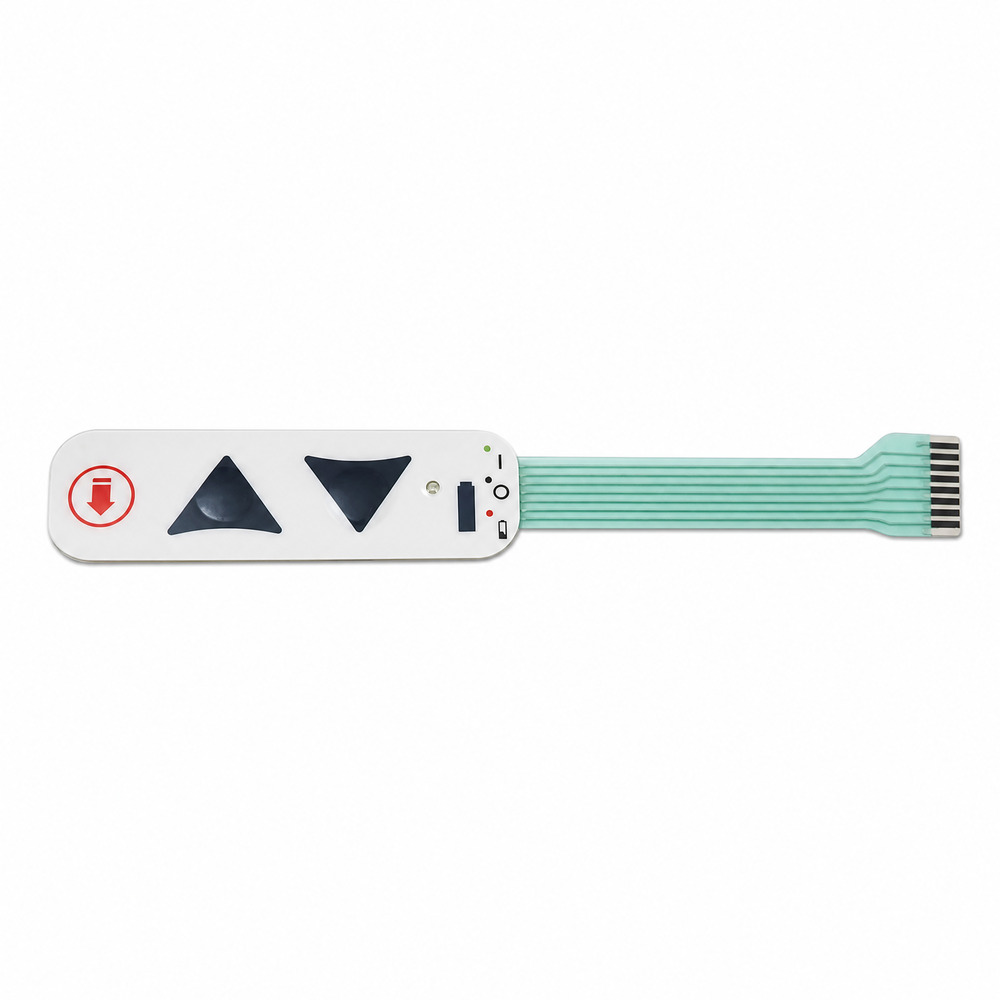
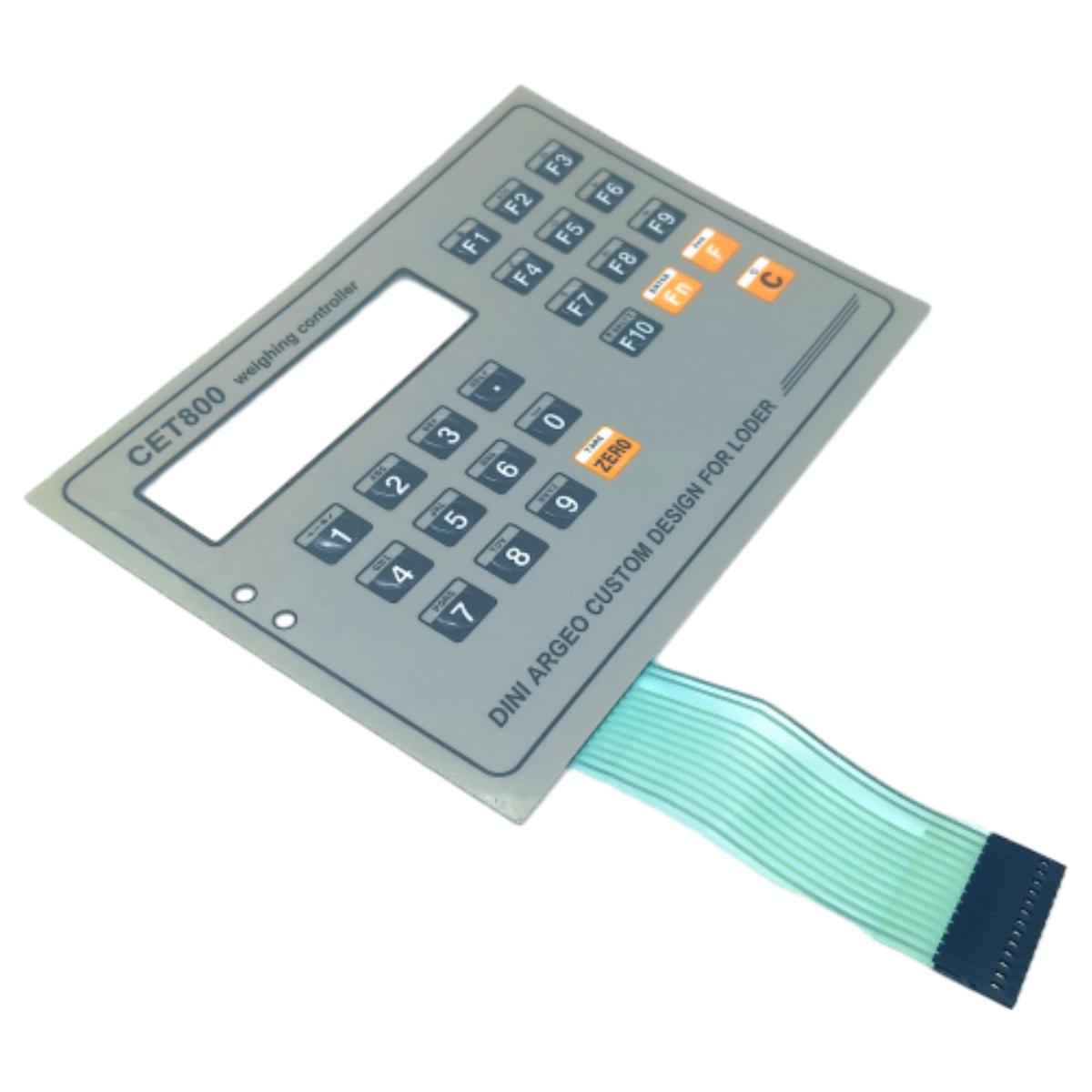
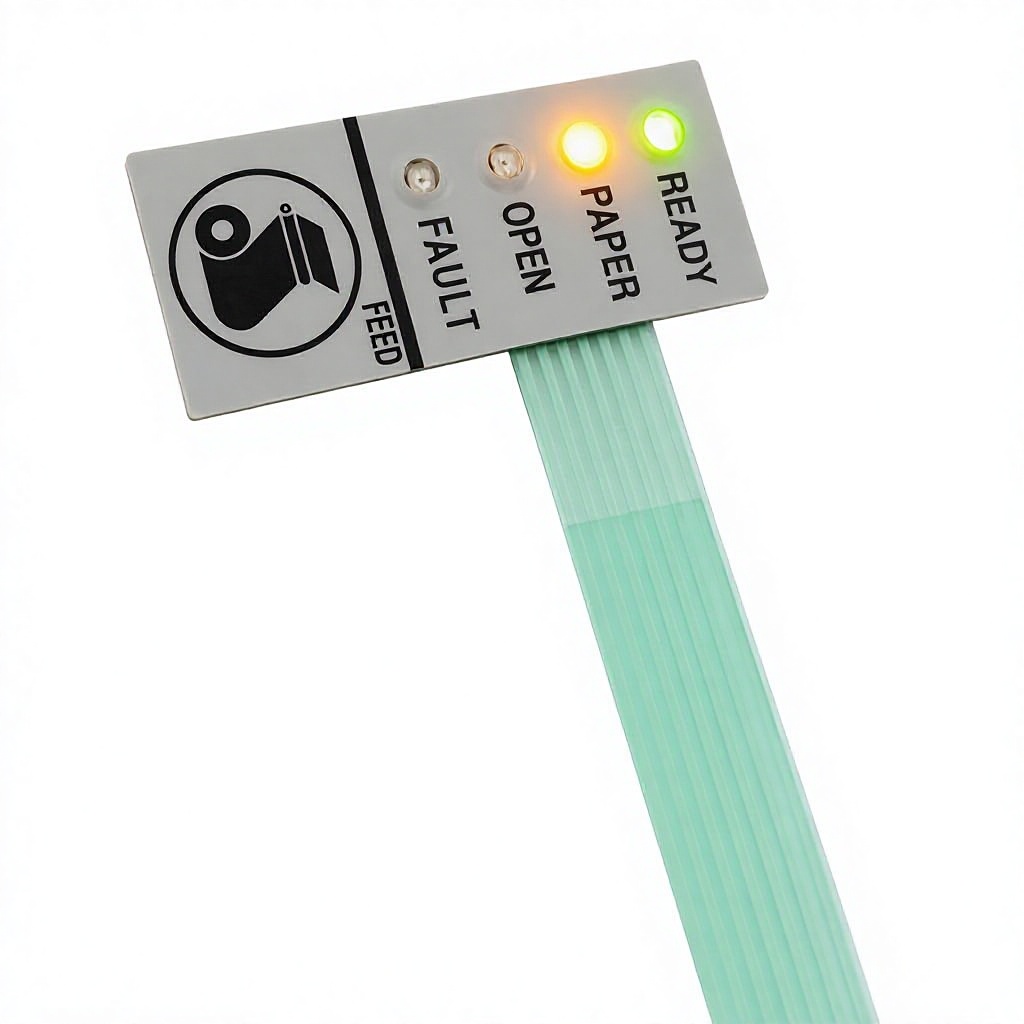
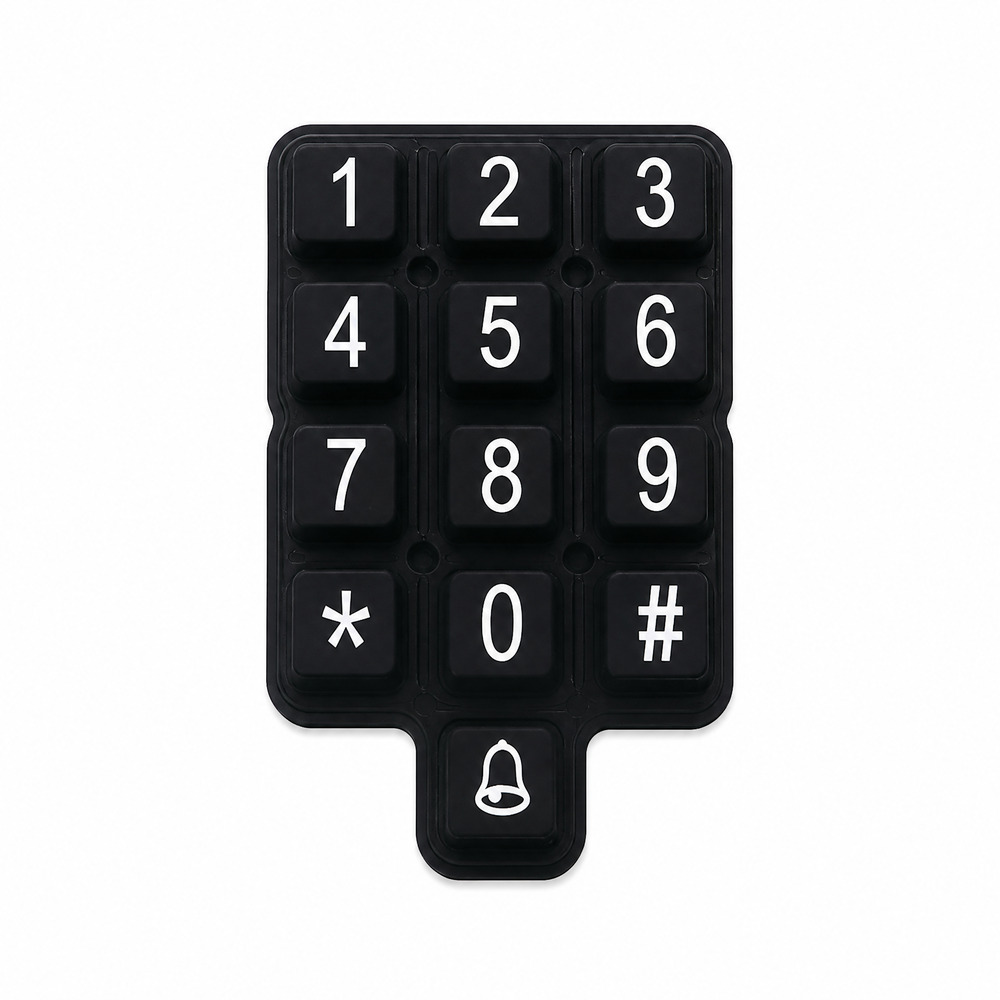
A Force Sensing Resistor (FSR) is a polymer thick-film (PTF) sensor exhibiting a decrease in electrical resistance when normal force is applied to its active sensing area. Unlike binary electromechanical switches or rigid strain gauges, custom thin-film FSR sensors offer continuous analog pressure detection, ultra-thin profiles (<0.25 mm), exceptional shock tolerance, and low power dissipation.
Features interdigitated conductor fingers screen-printed with silver ink on a single flexible substrate, overlaid by a proprietary semi-conductive carbon-nanocomposite ink layer separated by a thin dielectric air gap spacer. As force increases, the micro-peaks of the carbon layer short-circuit the silver fingers, reducing electrical resistance along a deterministic logarithmic curve.
Constructed by printing a solid conductive electrode pad on the bottom substrate, and the force-sensitive carbon layer on the top opposing substrate. Current flows directly through the thickness of the carbon matrix. ThruMode sensors deliver enhanced linearity at elevated mechanical loads (>100 N) and exhibit superior resistance to lateral mechanical shear.
Engineered with intersecting conductive row and column traces separated by piezoresistive nodes. Multiplexed scanning algorithms capture multi-point pressure mapping, center of gravity (CoG), and spatial touch distributions for intelligent medical beds, prosthetic devices, automotive seats, and robotic end-effectors.
Evaluating international manufacturers of thin-film pressure sensors requires balancing physical material science, cleanroom capacity, prototyping agility, electronic integration, and export compliance. The comparative table below outlines the global leaders delivering custom force sensing hardware across North America, Europe, and Asia-Pacific.
| Supplier Name | Country | Primary Technology & Focus | Prototype Agility | Core Compliance | Export Strongholds |
|---|---|---|---|---|---|
| Dongguan Ravo Electronics Top Pick | China (Dongguan) | Hybrid FSR Sensors, Membrane Switches, FPC/PCB Assembly, Silicone Keys | From 1 pc (≤2h DFM, 7-10 Days) | ISO 9001, RoHS, REACH | North America, Germany, UK, EU, Japan |
| Interlink Electronics, Inc. | United States | Standard & Custom FSR, Automotive Human-Interface Modules | Standard 4-6 Weeks Tooling | IATF 16949, ISO 9001 | Global Tier 1 Automotive, Consumer IT |
| Tekscan, Inc. | United States | High-Density Tactile Pressure Mapping Systems, Medical Matrices | High Engineering Customization | ISO 9001, ISO 13485 | Biomechanical Research, Ergonomics, Aerospace |
| Peratech Holdco Ltd. | United Kingdom | Quantum Tunnelling Composite (QTC) 3D Force-Touch Solutions | Collaborative NPI Engineering | ISO 9001 | Consumer Electronics, Automotive HMIs |
| Sensitronics, LLC | United States | Multi-Touch Force Arrays, Musical Instruments, Potentiometers | Custom R&D Batches | Standard Commercial | Pro Audio, Industrial Robotics |
| IEE S.A. | Luxembourg | Automotive Occupant Detection, Tailored Seat Sensing Foils | Mass OEM Vehicle Platforms | IATF 16949, ISO 14001 | European & North American Automotive |
| Spectra Symbol | United States | Membrane Potentiometers, Linear SoftPots, Thin-Film Force Strips | Standard Samples Available | ISO 9001, RoHS | Medical Dispensers, Industrial Positioners |
| Tangio Printed Electronics | Canada / UK | Large-Format Force Touch Interfaces, Surface Acoustic Hybrid | Prototype Runs (2-4 Weeks) | ISO 9001 | Interactive Display, Kiosks, Pro Audio |
| FSRtek / LuSense | Taiwan / China | Stylus Pressure Sensing Modules, Wearable Pressure Pads | Standard Production Batches | ISO 9001, RoHS | Consumer Electronics, Peripherals |
| Alps Alpine Co., Ltd. | Japan | High-Precision Micro Force Sensors, Automotive Control Switches | Strict Corporate Validation | IATF 16949, ISO 9001 | Automotive, Industrial Controls, Medical |
While Western suppliers pioneered early patent portfolios, South China's specialized cluster in Dongguan provides unparalleled vertical integration. Fabricators combine screen-printed carbon inks, laser cutting, embossing, metal dome placement, rigid PCB or polyimide FPC backers, and surface-mount LEDs within the same production facility, condensing project cycles from quarters to weeks.
Sourcing a raw FSR element often creates downstream assembly bottlenecks. Top-tier exporters such as Dongguan Ravo Electronics solve this by supplying complete front-panel assemblies: an IP67-sealed graphic overlay on top, tactile metal domes for tactile confirmation, embedded status LEDs, and a rear FSR layer delivering proportional pressure data over a unified ZIF tail connector.
Established in 2003 in Fenggang Town, Dongguan, Dongguan Ravo Electronics Co., Ltd. has grown from an agile engineering workshop into a 12,000-square-meter precision manufacturing hub. With over 300 experienced technicians, Ravo bridges high-volume production economics with flexible prototyping starting from a single unit.
Ravo's engineering staff analyzes CAD drawings (DXF, DWG, Step, AI) with an average DFM turnaround time of ≤2 hours. Every FSR custom project benefits from in-house screen stencil tooling, steel cutting dies, cleanroom printing, and thermal sintering tunnels to ensure optimal electrical resistance uniformity.
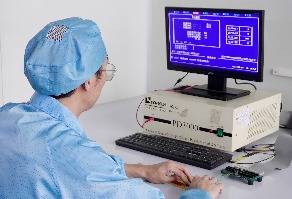 Main Production Workshop
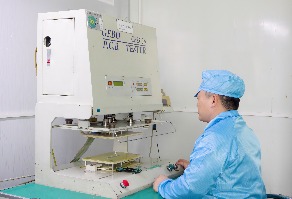 Precision Screen Printing
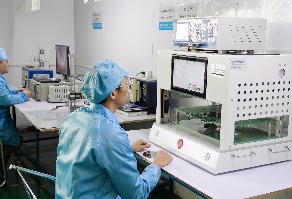 Lamination & Die Cut
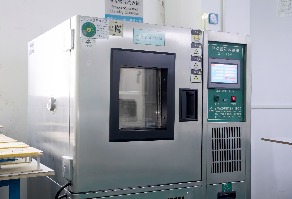 100% Quality Inspection
As hardware ecosystems incorporate artificial intelligence, tactile feedback, and connected medical diagnostics, the demand for custom thin-film force sensors is undergoing radical transformation. Engineering buyers must anticipate four major procurement shifts when specifying next-generation force-sensitive assemblies.
Collaborative robotic end-effectors and humanoid hands require high-density, multi-taxel (tactile pixel) curved FSR arrays. Sourcing specifications are pivoting toward ultra-flexible polyimide (PI) substrates capable of continuous dynamic flexing across millimeter-scale radii without conductive silver migration or substrate cracking.
Lithium-ion pouch and prismatic battery cells expand and contract during charge-discharge cycling. Automotive Tier-1s are procuring matrix FSR thin-film belts sandwiched between battery pack modules to detect abnormal local pressure spikes in real time, alerting BMS microcontrollers to cell degradation before thermal runaway happens.
Post-pandemic healthcare procurement mandates cost-effective, biocompatible, single-use force sensors. Custom FSR mats monitor continuous patient posture, early bed-fall indicators, and decubitus ulcer (bed sore) prevention. These designs use non-toxic carbon inks printed on medical-grade PET with hypoallergenic adhesives.
Modern automotive consoles and medical workstations are eliminating purely capacitive touch buttons due to false-triggering from water, sweat, or accidental contact. The growing procurement standard integrates capacitive touch for initial surface wake-up and coordinate tracking, paired with a sub-surface FSR sensor requiring deliberate actuation pressure before sending CAN-bus or USB commands.
When submitting RFQs and engineering prints to manufacturers, specifying standard dimensional tolerances is not enough. Provide the following physical and electrical parameters to receive accurate DFM feedback and optimize production yield:
Define the sensitivity threshold (break force, typically 0.1 N to 0.5 N) and saturation limit (where resistance flatlines, often 10 N to 100 N). Inks can be tailored with varying carbon black to binder ratios to shift the dynamic sensitivity curve.
FSR sensors respond to mechanical contact stress. Provide the surface area, curvature, and durometer (e.g., 60 Shore A silicone vs. rigid POM plastic) of the actuating puck. Softer actuators distribute load, while rigid pucks concentrate shear force.
Specify connection methods: standard 2.54 mm pitch female Berg/Amphenol crimp pins with latching housings, 1.0 mm pitch zero insertion force (ZIF) tails with polyimide stiffeners, or solderable FPC pinouts.
Standard PET substrates operate reliably from -20°C to +70°C. For automotive dashboards or industrial engine compartments requiring up to +105°C, high-Tg stabilized PEN or Polyimide (Kapton) films must be specified alongside specialized UV-curing inks.
Straightforward, technical answers to common queries raised by sourcing managers, hardware designers, and quality directors during FSR supplier evaluation.
Share your 2D/3D mechanical files, actuation requirements, and target volumes with our senior application engineers. Receive an actionable DFM review and formal quotation within 2 hours during China operational business time.
