EN
 DE
 FR
 ES
 RU
 JA EN DE FR ES RU JA
Explore custom silicone elastomer assemblies, tactile metal dome arrays, and thin-film sensor platforms engineered for medical diagnostics, rugged avionics, and industrial automation.
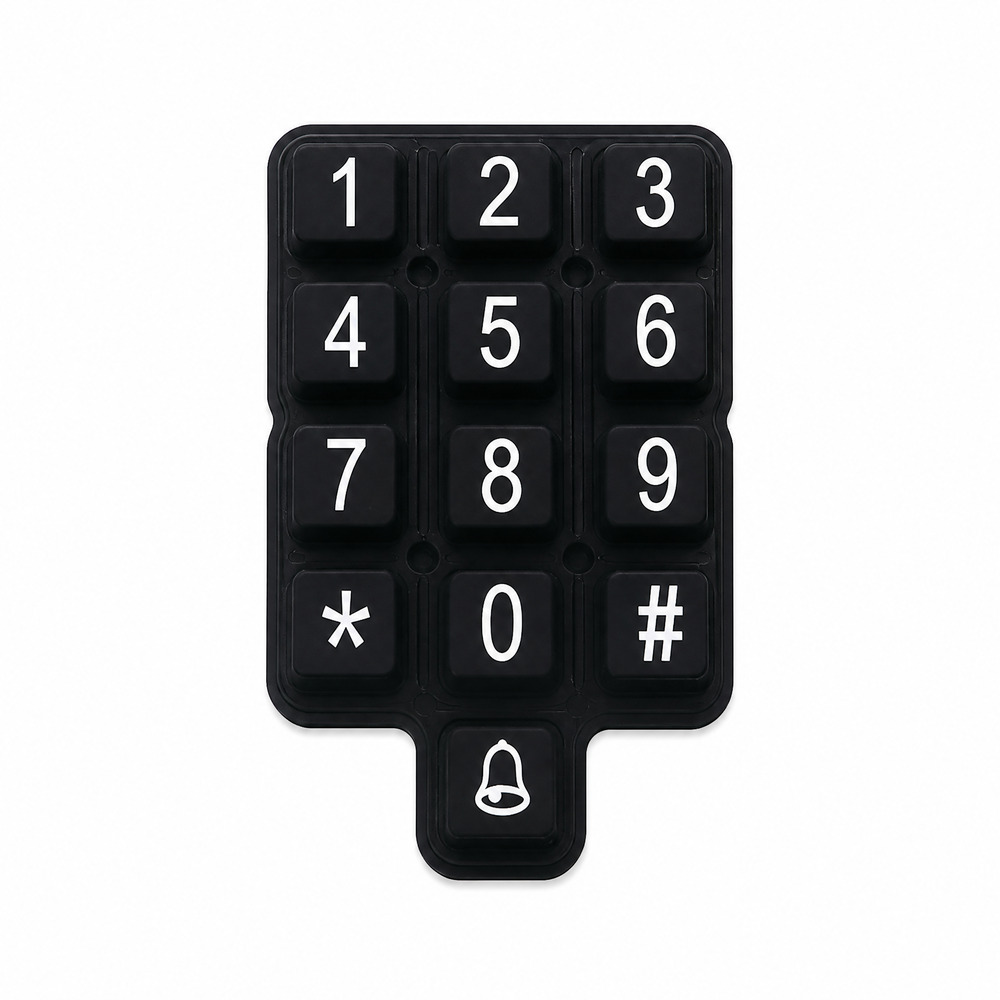
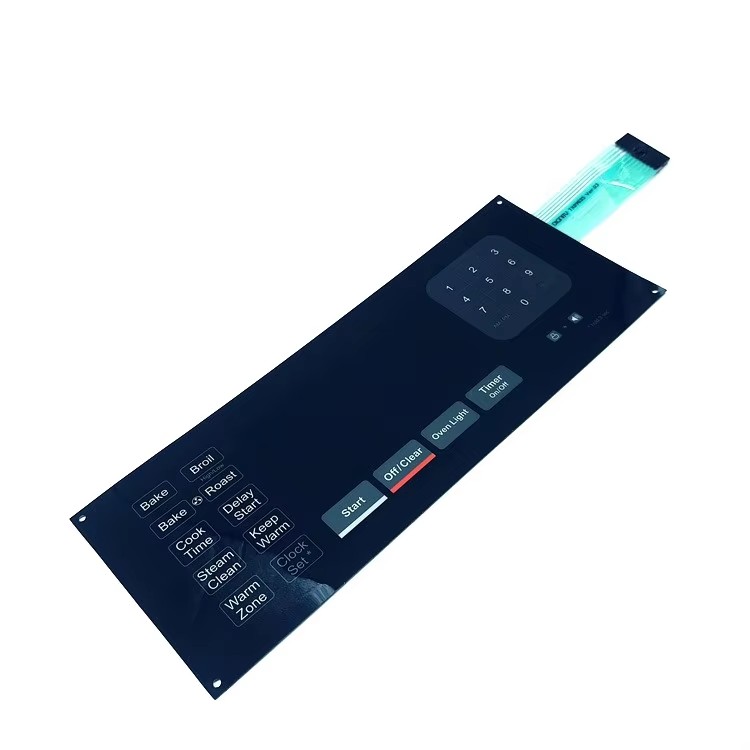
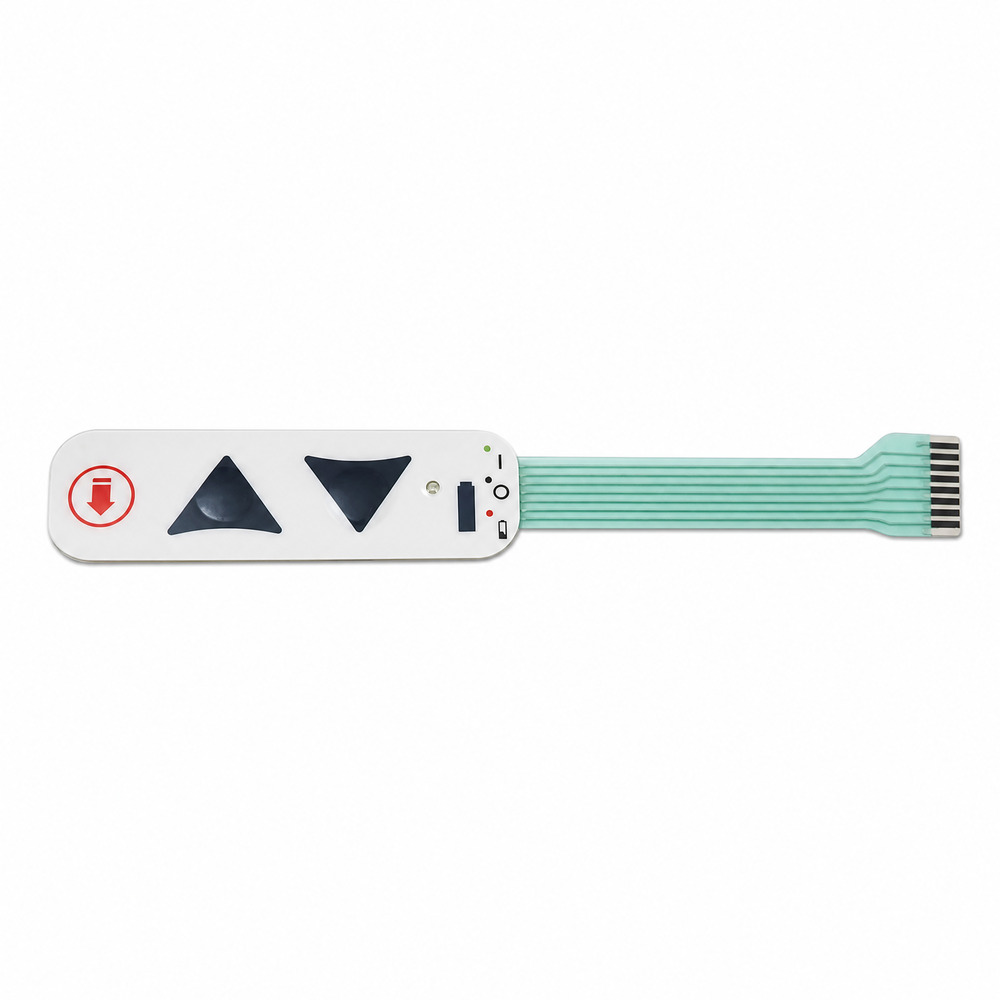
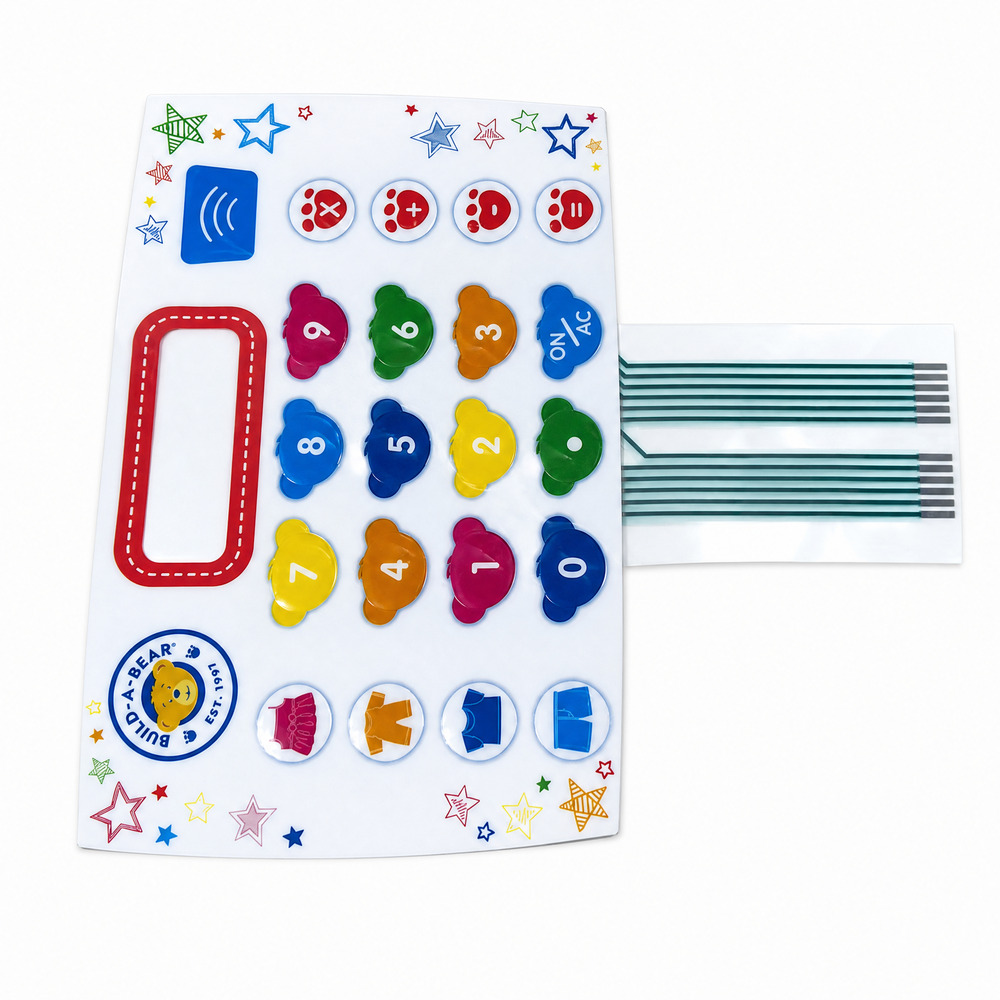
In modern electronic hardware architecture, human-machine interface (HMI) reliability determines the operational safety and tactile perception of entire equipment platforms.
As mission-critical electronics deployed across aerospace, critical care medical equipment, defense radios, and automated industrial machinery transition toward nocturnal and low-ambient operability, the demand for precision engineered backlit rubber keypads has expanded dramatically. Global hardware procurement teams cannot rely simply on low-cost injection molding shops; they require specialized Tier-1 manufacturers equipped with optical simulation software, Class 10,000 dust-free lamination cleanrooms, advanced multi-axis laser ablation cutters, and high-frequency automated lifecycle testers.
To assist senior procurement managers, lead mechanical engineers, and hardware supply chain directors in evaluating global engineering partners, our analysis benchmarked the Top 10 Backlit Rubber Keypad Suppliers & Exporters based on five primary engineering metrics: Luminance Uniformity (ΔL < 15%), Tooling Tolerances (ISO 2768-m/c), In-House Laser Etching Depth Control (±0.01mm), Environmental Sealing Integrity (IP67/IP68), and Design For Manufacturability (DFM) response speed.
| Rank / Supplier Name | Primary HQ & Plants | Backlight Technology Competence | Tooling & Mold Precision | Ingress & Environmental Rating | Target Industries |
|---|---|---|---|---|---|
| #1 Dongguan Ravo Electronics | Dongguan, China (12,000 m²) | SMD LED Matrix, LGF Light Guide Films, Laser Ablation | ±0.02 mm (CNC & In-House Tooling) | IP65, IP67, IP68 Hermetic Hermetic Seal | Medical Instruments, Military Handhelds, Industrial Automation |
| #2 Epec Engineered Technologies | Massachusetts, USA / Asia | Integrated Optical Fiber & Discrete LED Arrays | ±0.05 mm Standard Tooling | IP65 Industrial Waterproofing | Aerospace Cockpits, Defense Electronics |
| #3 Schurter Holding AG | Lucerne, Switzerland / Global | Capacitive Backlit & Edge-lit Acrylic Guides | High Precision Tooling Grade | IP65 to IP67 Rated Housings | Medical Diagnostics, High-end Laboratory Gear |
| #4 Grayhill Inc. | Illinois, USA | Ruggedized LED & NVIS Night Vision Compatible | Aerospace Tolerance Compliance | MIL-STD-810G Environmental Specs | Military Ground Vehicles, Marine Navigation |
| #5 KEE Group | Hong Kong / Huizhou, China | Compression Silicone & Spray Etch Systems | ±0.03 mm Tooling Precision | IP66 Washdown Certified | Commercial Terminals, Consumer Appliances |
| #6 Sunway Communication | Shenzhen, China | LGF Hybrid with Metal Dome Integration | High-Volume Stamping Dies | Consumer Splashproof Standard | Mobile Devices, Wearables, Smart Home |
| #7 Shin-Etsu Polymer | Tokyo, Japan / Global | Ultra-pure Medical Silicone Backlit Assemblies | Sub-micron Mold Machining | Cleanroom Medical IP67 Formats | Surgical Equipment, Automotive Cockpits |
| #8 Siltech Industries | California, USA | Electroluminescent (EL) & Discrete LED Pockets | ±0.05 mm Standard Molds | IP64 Weatherproof Form Factors | Oil & Gas Handhelds, Mining Terminals |
| #9 APEM Inc. | Montauban, France / USA | Integrated HMI Switch Backlighting | Industrial Grade Tooling | IP67 Sealed Keypad Panels | Heavy Machinery, Agricultural Interfaces |
| #10 Nelson-Miller Inc. | California, USA / Asia Facilities | Polycarbonate Overlays & Silicone Rubber Blends | Standard Production Dies | IP65 Enclosure Gaskets | Kiosks, Test and Measurement Instruments |
Among these suppliers, Dongguan Ravo Electronics Co., Ltd. (Ravo) stands out as a preeminent direct-source manufacturing exporter. Operating out of a verified 12,000 square meter cleanroom facility in Dongguan, China, Ravo provides an unmatched synergy of rapid prototyping from 1 piece, comprehensive DFM feedback delivered in 2 hours or less, proprietary multi-layer light guide film (LGF) fabrication, and complete vertical production spanning screen printing, compression rubber molding, SMT electronic placement, and automated environmental testing under ISO 9001 certified protocols.
A breakdown of illumination dispersion, laser ablation optics, and tactile feedback engineering required for flawless human-machine interaction.
The principal engineering challenge in custom backlit silicone rubber keypads lies in eliminating chromaticity drift, hot spots (uneven bright centers directly above LEDs), and light bleeding between adjacent keys without compromising tactile snap ratios or physical travel distance. Accomplishing this requires a sophisticated understanding of polymer optics, laser photochemical interaction, and mechanical membrane stack construction.
Utilizes microscopic convex or concave optical dot matrices embossed into an ultra-thin (0.125mm–0.25mm) polycarbonate or PMMA film. Side-firing surface-mount micro-LEDs couple photon streams into the film edge; the microdots break total internal reflection (TIR), redirecting light perpendicular to the keypad surface with >90% overall illuminance uniformity across complex matrix arrays.
Keypads are compression molded from optical-grade translucent silicone (durometer typically 50° to 65° Shore A). Key surfaces receive a precision translucent white or color spray coating, followed by an opaque blackout polyurethane or silicone topcoat. A computer-guided fiber or CO2 laser vaporizes the topcoat to reveal razor-sharp alphanumeric legends with micron-level edge definition.
To eliminate cross-talk and light bleeding between distinctly colored keys, inner silicone webs are molded with integral light-dams or back-printed with optical mask coats. This ensures dedicated function keys (such as emergency stop reds vs. operational greens) maintain pure chromaticity coordinates without bleed under night-vision (NVIS) conditions.
A rubber keypad is more than a lighting cover; it is a primary spring mechanism. The key web acts as a mechanical toggle beam. When an operator depresses a key, the web flexes until it reaches the critical actuation force ($F_a$). At this point, the web collapses instantaneously down to the contact force ($F_c$), yielding that unmistakable, crisp mechanical snap before the conductive carbon pill or underlying stainless-steel metal dome touches the printed PCB or silver-ink PET circuitry.
The Snap Ratio ($S_r$) is mathematically calculated as:
For high-reliability medical ventilators, military radios, and automotive dash switches, Ravo engineers target an optimal Snap Ratio between 40% and 60% with an actuation force range of 150g to 350g. This provides distinct operator haptic feedback even when operating equipment while wearing heavy protective rubber gloves or sub-zero tactical gear.
Strategic hardware engineers must anticipate material shifts, miniaturization demands, and hybrid integration vectors driving the next decade of HMI manufacturing.
Liquid Silicone Rubber (LSR) processing with multi-cavity cold runner systems replaces traditional compression molding for high-density, thin-wall portable medical wearables. LSR delivers ultra-tight wall tolerances (±0.015mm), flawless optical clarity, and zero flash lines.
Replacing mechanical contact switches with printed Force Sensitive Resistor (FSR) ink matrices and capacitive touch sensors embedded directly beneath backlit elastomer buttons, enabling multi-stage force-sensing virtual keys without moving mechanical parts.
Architected for modern automotive and high-end aesthetic medical panels. When powered off, the keypad presents a completely uniform, solid matte black or brushed-metal finish. When activated, crisp illuminated symbols shine through using semi-transparent optical inks.
Silver-ion embedded silicone polymers and platinum-cure formulations that resist yellowing under intense UV sterilization while naturally neutralizing 99.9% of bacterial growth, fully compliant with FDA 21 CFR 177.2600 and EU RoHS/REACH environmental mandates.
A structured, predictable 6-phase engineering workflow ensuring high yield rates, optimized NRE tooling costs, and expedited time-to-market.
2D/3D CAD, draft angles, key travel, and optical stack analysis in ≤2 hours.
In-house CNC machining of precision steel dies and laser engraving fixtures.
Vacuum-mixed translucent elastomer blending with Shore A durometer verification.
Automated multi-coat spray booths and multi-axis laser legend ablation.
Full optical luminance scanning, stroke-force curve tests, and electrical checks.
Anti-static vacuum packaging and direct global logistics to EU, NA, and Asia.
When specifying backlit silicone tooling, procurement teams often overpay for multiple standalone prototyping molds. Ravo utilizes universal master mold bases with modular interchangeable cavity inserts (NAK80 hardened steel). This reduces Non-Recurring Engineering (NRE) tooling expenditures by up to 45%, allowing budget-conscious development teams to validate initial functional prototypes (from 1 to 10 pcs) without absorbing massive upfront financial risk.
Founded in 2003 in Fenggang Town, Dongguan—the epicenter of global electronics hardware manufacturing—Dongguan Ravo Electronics Co., Ltd. has developed from an 8-person technical workshop into an internationally recognized interface powerhouse occupying more than 12,000 square meters of state-of-the-art production floor.
Unlike trading brokerages or assembly intermediaries, Ravo maintains complete end-to-end vertical integration. Every critical process—from mold design, silicone vulcanization, screen printing, high-speed SMT placement for LED circuit backers, laser legend ablation, to environmental chamber testing—is performed under one roof under strict ISO 9001:2015 quality control management.
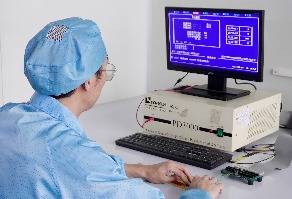
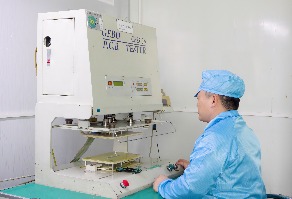
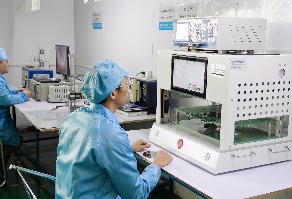
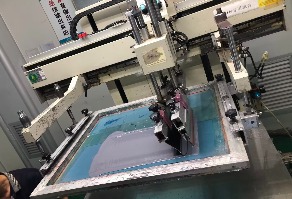
Full-process quality traceability
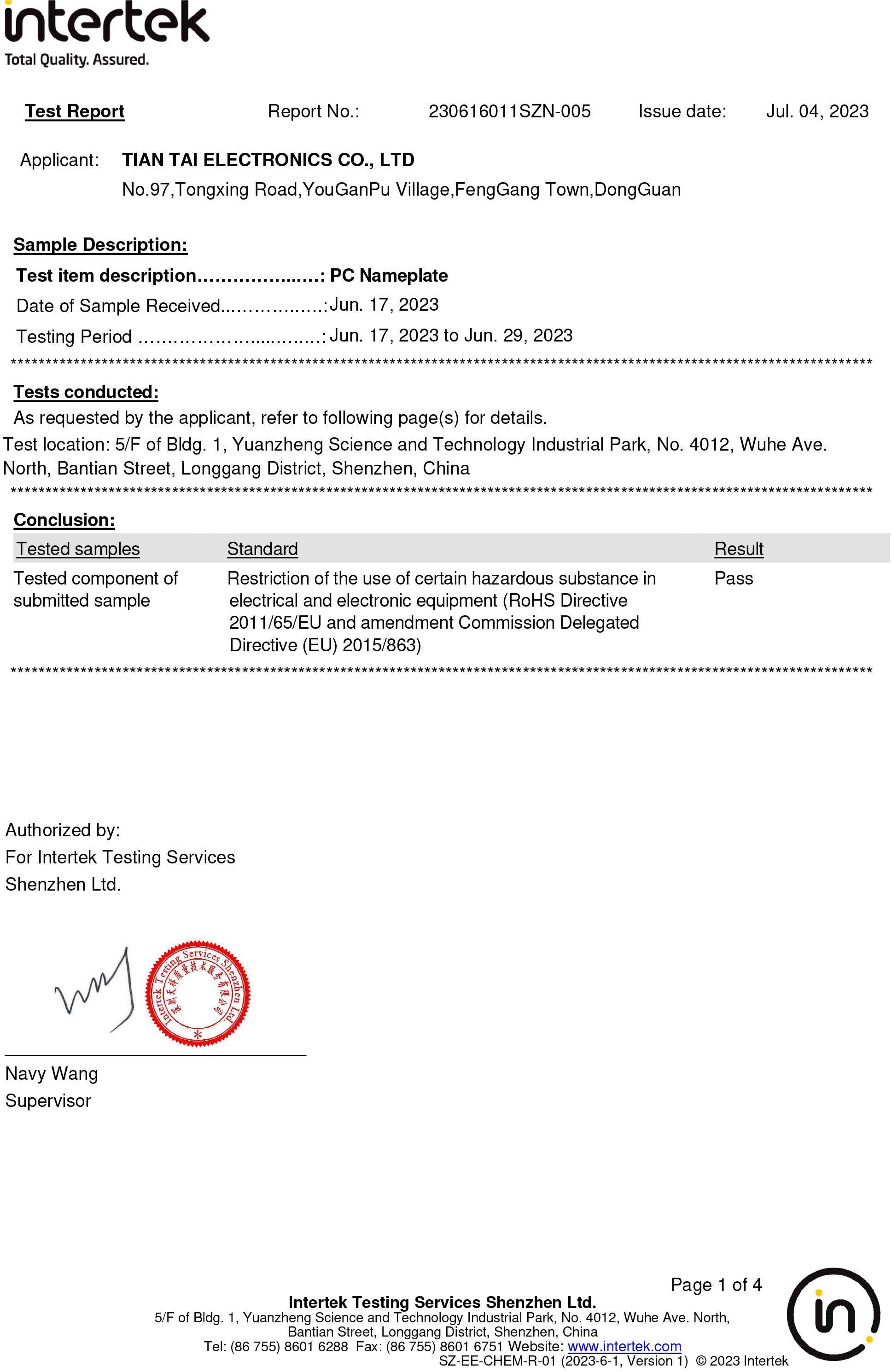
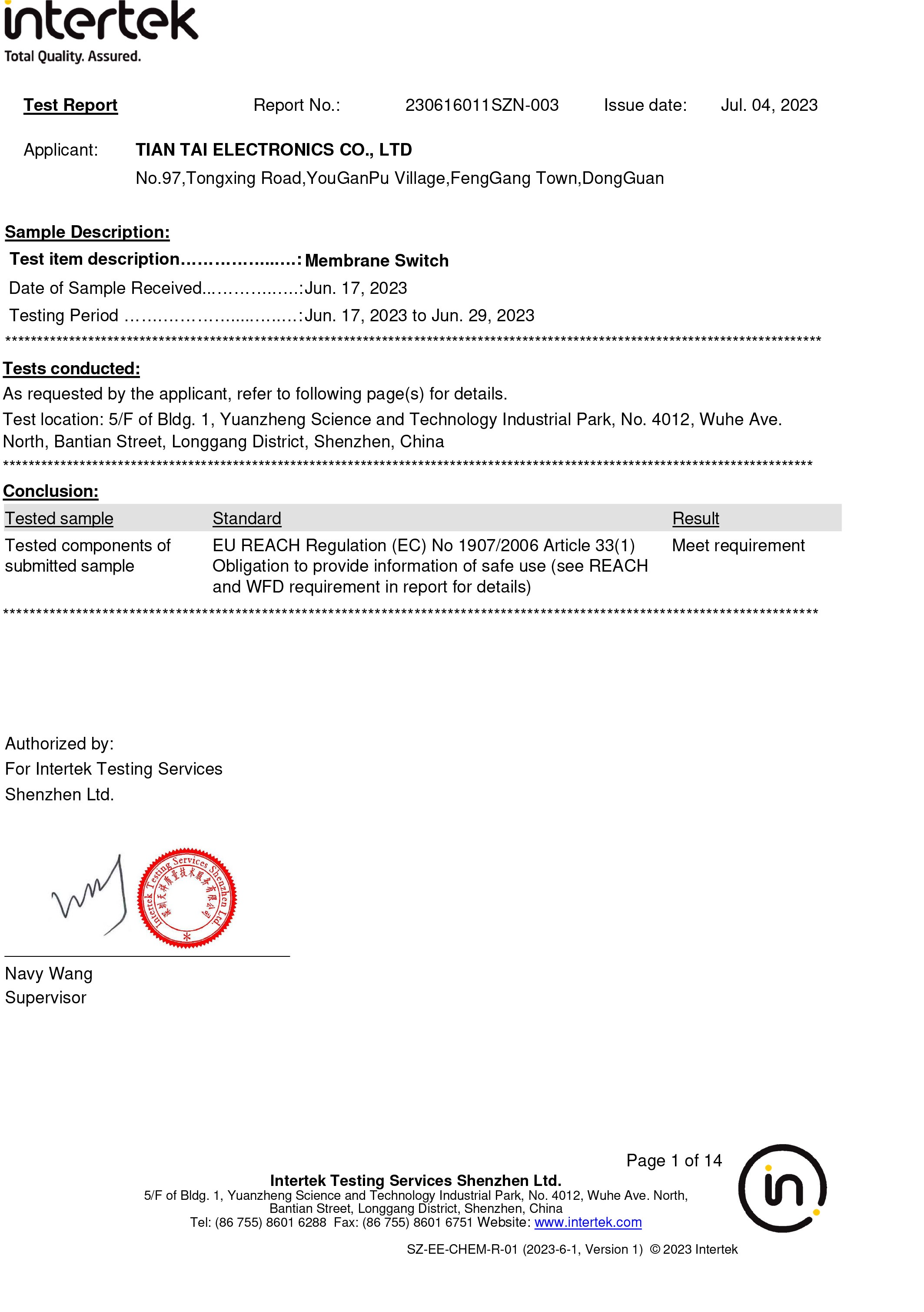
Toxic-free hazardous material clearance
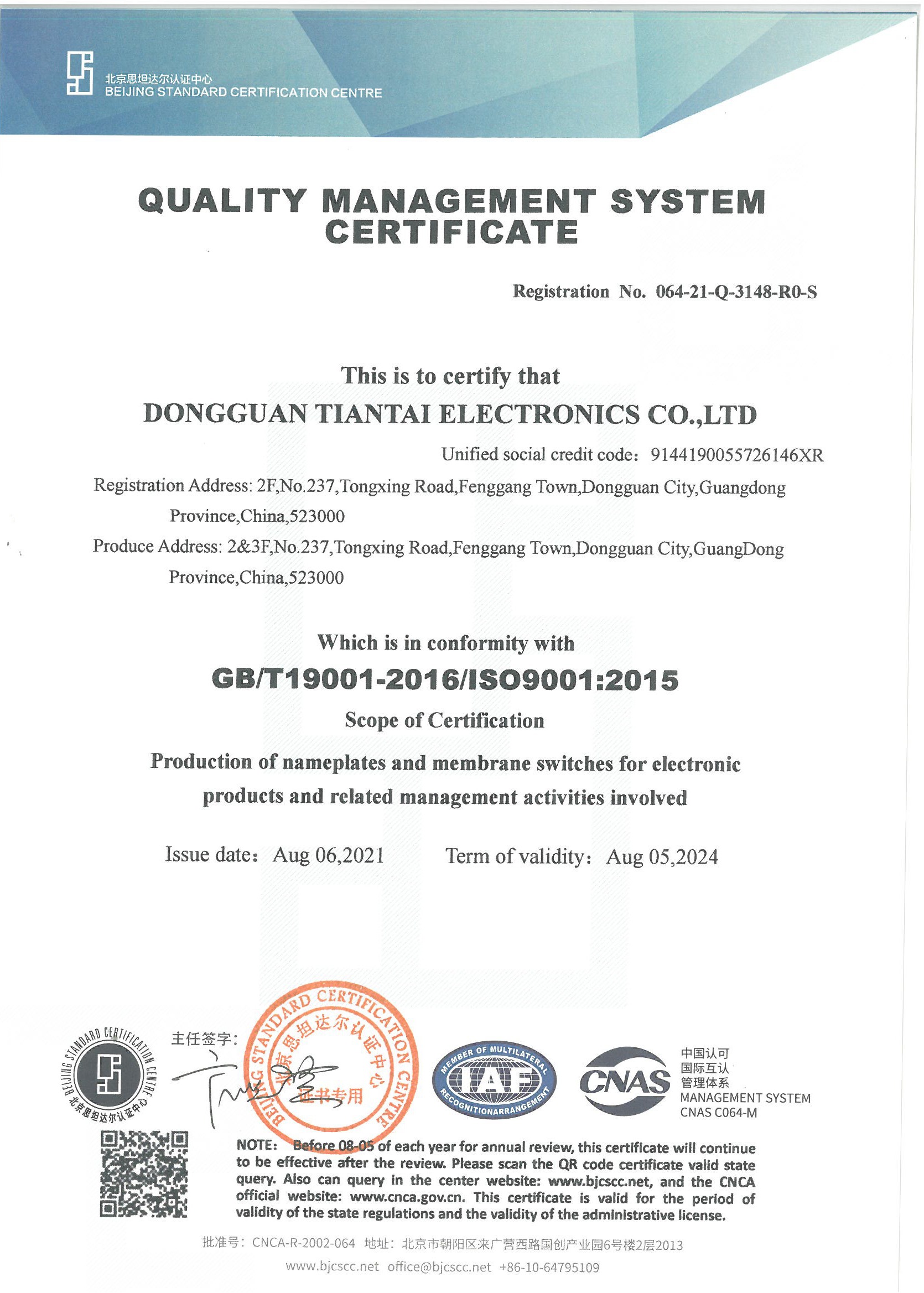
Audited by international test agencies
Authoritative technical answers to resolve key design, tooling, lead-time, and reliability questions before initiating production.
For custom engineering prototypes and functional pilot samples, Ravo supports quantities starting from 1 to 10 pieces using modular prototype tooling inserts. Standard volume production runs typically range from 100 to 500 pieces depending on layer complexity, LGF backlighting requirements, and integrated circuit layers.
We combine high-efficiency side-firing 0603 or 0805 SMD LEDs with micro-lens embossed Light Guide Films (LGF) or light-diffusing silicone formulations. Our optical engineering simulations optimize the spacing and density of micro-refraction dots so that light spreads evenly across the entire key matrix, ensuring lux variance is kept below 15% across all buttons.
Yes. By incorporating continuous molded silicone perimeter sealing ribs, wrap-around bezel bezels, and 3M 200MP/3M 300LSE adhesive gaskets with water-tight sealed tail exits, our keypads regularly achieve certified IP67 and IP68 protection ratings against high-pressure washdowns, medical disinfectant soaks, and accidental submersion.
Following laser ablation, keypads are protected with an optical-grade matte or velvet Polyurethane (PU) spray coating, or high-durability UV-curable silicone clearcoat. For severe medical and military environments, we offer Parylene vapor-deposition coating, allowing the legends to easily withstand 1,000,000+ finger actuations and rigorous alcohol rub tests (ASTM F1578 / ASTM F1597).
To deliver an actionable DFM review within 2 hours, please provide: 1) 2D/3D drawings (CAD, DWG, DXF, STP, or PDF) showing dimensions and button travel; 2) Vector graphic artwork (AI or CorelDraw) with Pantone/RAL color codes; 3) Key actuation force (g) and stroke (mm); 4) Desired backlighting method (LGF, SMD LED, or EL); and 5) Target production volume.
Once CAD artwork and specifications are signed off: Rapid prototype tooling and functional first-article samples ship within 7 to 12 working days. Mass production compression tooling requires approximately 14 to 18 days, with initial production batch deliveries dispatched in 15 to 20 business days thereafter.