 EN
 DE
 FR
 ES
 RU
 JA EN DE FR ES RU JA
Built directly to OEM specifications using proprietary silver conductive pastes, high-stability carbon piezoresistive inks, medical-grade PET substrates, and authentic 3M pressure-sensitive adhesives.
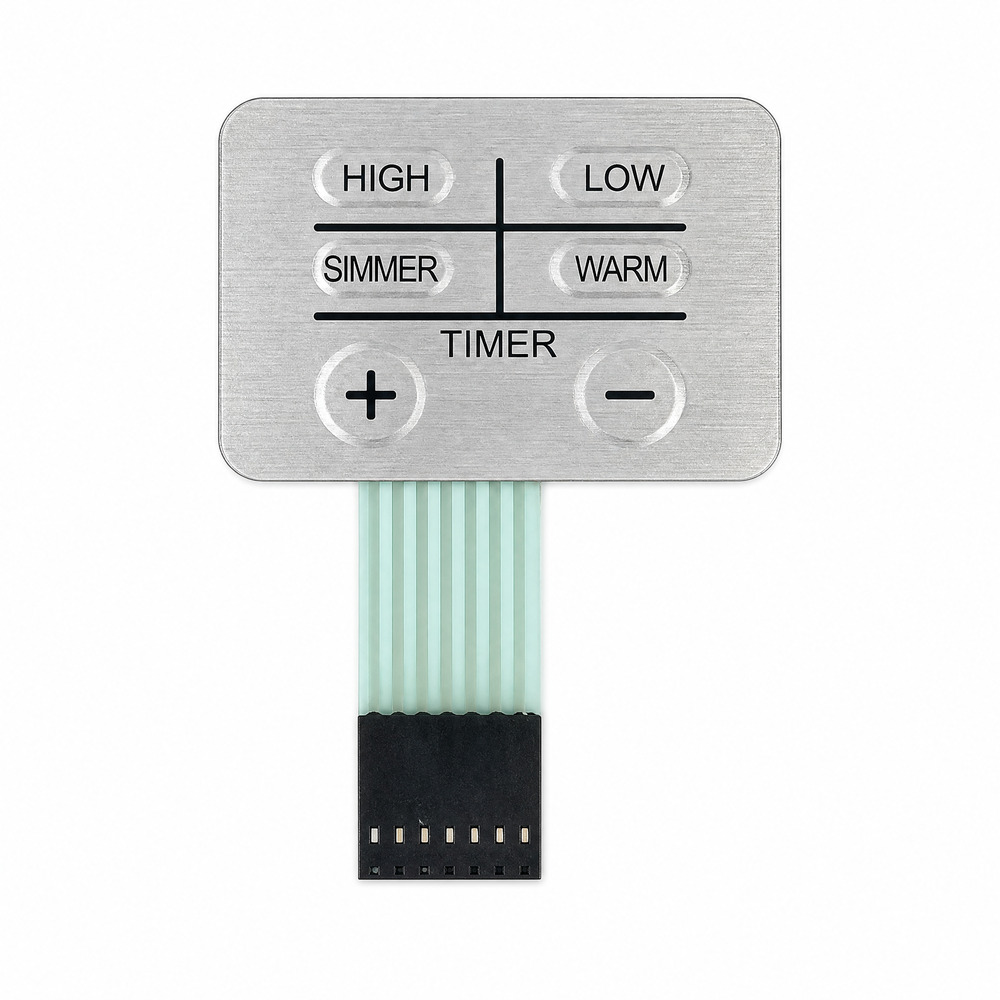
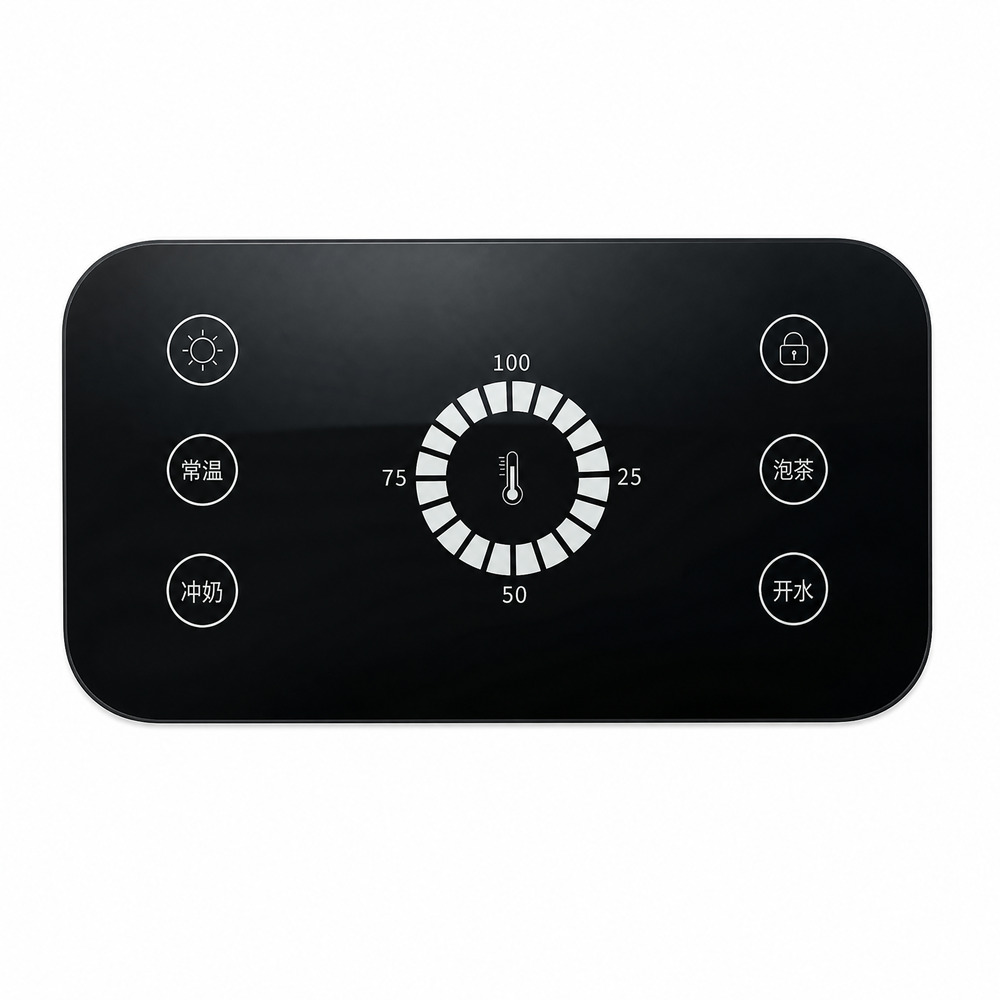
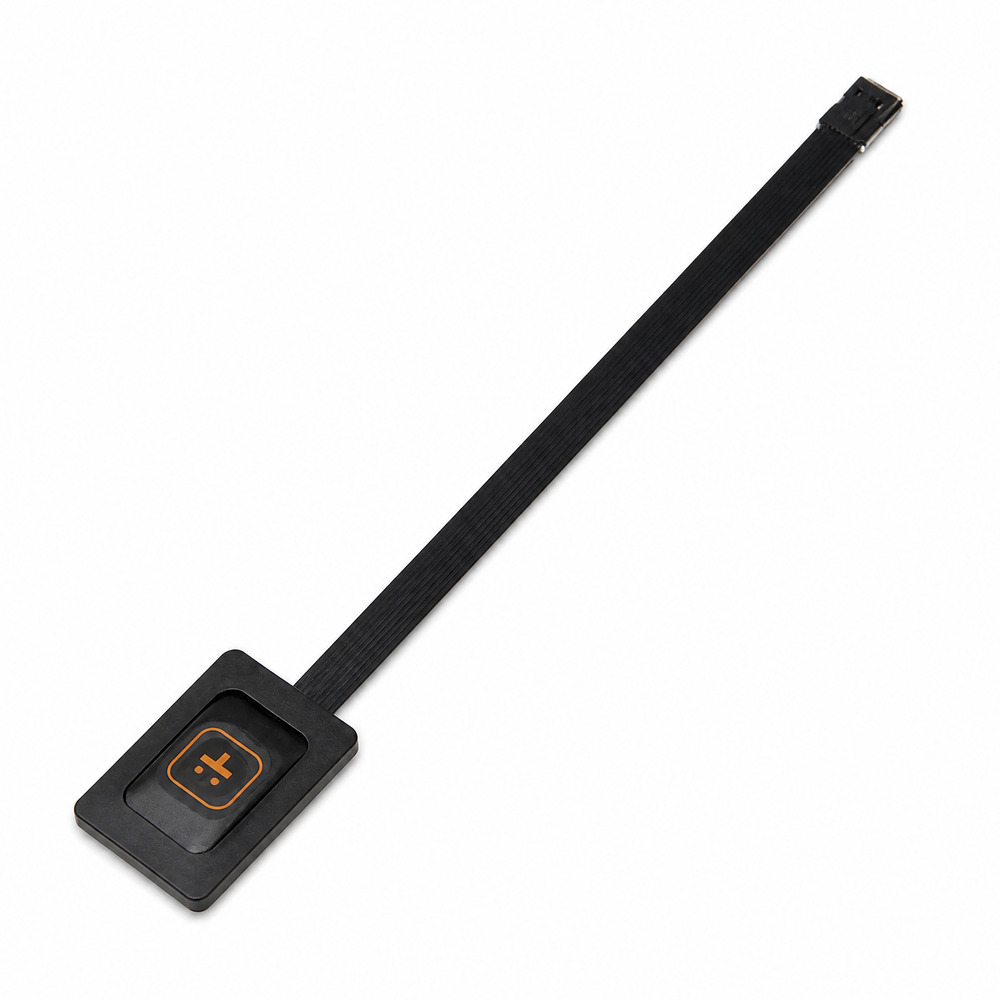
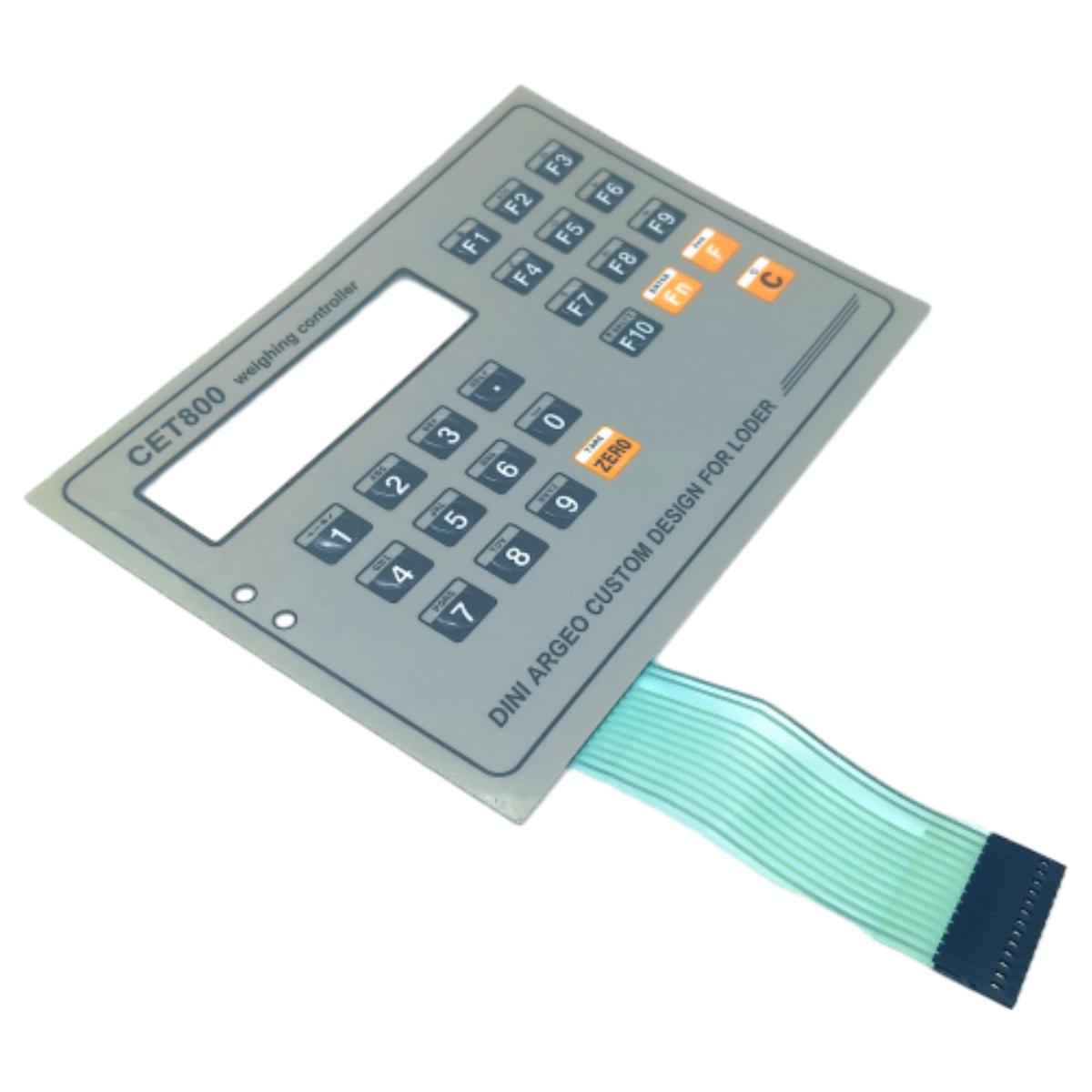
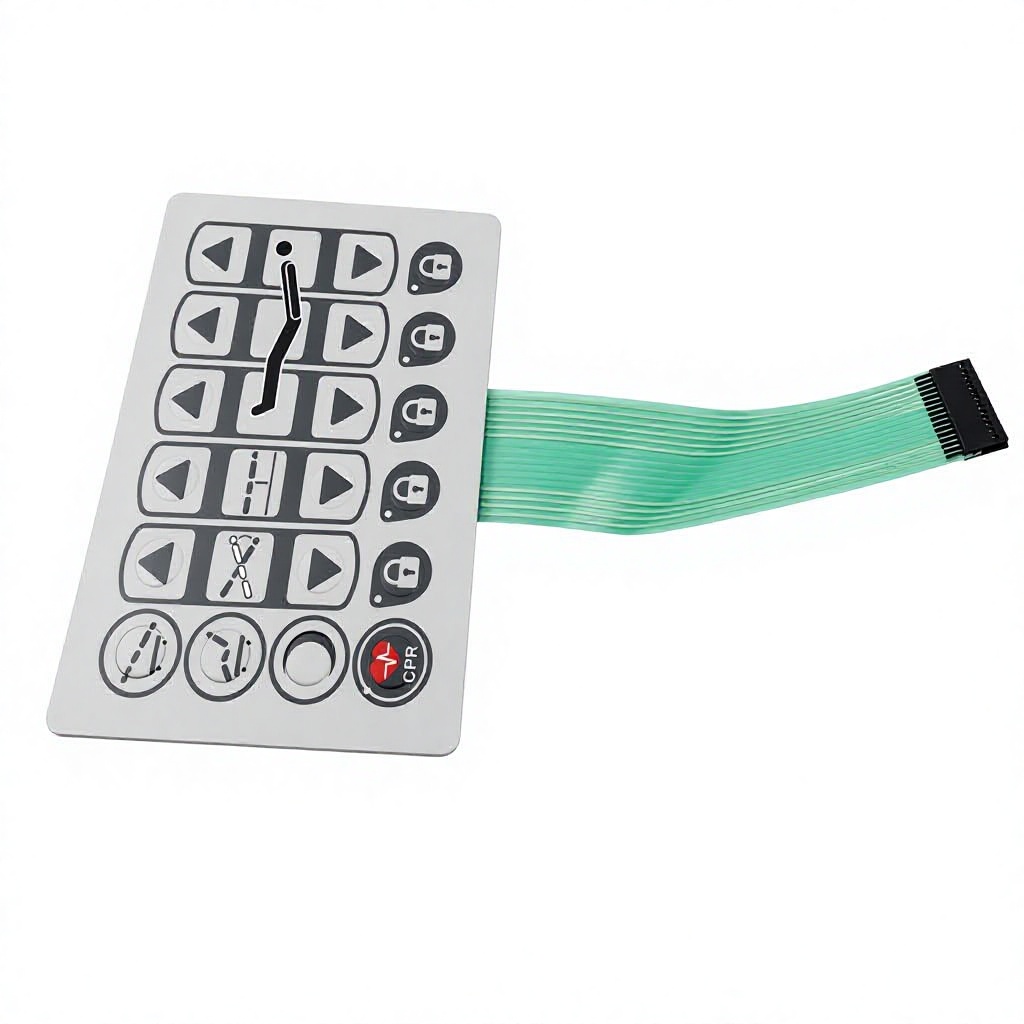

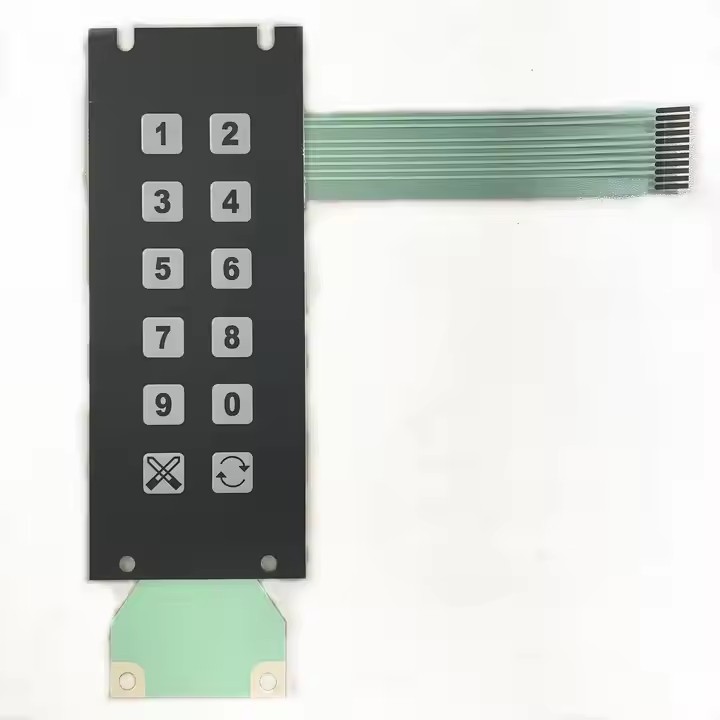
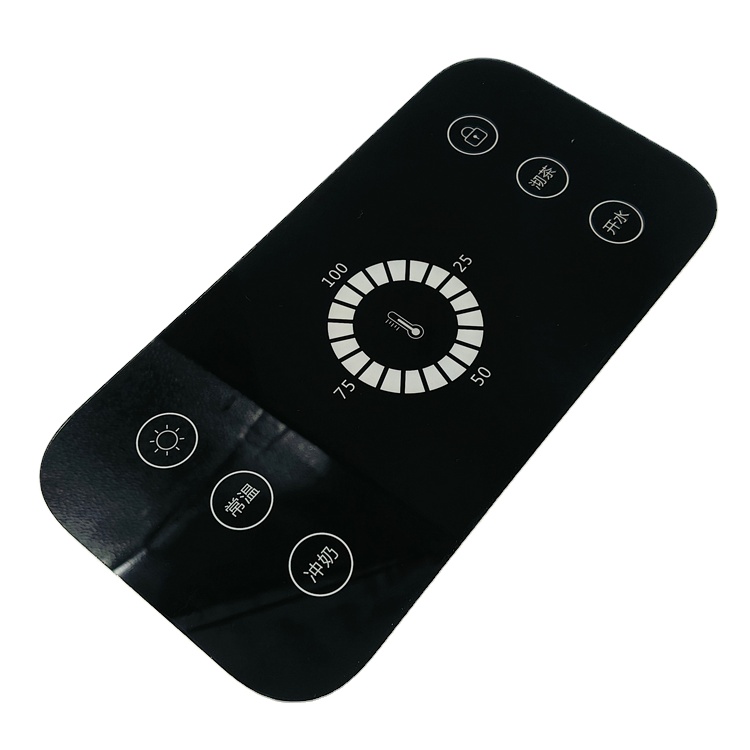
A film force sensor, also universally designated as a Force Sensing Resistor (FSR), is a dynamic polymer thick-film (PTF) electromechanical transducer. Unlike binary snap-action membrane switches that provide discrete ON/OFF contact closure, a film force sensor exhibits an inverse logarithmic decrease in electrical resistance as mechanical force is applied orthogonally to its active surface area.
At Dongguan Ravo Electronics Co., Ltd., our engineering process regulates every micrometric dimension of the multi-layer stack-up. The construction consists of a specialized graphic foil or protective elastomeric top sheet, an interdigitated electrode array precision-printed with micro-particle conductive silver ink, an engineered spacer layer engineered with laser-ablated cavity apertures, and a proprietary semiconductive piezoresistive carbon formulation screen-printed on heat-stabilized polyester (PET) or high-temperature polyimide (Kapton™).
This fundamental operational principle enables engineers to detect micro-vibrations, continuous analog finger pressure, heavy vehicle axle weights, and dynamic medical patient distribution without the bulky profile, mechanical wear, or electromagnetic susceptibility common to strain gauges and load cells.
Strategic sourcing directors and principal systems engineers are navigating three tectonic shifts in flexible electronics: miniaturization, IoT integration, and hybrid tactile feedback.
Procurement teams are shifting away from discrete single-point contact sensors toward multi-point matrix sensing arrays. These configurations—featuring row-and-column addressable FSR grids—are now standard requirements for surgical patient monitoring mattresses, smart orthotic shoe insoles, and automotive smart seating occupancy detection (SBR) compliant with ECE R16 regulations.
Modern human-machine interfaces (HMIs) increasingly discard legacy mechanical push-buttons in favor of seamless, flat, hermetically sealed consoles that combine capacitive proximity detection with variable force threshold activation. By pairing film force sensors with linear resonant actuators (LRA), engineers prevent phantom touches while delivering unmistakable tactile confirmation.
Supply chains in aerospace, marine, and commercial kitchen equipment demand wide thermal operating envelopes (-40°C to +105°C) with dynamic load hysteresis held strictly under 5%. Traditional carbon inks are being superseded by nano-composite carbon nanotube (CNT) and graphene-doped piezoresistive formulations to eliminate static load drift under continuous compression.
Comprehensive electromechanical reference parameters utilized by Dongguan Ravo Electronics Co., Ltd. application engineers during pre-production Design for Manufacturability (DFM) reviews.
| Architecture Type | Actuation Force Range | Hysteresis / Drift | Substrate & Trace Metallurgy | Rated Operating Life | Optimal Industrial Application |
|---|---|---|---|---|---|
| Shunt-Mode Single Point FSR | 0.1 N to 20 N (10g to 2kg) | < 6.5% after 100k cycles | PET (0.125mm) / Screen-Printed Silver Paste | > 5,000,000 actuations | Consumer electronics, smart tools, musical instruments |
| Thru-Mode Matrix Array | 0.5 N to 100 N (50g to 10kg) | < 4.8% low creep | Kapton® Polyimide / Ag + Carbon Nano-Composite | > 10,000,000 actuations | Hospital bed occupancy, gait analysis, robotic grippers |
| Tactile Dome + Force Hybrid | 1.8 N to 5.0 N click snap | Instantaneous snap threshold | PET / Stainless Steel Dome / Double-sided Ag | > 1,000,000 clicks | Industrial control remotes, marine navigation consoles |
| Flexible Printed Circuit (FPC) | 0.05 N to 50 N variable | < 3.2% ultra-low drift | Rolled Annealed Copper Foil on Polyimide (PI) | > 20,000,000 actuations | Automotive steering wheel controls, wearable biosensors |
| Rigid FR4 Backer Membrane | Custom Calibrated | Rigid base zero-flexing | 1.6mm FR-4 Glass Epoxy / Gold Immersion ENIG | > 3,000,000 actuations | Heavy industrial CNC equipment, frequency inverters |
Headquartered in Fenggang Town, Dongguan, Guangdong, Dongguan Ravo Electronics Co., Ltd. controls the complete production lifecycle from CAD film separation to 100% automated electrical continuity testing.
Laser cutting, steel-rule die fabrication, and high-precision silkscreen stretch frames manufactured under one roof. Engineering design iterations turn into tested prototypes in as few as 3 to 5 business days.
Our dedicated team of bilingual mechanical and chemical engineers reviews your Gerber, DXF, or AI files immediately, checking trace clearances, tail exit bend radii, and vent chamber sealing before cutting metal.
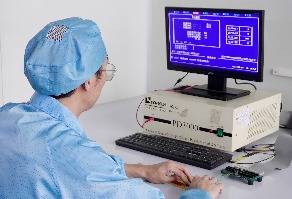
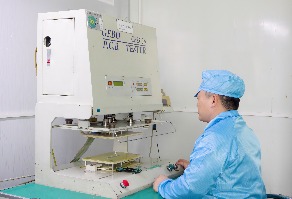
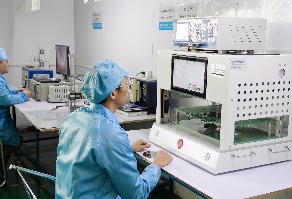
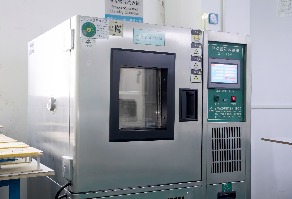
Every single finished membrane panel and force sensor undergoes automated pin-to-pin loop resistance testing, short-circuit insulation resistance verification (>50 MΩ at 100V DC), and tactile actuation force profiling.
Static-shielded ESD moisture barrier packaging, desiccants, reinforced double-wall corrugated cartons, and custom tail stiffeners guarantee that parts arrive flat, uncontaminated, and ready for automated SMT line assembly.
When supplying Tier-1 medical device manufacturers, automotive sub-system integrators, and industrial robotics firms in Germany, the United States, Japan, and the United Kingdom, documentation integrity is paramount.
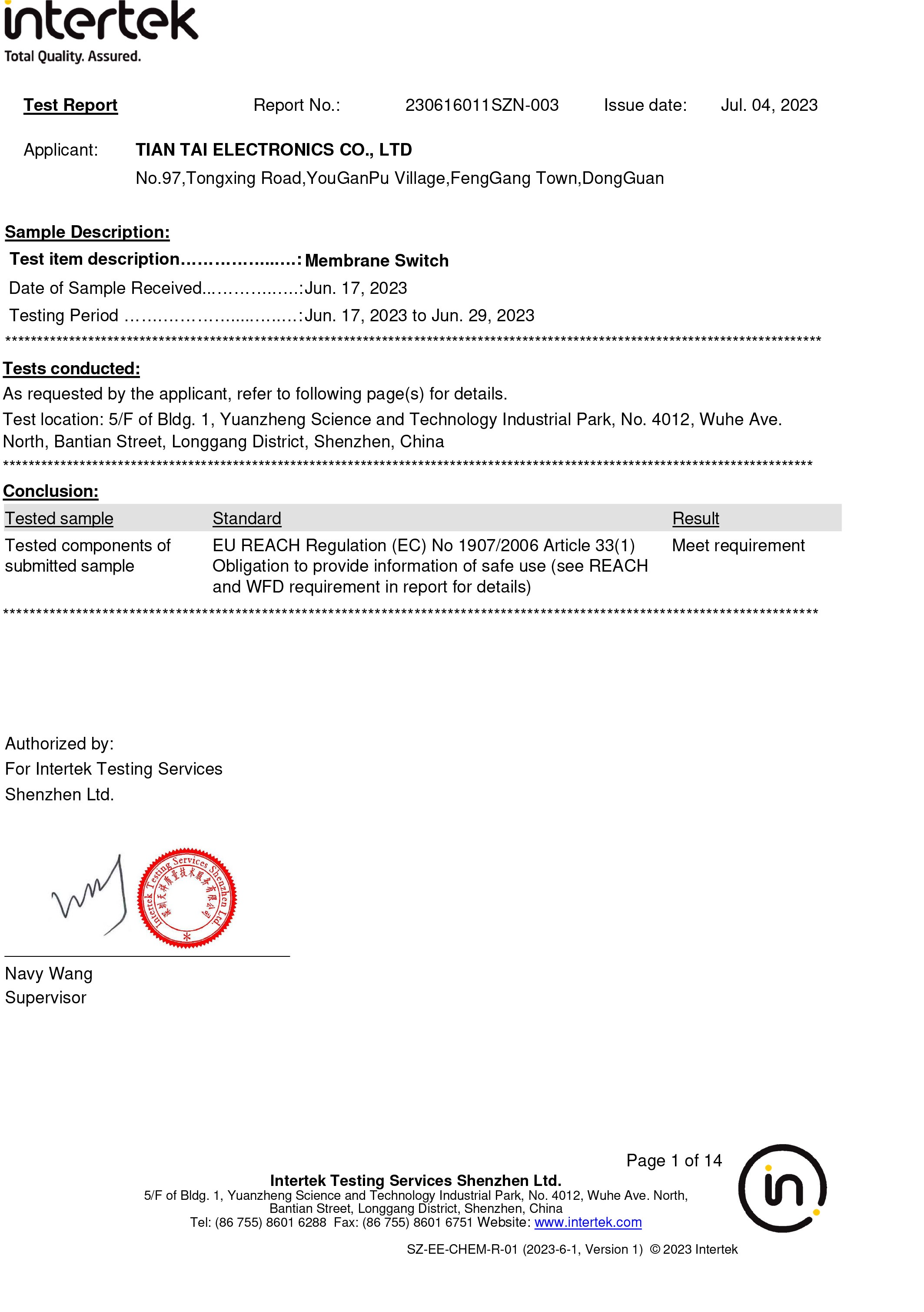
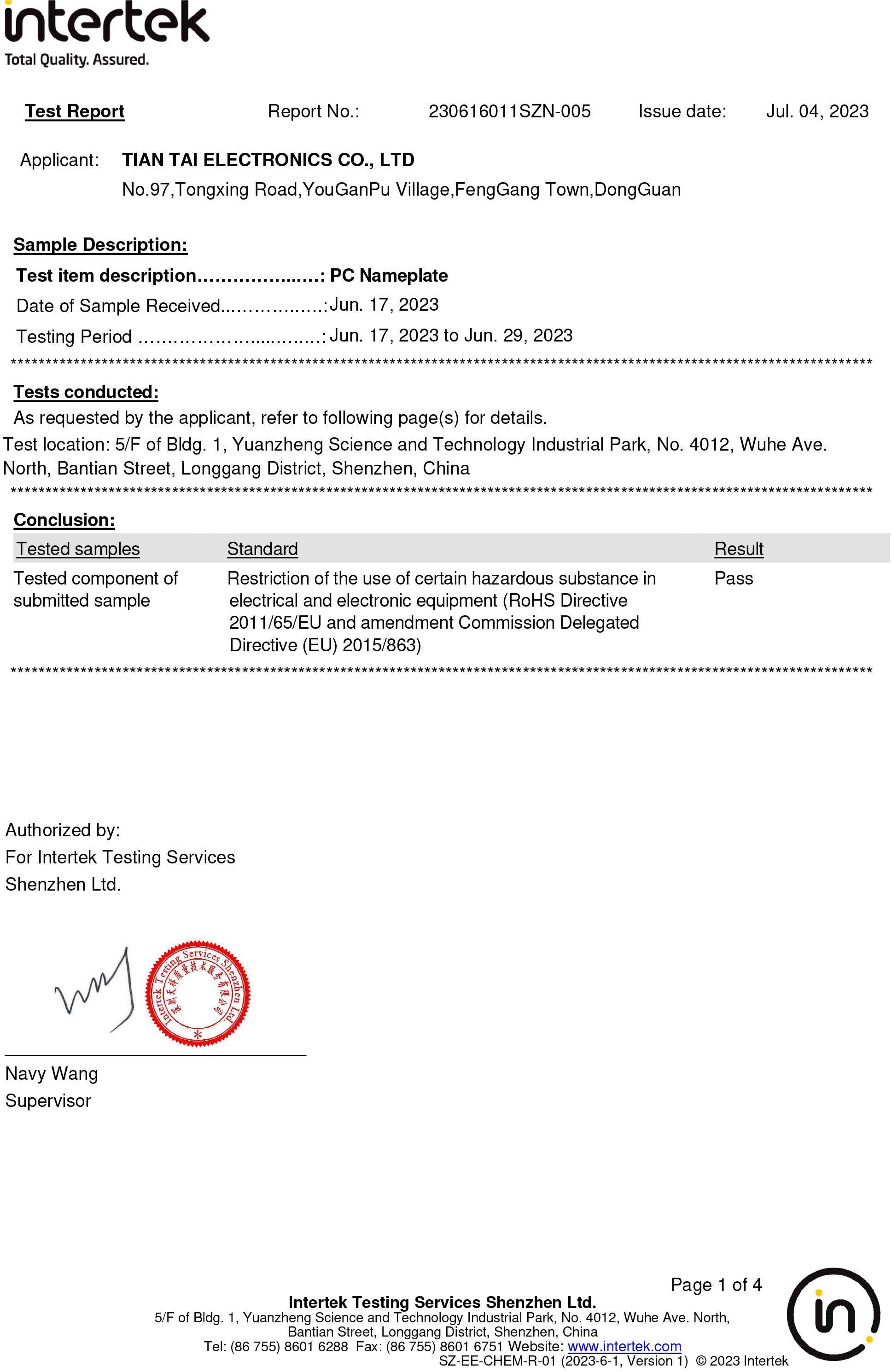
Dongguan Ravo Electronics Co., Ltd. maintains active ISO 9001:2015 certification for its quality management systems. All film materials (Autotype MacDermid, Toray), conductive silver formulations, carbon pastes, and acrylic adhesives (3M 467MP, 468MP, 9448A) comply strictly with European Union RoHS Directive (EU) 2015/863 and REACH Regulation (EC) No 1907/2006. Full material safety data sheets (MSDS) and certificate of conformance (CoC) reports are cataloged by raw batch number for complete five-year traceability.
In-depth technical answers addressing electromechanical calibration, waterproofing, connector terminations, and batch manufacturing tolerances.
We customize the sensitivity curve to match your firmware requirements. Our standard single-point and matrix force sensors operate from micro-force thresholds of 10 grams (0.1 N) up to heavy dynamic loads exceeding 50 kilograms (500 N). We tailor sensitivity by varying carbon ink chemistry, dielectric spacer thickness (from 0.025 mm to 0.15 mm), and screen mesh dot diameter.
Hysteresis (the difference in resistance curve between loading and unloading) is controlled under 5% by utilizing high-elasticity, biaxially-oriented heat-stabilized polyester (PET) or polyimide, combined with cross-linked polymer binders in our piezoresistive carbon inks. For static load monitoring, our engineers provide reference drift-compensation algorithms for integration into host microcontroller ADCs.
Yes. By employing closed-loop adhesive perimeters (such as 3M 467MP or 200MP acrylic adhesives) and hermetically potted tail transitions, our sensors achieve IP65, IP67, and IP68 waterproof ratings. For applications exposed to hospital sterilization or petrochemicals, we use chemical-grade polyester (Autotype Autotex) or fluoropolymer top films.
We supply three primary termination methods: 1) Standard 2.54 mm (0.100") or 1.27 mm (0.050") pitch crimped female female contacts housed in DuPont / Nicomatic housings; 2) Bare tail traces with local polyimide stiffeners designed for direct insertion into Zero Insertion Force (ZIF) PCB sockets; and 3) Flexible Printed Circuit (FPC) copper tails with gold-plated solderable pads.
To support pilot engineering validation and university research teams, our rapid prototyping MOQ starts from just 1 to 10 pieces, typically shipping within 7 to 10 working days upon 2D/3D drawing sign-off. High-volume serial production starts at 500 pieces, with production capacity easily accommodating monthly runs exceeding 200,000 units.
Yes. We engineer hybrid assemblies combining low-profile surface-mount (SMD) bi-color LEDs, light guide films (LGF), stainless steel snap domes (providing a tactile snap force from 200g to 500g), and analog force-sensing zones on a single, consolidated multi-conductor flex tail. This eliminates multiple cable harnesses and speeds final product assembly.
Graphic overlays are reverse-screen-printed on optical-grade polycarbonate or textured PET to protect legends from abrasion. We match Pantone Formula Guide and RAL color standards using spectrophotometric analysis under standard D65 illuminant conditions, guaranteeing color consistency (ΔE < 1.0) across multi-year reorder batches.
Please provide vector artwork files (Adobe Illustrator .AI, .EPS, or .PDF) for graphic overlays and CAD engineering drawings (.DXF, .DWG, or Gerber RS-274X) for circuit and spacer geometries. Specify expected actuation force, operating temperature limits, connector model, mounting substrate material, and target annual procurement volumes.
Submit your mechanical drawings, functional schematics, or prototype specifications. Our Dongguan engineering team will deliver a comprehensive DFM review, stack-up proposal, and itemized quotation within 2 business hours.
