 EN
 DE
 FR
 ES
 RU
 JA
2003
Established in Dongguan
12,000 m²
ISO-Certified Facility
≤ 2 Hours
Engineering DFM Response
100%
Batch Electrical Testing
Industrial & Medical Grade Pressure Sensing Technology
As functional electronics scale toward micro-thin profiles and seamless industrial surfaces, global original equipment manufacturers (OEMs) demand pressure sensing mats and membrane interfaces that provide dependable tactile actuation, zero drift, and unyielding resistance against environmental stress. Dongguan Ravo Electronics Co., Ltd. applies over two decades of screen-printing precision, polymer engineering, and structural lamination expertise to produce CE-certified pressure sensing solutions tailored to rigorous compliance frameworks.
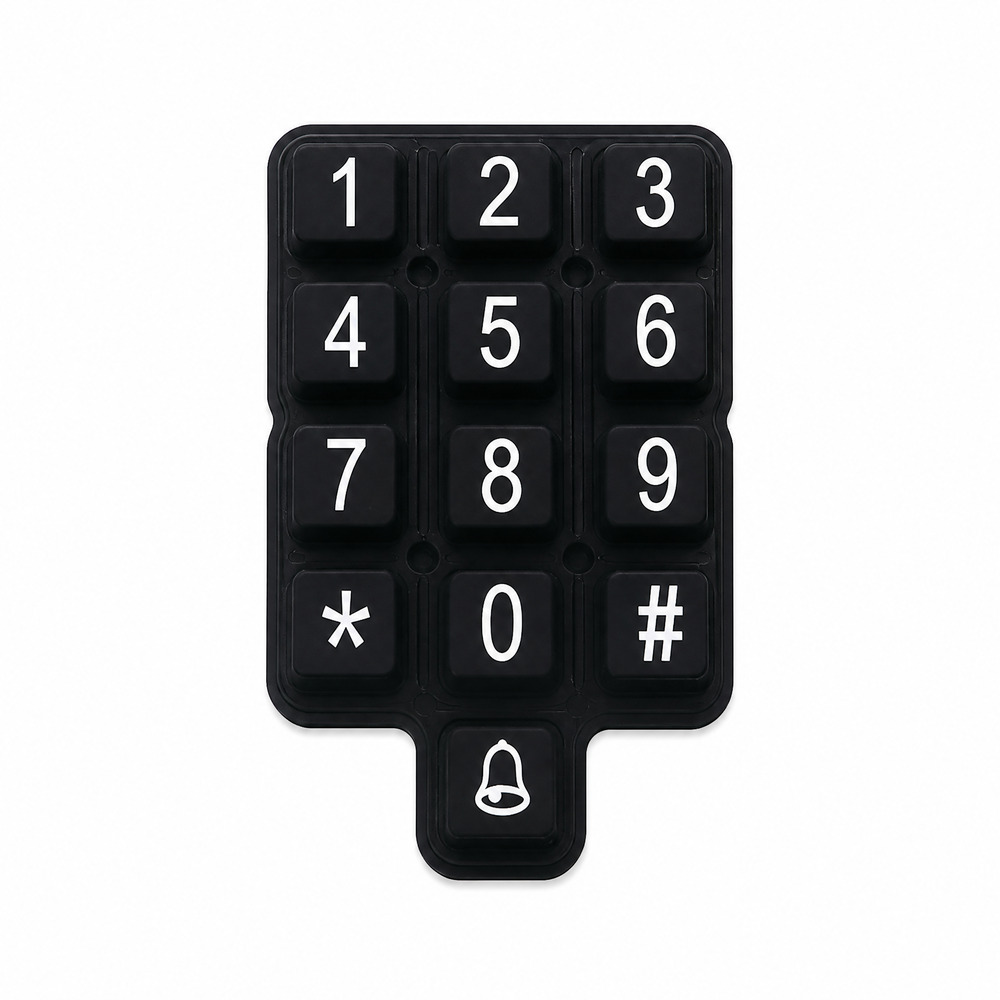
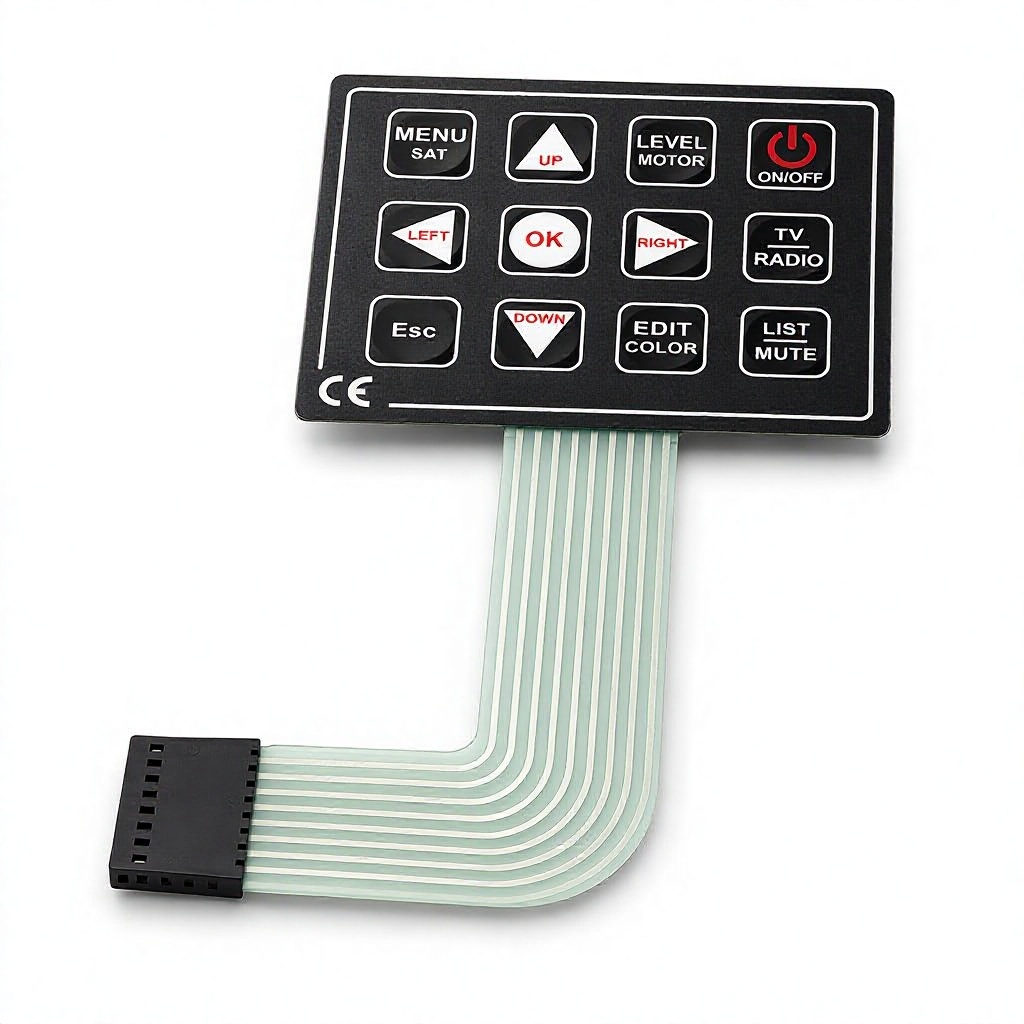
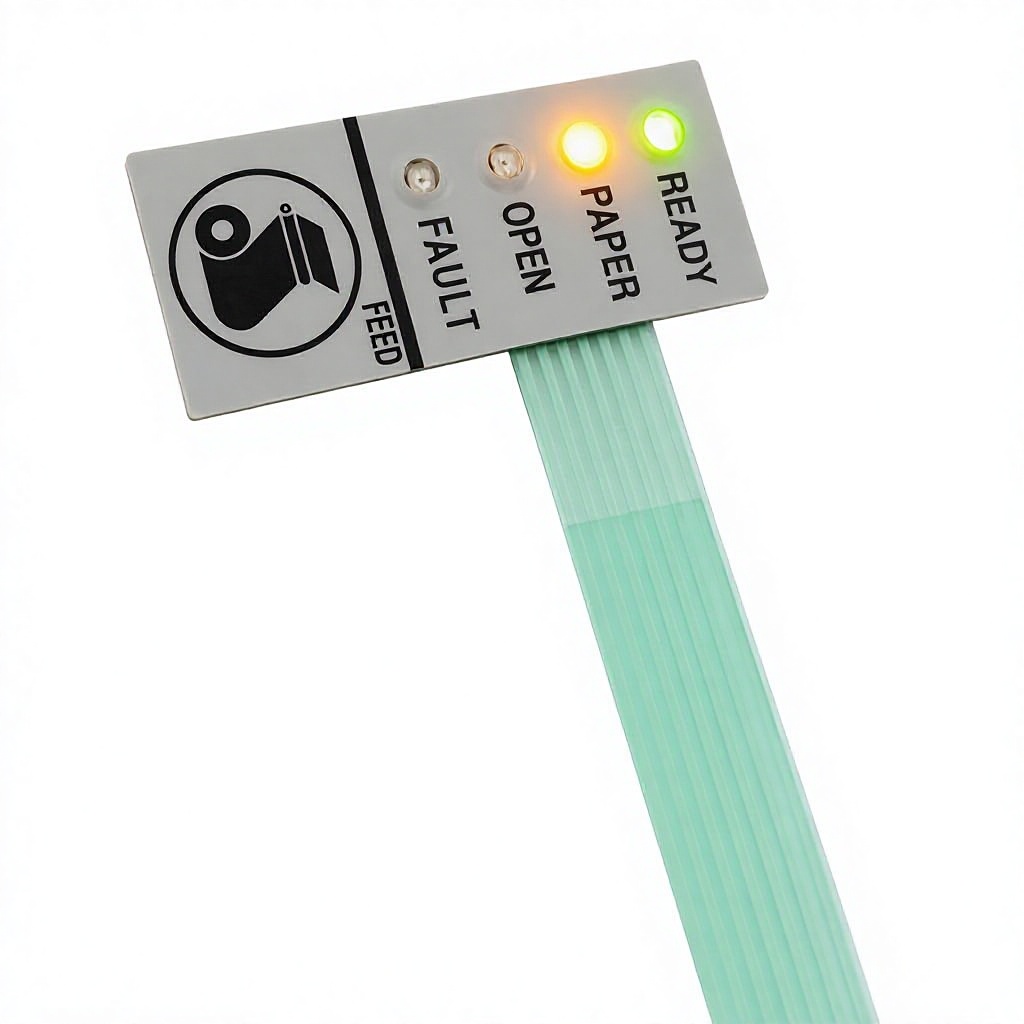
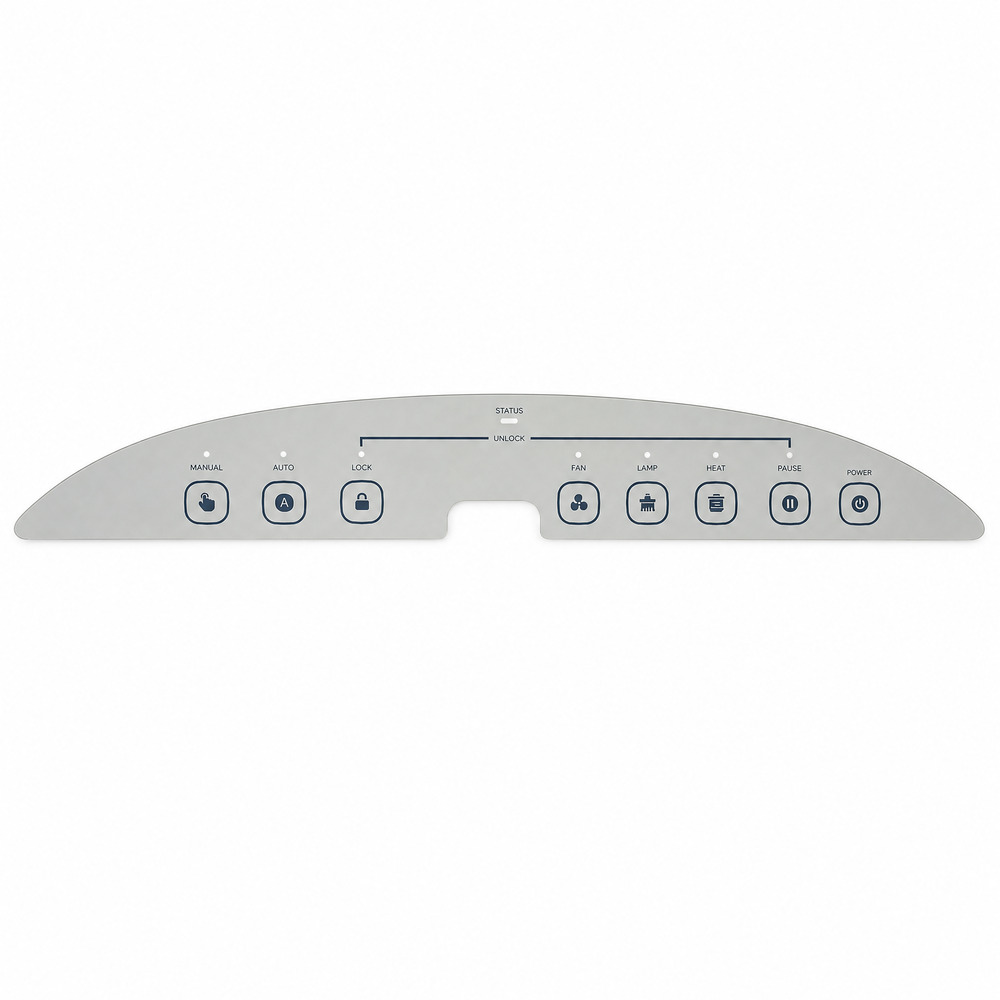
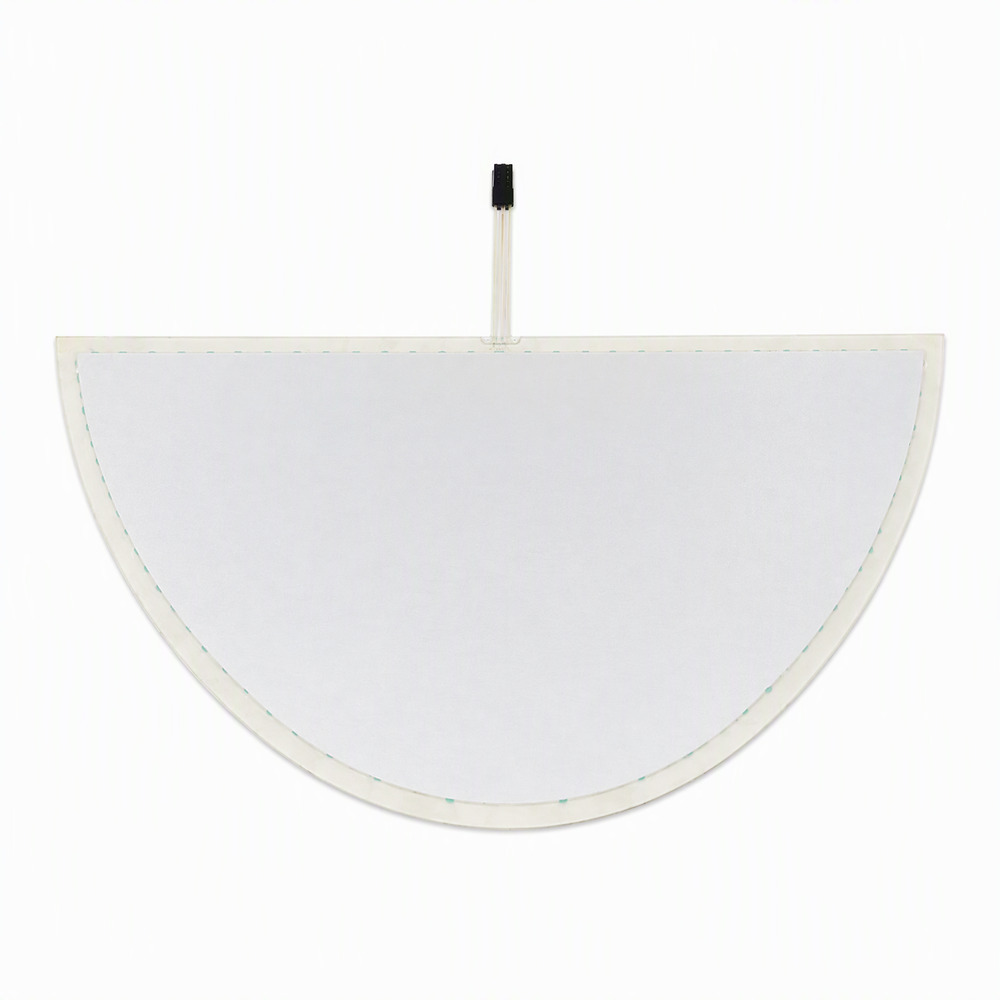
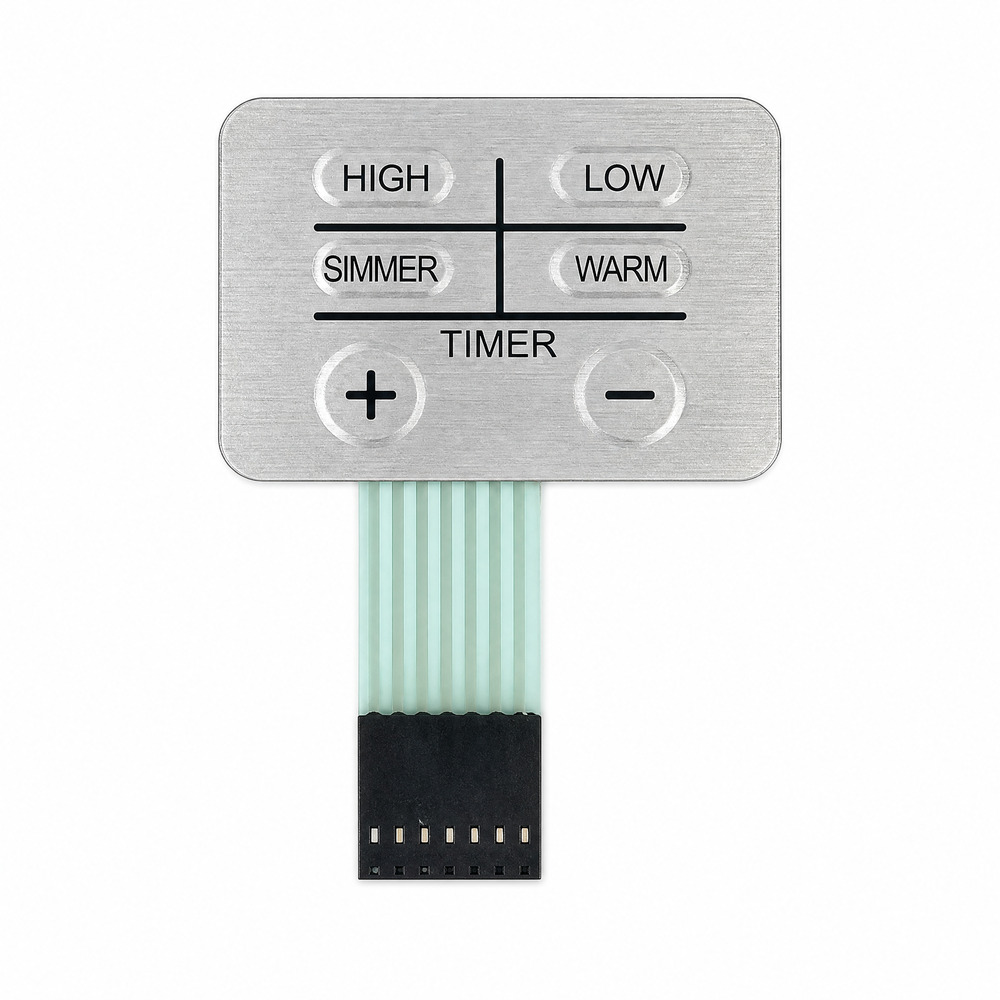
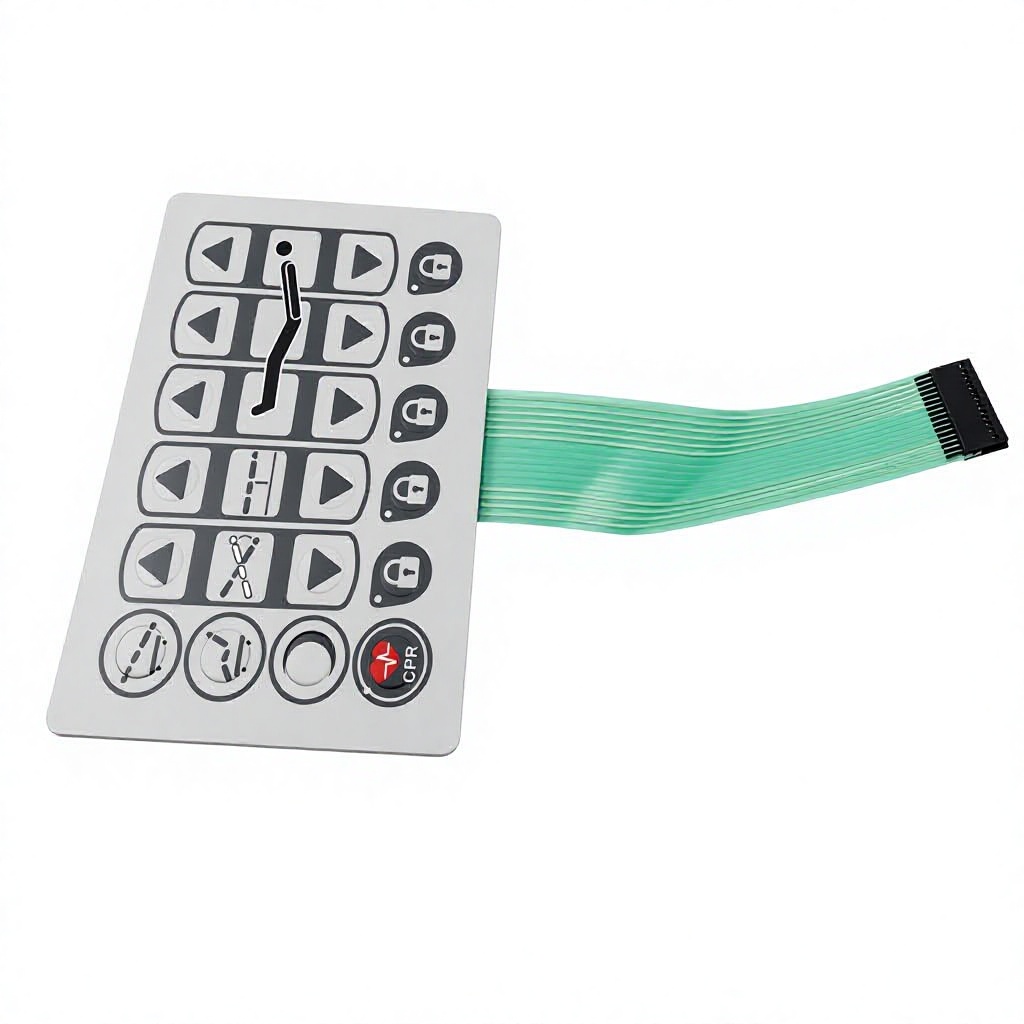
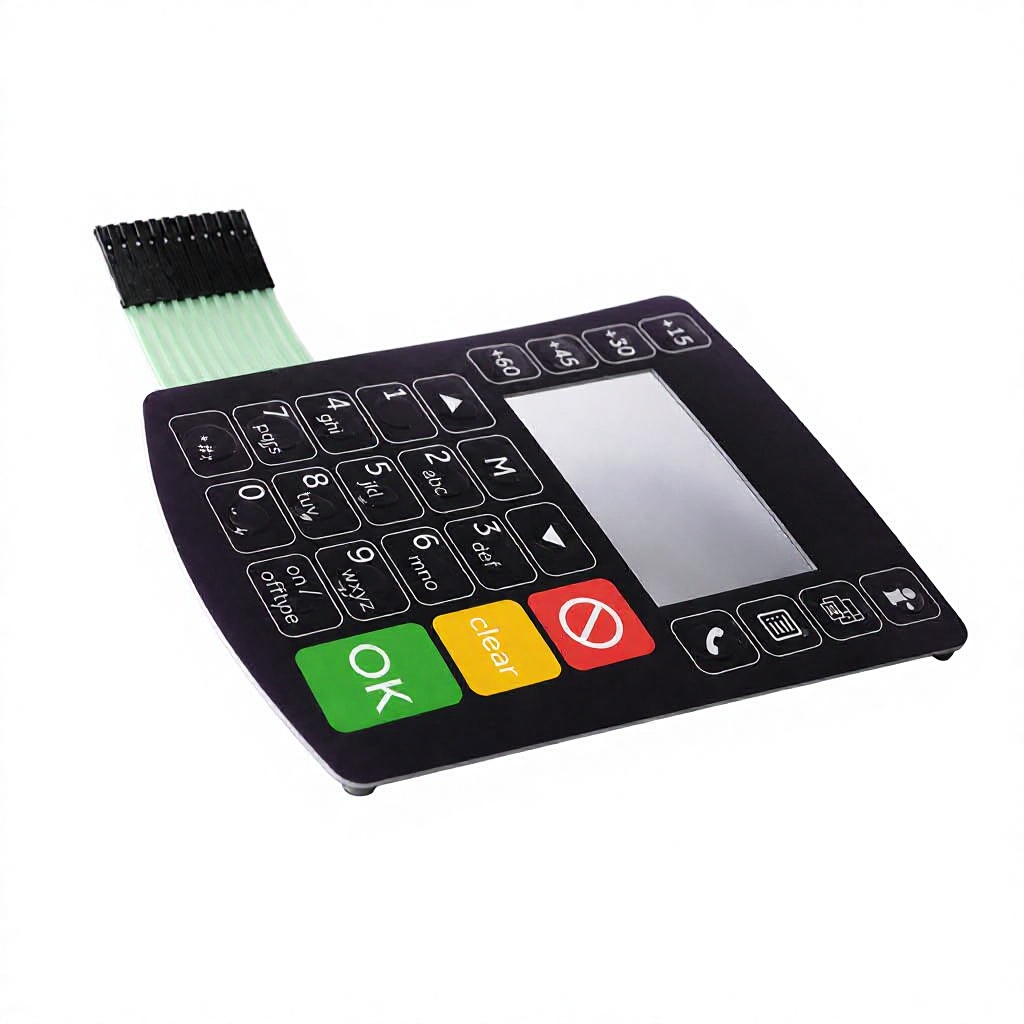
Featured Pressure-Sensing & Tactile Interface Assemblies
Explore our custom product line of Force-Sensing Resistor (FSR) circuits, tactile matrix switches, and waterproof control panels engineered for high-cycle industrial automation, medical robotics, and appliance ergonomics.
Future Procurement & Technological Trends in Pressure Sensing Mats
Understanding where human-machine sensing technologies are moving allows tier-1 procurement directors and systems engineers to de-risk component lifecycles, eliminate field failures, and build resilient architectures.
Shift from Single Point to Dense FSR Matrices
Traditional discrete electromechanical contacts are rapidly yielding ground to multiplexed Force-Sensing Resistor (FSR) arrays. Medical posture analytics, industrial safety zones, and ergonomic automotive occupancy sensing increasingly rely on dynamic load mapping rather than binary on/off detection. Our proprietary formulation of conductive silver pastes interleaved with semi-conductive piezoresistive carbon inks enables high-density matrix configurations with linearity errors below ±3% over continuous dynamic loads.
Rigid Standards Harmonization (CE & MDR)
Global regulatory bodies require comprehensive traceability across all raw sub-components. Under the EU Medical Device Regulation (MDR) and Low Voltage Directive (LVD 2014/35/EU), our pressure sensing mats undergo stringent assessments for dielectric breakdown, flammability rating (UL94 V-0/VTM-2), and mechanical endurance. Procuring from an ISO-controlled supply chain ensures your finished systems pass CE, RoHS, and REACH verification without customs redesign roadblocks.
Polyimide & Hybrid Flexible Hybrids
Where legacy devices utilized bulky mechanical switches, modern medical beds and surgical suites utilize flexible copper FPC traces merged into PET membrane stacks. This allows high component density—including surface-mounted thermistors, micro-controllers, and active status indicators—directly within the pressure sensing mat laminate. The result is lower wire harness harness weight, superior signal-to-noise ratios (SNR), and zero profile interference for patient comfort.
Engineering Matrix: Pressure Sensing Construction Comparison
Match mechanical loads, environment resistance, and signal handling to your application requirements.
| Technology Platform | Actuation Force Range | Substrate Material | Typical Cycle Life | Primary Industrial Application |
|---|---|---|---|---|
| Piezoresistive FSR Thick Film | 0.1 N to 50 N continuous | Stabilized Optical PET / PI | > 10,000,000 touches | Patient bed occupancy, dynamic gait sensing, smart logistics |
| Tactile Metal Dome Matrix | 160g to 500g snap action | Silver Ink PET / FR4 PCB | > 1,000,000 actuations | Operating room controllers, heavy equipment panels |
| Capacitive Pressure Hybrid | Proximity to light touch (<0.5 N) | Polyester / Polycarbonate | > 5,000,000 cycles | Hygienic sterile interfaces, home appliances, cleanroom consoles |
| Thermoformed Polydome Mat | 200g to 350g soft click | Heat-stabilized PET | > 1,500,000 actuations | Consumer handheld controllers, industrial remote terminals |
Dongguan Ravo Electronics: Complete In-House Manufacturing Strength
Since 2003, Dongguan Ravo Electronics Co., Ltd. has grown from an eight-person specialty workshop into an internationally audited 12,000 m² high-precision production ecosystem in Fenggang Town, Dongguan, China.
Vertically Integrated Tooling & Cleanroom Production
Unlike trading intermediaries who outsource circuit printing and die cutting to fragmented vendors, Ravo maintains unified ownership of the design-to-assembly process. Screen-making, CNC steel rule die tooling, laser routing, cleanroom screen printing, UV curing, automated SMT component placement, and hot-press lamination occur under one roof. This internal synergy directly translates into an agile average engineering response time of ≤ 2 hours, offering design-for-manufacturability (DFM) guidance that slashes weeks off pre-production schedules.
We maintain comprehensive inventory access to world-recognized dielectric films and high-tack acrylic adhesives, including 3M 467MP, 3M 468MP, and 3M 9448A. Whether mounting onto powder-coated die-cast aluminum or low-surface-energy (LSE) molded ABS housings, our lamination engineers select the precise adhesive stack to eliminate delamination over years of industrial vibration and thermal cycling.
Quality Assurance & Metrology Validation
Every custom pressure sensing mat and membrane assembly leaving our plant undergoes an uncompromising quality verification protocol. Incoming raw polyester films (such as Autotype and Toray) are inspected for surface tension, uniform thickness, and shrinkage resistance. Printed conductive traces undergo four-point probe resistance tracking to verify silver ink cure geometry and prevent resistive micro-voids.
Our dedicated metrology lab conducts 100% automated electrical continuity testing, isolation breakdown resistance tests (>100MΩ at 100V DC), key travel actuation curves via digital force gauges, and rigorous environmental stress tests (temperature and humidity aging chambers). By holding our factory floor to certified ISO 9001 quality workflows and RoHS/REACH material regulations, we protect our export partners across North America, Germany, Japan, and the UK from latent field failures.
Procurement FAQ: Sourcing CE Certified Pressure Sensing Mats
Authoritative guidance for supply chain managers, design engineers, and industrial sourcing professionals.
What certifications and material compliance standards do your pressure sensing mats hold?
All our pressure sensing mats and membrane interfaces are manufactured in an ISO 9001 certified facility and are fully aligned with the CE marking directives (including Electromagnetic Compatibility Directive 2014/30/EU and RoHS Directive 2011/65/EU as amended by 2015/863/EU). Inks, substrates, adhesives, and connector housings strictly adhere to SVHC-free REACH lists.
How do you manage minimum order quantities (MOQ) for prototypes versus volume export?
To support tier-1 R&D phases, prototyping runs can start from as few as 1 to 10 pieces with laser-cut digital tooling, avoiding costly steel tool lead times. For recurring series production, typical economic batch quantities range from 100 to 500 units, scaling seamlessly to 50,000+ units monthly with automated roll-to-roll and sheet feeding.
Can pressure sensing mats be designed for continuous ingress protection (IP67/IP68)?
Yes. Using engineered perimeter adhesive gaskets, waterproof breather vents (to equalize internal air pressure without moisture intake), and customized silicone outer skirts, our mats achieve robust IP65 to IP67 sealing. These are widely used in hospital decontamination zones and food processing machinery requiring aggressive washdowns.
What documentation is supplied to international buyers during shipment?
Every export lot includes a Certificate of Conformance (CoC), material lot inspection sheets, First Article Inspection (FAI) reports, dimensional verification logs, and custom-compliant commercial invoices with harmonized system (HS) classification. Third-party testing reports from SGS/TUV are provided on demand.
What design inputs are required to receive a full DFM and commercial proposal?
You can provide vector drawings in DXF, DWG, STEP, or vector PDF format, specifying key layout, circuit pinout, activation pressure limits, connector pitch (such as standard 2.54mm or high-density ZIF), graphic artwork (in CMYK or Pantone colors), and mechanical mounting enclosures. Our engineers evaluate traces and layer stackups within 2 hours.
How are high-density tail exits protected against strain and flex fatigue?
We reinforce the flexible tail area using UV-cured potting resin, epoxy teardrop junctions, or laminated polyimide (PI) stiffeners at the transition between the active mat and the connector. This prevents conductor micro-cracking and detachment under repeated bending in dynamic mechanical installations.
Accelerate Your Custom Sensor Development
Partner with an on-site verified, direct manufacturer. Leverage 20+ years of membrane switch and pressure sensor expertise with prototype turnaround times starting in 7 business days.
