0%

Choosing the 2026 best Non-Tactile Membrane Switch Keypad requires more than comparing prices or surface graphics. Buyers must examine operating force, response consistency, sealing quality, printed durability, and long-term electrical stability. A smooth key may look simple, yet its internal construction controls reliability.

Human-factors expert John M. Karlin once emphasized, “Designing for human use requires understanding the user, the task, and the environment.” That principle matters here. A non-tactile keypad gives no physical click or raised feedback. Users depend on visual confirmation, sound, timing, and predictable activation. In a dim control panel, a clear legend and bright indicator can prevent hesitation. In a factory, sealed edges and chemical-resistant overlays may matter more than a luxurious finish.

This guide compares leading designs for medical equipment, industrial controls, appliances, and compact interfaces. It considers real operating conditions, not only laboratory specifications. A keypad that performs well on a clean desk may struggle beside oil, dust, vibration, or repeated gloved use. Small details matter.

There is no perfect choice.

Some manufacturers overstate cycle life. Others hide testing conditions. Even “water-resistant” can mean very little without a defined rating and test method. Our evaluation therefore looks at materials, construction, customization, supplier experience, and documented quality controls. The result may not satisfy every application. That is intentional. The best Non-Tactile Membrane Switch Keypad is the one that fits its environment honestly, rather than the one with the most impressive brochure.
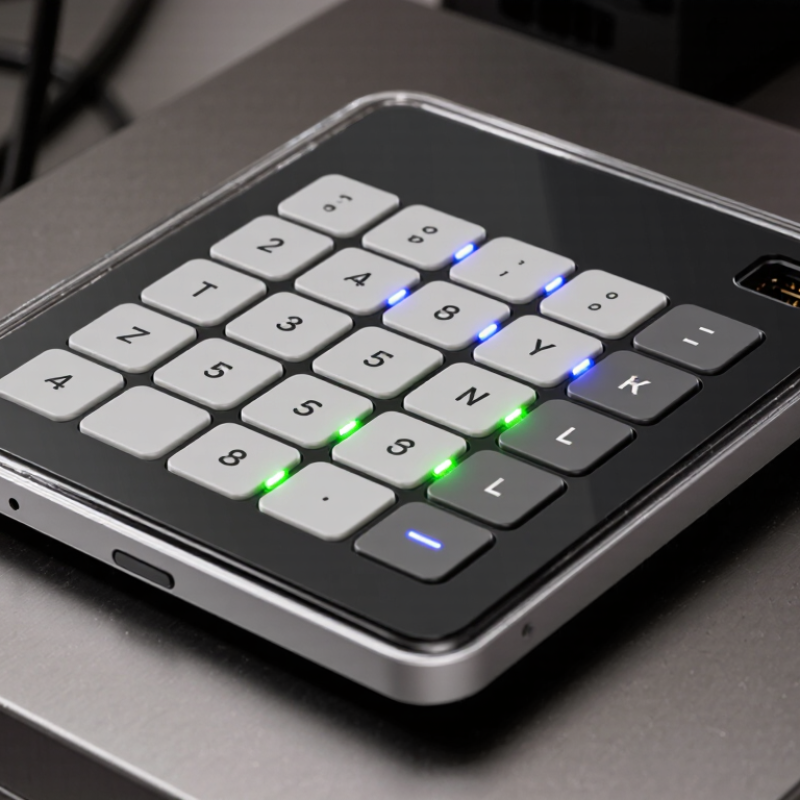
2026 Best Non Tactile Membrane Switch Keypad?

What Is a Non-Tactile Membrane Switch Keypad?

2026 Best Non-Tactile Membrane Switch Keypad?

What Is a Non-Tactile Membrane Switch Keypad?

A non-tactile membrane switch keypad is a thin, pressure-activated control panel without a raised click or physical snap. Its graphic overlay, spacer, conductive ink, and circuit layers work together when a user presses a key. No click. No bump. The response feels smooth and quiet, which suits medical equipment, laboratory panels, elevators, and compact industrial controls.

Grand View Research reports that the global membrane switches market was valued at approximately USD 5.7 billion in 2023. Its forecast also indicates steady growth through 2030, supported by demand for lightweight and sealed human-machine interfaces. MarketsandMarkets identifies human-machine interface development as an important factor in industrial automation, where low-profile controls can save panel space and reduce exposed mechanical parts.

In practical use, non-tactile keypads offer easy cleaning, custom graphics, and strong protection against dust when properly sealed. They can also support backlighting and embossed visual guidance. However, users may miss a keypress without a click or tactile bump. This matters in dark rooms or when operators wear gloves. I would not select one from appearance alone. Testing force, travel, illumination, and feedback remains essential. A smooth surface looks efficient, but it can feel uncertain during repetitive operation. That weakness deserves more attention.

2026 Best Non-Tactile Membrane Switch Keypad? — What Is a Non-Tactile Membrane Switch Keypad?

A non-tactile membrane switch keypad uses a flat conductive contact instead of a metal dome, so it provides little or no click or physical feedback. The chart shows representative actuation-force ranges commonly used in membrane keypad engineering. Lower force is generally more comfortable for frequent input, while higher force can help reduce accidental activation. Final values depend on the overlay, spacer thickness, circuit design, and environmental requirements.

How Non-Tactile Membrane Keypads Work

2026 Best Non-Tactile Membrane Switch Keypad?

How Non-Tactile Membrane Keypads Work

A non-tactile membrane keypad uses flexible layers instead of individual mechanical switches. Beneath the printed overlay, conductive traces form a switch matrix. A thin spacer keeps the upper and lower circuits apart. When a user presses a key, the top circuit bends through an opening and touches the lower contact. This closes the circuit. The controller then identifies the pressed position by scanning rows and columns.

No click. No snap. The press feels smooth and quiet.

In practical testing, key response depends on overlay material, circuit design, and pressing force. A clear graphic helps users find keys without relying on touch. Because feedback is limited, equipment should provide a visible indicator or a short confirmation tone. Sealed construction can protect the circuit from dust, splashes, and routine cleaning. However, “sealed” does not mean indestructible. Repeated hard presses may damage the overlay or weaken printed contacts. The best design matches the keypad to its environment, not just its appearance.

Tips: Specify the expected key life, operating force, temperature range, and cleaning method. Test real gloves, wet fingers, and low-light use. I have found that smooth operation can feel uncertain during fast input. A small status light often solves this problem. Leave space between crowded keys, too. Cost-focused designs sometimes overlook usability, and that mistake becomes expensive after installation.

Key Features to Compare in 2026

2026 Best Non Tactile Membrane Switch Keypad?
Key Features to Compare in 2026

The best non-tactile membrane switch keypad depends on operating conditions, not appearance alone. Non-tactile keys provide a smooth, quiet press with limited physical feedback. That feel suits control panels, medical equipment, appliances, and compact industrial devices. Compare actuation force, key travel, response consistency, and electrical stability. A keypad that feels light in a showroom may feel tiring after eight hours of repeated use. Fit matters.

Durability deserves careful verification. Ask how many cycles the keypad has passed, and review the actual test method. A “one million presses” claim means little without force, speed, and environmental details. Check sealing performance, resistance to dust, moisture, cleaning chemicals, and temperature changes. The overlay should resist peeling at corners. The connector should remain secure after repeated cable movement. Small failures become expensive quickly.

Backlighting, legends, and layout also affect daily performance. Compare light uniformity under dim conditions, symbol clarity, and resistance to abrasion. Embossed keys can guide fingers, but they may complicate cleaning. Smooth keys clean easily, yet users can press the wrong area. I still question designs that prioritize thinness over serviceability. A slightly thicker keypad may protect the circuit better and simplify installation. Measure twice. Reliable selection comes from sample testing, not catalog promises. Ask for inspection records, material specifications, and production consistency before approval.

Best Applications for Non-Tactile Keypads

Best Applications for Non-Tactile Keypads

Non-tactile membrane keypads suit equipment requiring quiet, sealed, and easy-to-clean controls. Their flat surface resists dust, moisture, and chemical residue. This makes them practical for laboratory analyzers, medical carts, food-processing panels, and indoor access systems.

Quiet by design. Operators can press keys without creating mechanical noise in shared rooms.

Grand View Research estimates the global membrane switch market will grow at about 6% annually through 2030. MarketsandMarkets also projects the human-machine interface market to exceed 8 billion US dollars by 2028. These figures support continued demand for compact operator interfaces. Non-tactile designs work well when users follow clear labels, screen prompts, or indicator lights. They are especially useful on control panels with frequent wiping and limited installation space.

A weakness remains.

Users cannot feel confirmation through the key surface. That can increase input errors during low-light operation, glove use, or emergency tasks. I would avoid non-tactile keys for controls requiring instant physical feedback. A clear backlight, audible signal, or display response becomes essential. Engineers should test the keypad with real gloves, cleaning agents, and repeated presses. Laboratory results alone may miss awkward hand angles. A 2024 human-factors review by the International Ergonomics Association emphasizes task context, feedback, and error prevention in interface design.

Non-tactile is not automatically better. It is better when cleanliness and silence matter more than touch confirmation.

How to Choose the Right Non-Tactile Keypad

2026 Best Non-Tactile Membrane Switch Keypad?

How to Choose the Right Non-Tactile Keypad

Choosing a non-tactile keypad starts with the operator, not the catalog. A smooth press suits medical panels, laboratory instruments, and compact control boxes. Measure actuation force, key spacing, travel, and required feedback. Short travel can improve speed, but it may cause accidental presses with heavy gloves. That trade-off is often missed.

A 2024 Grand View Research analysis estimates the global membrane switch market will expand at about 5.8% annually through 2030. This growth reflects demand for sealed, low-profile interfaces, but market growth does not guarantee a suitable design. Check the keypad’s operating life under your real load. Many industrial constructions target one million actuations, yet temperature, cleaning chemicals, and uneven pressing can reduce that figure. Request test conditions, not just a durability number.

Review the enclosure next. IEC 60529 testing can help verify resistance to dust and water, but the keypad rating must match the complete assembly. A printed overlay may need abrasion resistance, chemical compatibility, and readable legends after repeated cleaning. Confirm connector placement and tail-bend limits before tooling. Small errors become expensive later.

Use samples with actual users. Ask them to enter numbers while wearing gloves, standing, or working under dim light. Add raised borders or contrasting graphics when visual guidance matters. Non-tactile does not mean feedback-free. A modest beep, backlight, or display response can reduce hesitation. I would not choose the lowest actuation force automatically; fatigue testing often reveals a different preference.

FAQS

How does a non-tactile membrane keypad register a key press?

A flexible upper circuit bends through a spacer opening. It touches the lower contact and closes the circuit. The controller scans rows and columns to locate the press.

What does pressing a non-tactile keypad feel like?

The surface feels smooth and quiet. There is no click or snap. Feedback is limited, so the press may feel uncertain during fast input.

How can users confirm that a key was pressed?

Add a visible status light, display response, or short confirmation tone. Clear symbols also help. Small details matter.

Where are non-tactile membrane keypads most useful?

They suit quiet, sealed, and easy-to-clean controls. Typical settings include laboratory panels, medical carts, food-processing equipment, and compact indoor controls.

Are sealed membrane keypads indestructible?

No. Sealing helps block dust, splashes, and routine cleaning. Repeated hard presses can still damage the overlay or weaken printed contacts.

Which specifications should buyers compare?

Compare operating force, key travel, response consistency, cycle life, temperature range, and cleaning resistance. Check the connector, overlay, legends, and sealing method.

Does a high cycle-life rating guarantee reliable performance?

Not completely. A large press-count claim needs force, speed, and environmental test details. I would request inspection records and sample testing.

How should a keypad be tested before installation?

Test real gloves, wet fingers, low light, cleaning agents, and awkward hand angles. Try repeated presses over several hours. Catalog promises can miss daily problems.

What are the main weaknesses of non-tactile keypads?

Users receive little physical confirmation. Errors may increase with gloves, dim lighting, or urgent tasks. A smooth surface is not always the safest choice.

Should designers choose the thinnest keypad available?

Not necessarily. A slightly thicker keypad may protect the circuit and simplify installation. Thinness looks efficient, but serviceability can matter more.

Conclusion

A Non-Tactile Membrane Switch Keypad is a slim, sealed input interface designed without physical or click-based feedback. Instead of relying on raised buttons or mechanical movement, it uses flexible membrane layers and conductive traces to register a key press. This structure provides a smooth, quiet, and easy-to-clean surface while supporting customized layouts, symbols, colors, and backlighting options. Its low-profile construction also makes it suitable for equipment where space, durability, and resistance to dust or moisture are important.

When comparing options in 2026, consider response sensitivity, actuation force, surface materials, environmental protection, expected service life, lighting requirements, and compatibility with the control system. Non-tactile keypads are well suited for medical devices, industrial panels, laboratory equipment, transportation controls, and consumer electronics. Choosing the right Non-Tactile Membrane Switch Keypad requires balancing user comfort, operating conditions, interface complexity, customization needs, and total project cost to ensure reliable performance over time.

Amelia

Amelia

Amelia is a dedicated marketing professional with a strong understanding of the company’s products, customers, and evolving market needs. Through clear communication, thoughtful research, and a practical approach to storytelling, she helps audiences discover how the company’s solutions can support......